Male Libido: Understanding Sexual Desire and Men’s Sexual Health
Having a lower level of sexual desire at one point in life does not automatically mean that something is medically wrong. Sexual interest can vary depending on circumstances, energy levels, mood, relationship dynamics, and many other individual factors.
At the same time, a persistent or noticeable change in libido may be worth paying attention to, particularly when it occurs alongside other changes in health or well-being.
This guide explores the different factors that can influence male libido and explains why sexual desire should be considered as part of a broader approach to men’s health rather than treated as an isolated issue.
What Is Male Libido?
Male libido is commonly used to describe sexual desire, sexual interest, or the motivation to engage in sexual activity.
Libido is not exactly the same thing as sexual performance or erection quality. A man may experience sexual desire while having difficulty with an erection, while another man may have normal erectile function but experience little interest in sex.
This distinction is important because different sexual concerns can have different contributing factors.
Understanding whether the primary concern is desire, arousal, erection quality, ejaculation, or another aspect of sexual health can make it easier to identify the most appropriate next step.
Libido and Erection Quality Are Not the Same Thing
One of the most common misunderstandings about men’s sexual health is treating libido and erection quality as if they were identical.
Libido relates primarily to sexual desire, while an erection is a physical response that involves communication between the brain, nervous system, blood vessels, and erectile tissue.
This means a man can want to have sex but experience difficulty getting or maintaining an erection.
Likewise, someone can have the physical ability to achieve an erection while experiencing reduced sexual interest.
If your main concern is erection quality rather than sexual desire, visit our sexual performance guide for information about the broader factors involved.
What Can Affect Male Libido?
Sexual desire is influenced by multiple systems and circumstances rather than one single factor.
Physical health, emotional well-being, sleep, stress, relationship circumstances, medications, hormones, and lifestyle habits can all be relevant.
Sometimes several factors overlap. For example, someone experiencing significant stress may sleep poorly, feel exhausted during the day, and have less interest in intimacy.
Another person may notice changes after starting a medication or during a period of broader health changes.
Because individual circumstances vary so much, it is usually more useful to consider the complete picture instead of looking for one universal explanation.
Stress and Male Libido
Stress can affect many areas of everyday life, including mood, concentration, sleep, energy, and relationships.
When someone is dealing with ongoing work pressure, financial concerns, family responsibilities, or other sources of stress, sexual desire may become less of a priority.
Stress can also make it harder to relax and remain mentally engaged during intimate situations.
Occasional stress does not necessarily cause a lasting reduction in libido. However, when stress becomes persistent, it may be worth considering whether it is contributing to changes in sexual interest.
If stress is significantly affecting your daily life or relationships, speaking with an appropriate healthcare or mental health professional may be helpful.
Sleep, Fatigue, and Sexual Desire
Sleep plays an important role in overall physical and emotional well-being.
When someone is consistently tired, it can affect energy, concentration, mood, motivation, and the ability to manage everyday stress.
It is therefore understandable that sexual interest may sometimes feel different during periods of significant fatigue.
One poor night’s sleep does not automatically explain a change in libido. However, persistent sleep problems or ongoing exhaustion may deserve attention as part of the wider health picture.
Creating a consistent sleep routine and addressing factors that interfere with adequate rest may support general well-being, although sleep alone cannot explain every change in sexual desire.
Physical Activity and Male Libido
Regular physical activity can support cardiovascular health, fitness, energy levels, mood, and overall well-being.
These areas can indirectly influence how a person feels about intimacy and sexual activity.
Walking, cycling, swimming, resistance training, and other forms of movement can all contribute to an active lifestyle when they are appropriate for the individual.
The goal should not be to find one exercise that supposedly guarantees higher libido.
Instead, consistent physical activity can be viewed as one component of a broader healthy lifestyle.
Diet and Nutrition
Nutrition is another part of the broader health picture that may be relevant to sexual well-being.
There is no single food that can guarantee an increase in male libido, and claims about so-called miracle foods should be treated cautiously.
A balanced eating pattern can support general health and may also support cardiovascular health, which is relevant to several aspects of men’s sexual function.
Rather than focusing on one ingredient, it is generally more practical to consider the overall quality and consistency of your diet.
Research reviewed by the National Institute of Diabetes and Digestive and Kidney Diseases also links healthier dietary patterns with lower risk of erectile dysfunction, although erection quality and libido remain separate aspects of sexual health. :contentReference[oaicite:2]{index=2}
Alcohol and Sexual Desire
Alcohol can influence sexual experiences differently depending on the amount consumed and the individual.
Some people may initially feel more relaxed after drinking, while larger amounts can interfere with attention, physical responses, mood, and sexual performance.
Regular or heavy alcohol consumption may also become part of a broader lifestyle pattern that affects sleep, energy, relationships, and general health.
If you notice a consistent relationship between alcohol consumption and changes in your sexual interest or sexual response, that pattern may be worth discussing with a healthcare professional.
Smoking and Men’s Sexual Health
Smoking can affect cardiovascular health and other systems throughout the body.
Because sexual function depends on multiple physical systems, smoking is relevant when considering overall men’s sexual health.
However, it would be too simplistic to say that smoking is the explanation for every change in libido.
If you smoke and want to quit, professional support can make the process more manageable and can provide a broader health benefit beyond sexual wellness.
Hormones and Male Libido
Hormones play important roles in many aspects of men’s health, including sexual function and reproductive health.
Testosterone is often discussed whenever the subject of male libido comes up. However, a change in sexual desire should not automatically be interpreted as evidence of low testosterone.
Sexual desire can be influenced by many factors, including stress, sleep, emotional health, relationships, medications, and broader physical health.
If reduced libido is persistent or occurs alongside other noticeable changes in health, a qualified healthcare professional can determine whether an individual assessment or testing is appropriate.
It is better to evaluate possible hormonal concerns through appropriate medical assessment than to assume that testosterone is the cause based on symptoms alone.
Does Male Libido Naturally Change With Age?
Sexual desire can change throughout a person’s life, but there is no single libido pattern that applies to every man.
As people get older, they may experience changes in physical health, sleep, relationships, medications, stress, activity levels, and hormone levels.
These changes can influence sexual interest, but age itself should not automatically be treated as the explanation for every reduction in libido.
If a noticeable change occurs and continues over time, considering the broader health picture may be more useful than simply assuming that it is a normal consequence of ageing.
Similarly, erectile dysfunction is not considered a routine or unavoidable part of ageing. :contentReference[oaicite:3]{index=3}
Can Medications Affect Male Libido?
Medications can sometimes be relevant when sexual function changes.
If you notice a change in sexual desire after starting, stopping, or changing a medication, the timing may be worth discussing with the healthcare professional responsible for your care.
Some medications can affect sexual function in certain individuals, but it is not appropriate to assume that a particular medication is responsible without considering the complete situation.
Never stop or change prescribed medication on your own because of concerns about libido.
A healthcare professional can review your medications and broader health history and determine whether an adjustment or further evaluation may be appropriate.
Medication use is recognised as one of the factors that can contribute to sexual dysfunction in some men. :contentReference[oaicite:4]{index=4}
Mental and Emotional Well-Being
Sexual desire is not purely a physical process.
Anxiety, depression, chronic stress, low self-esteem, relationship difficulties, and other emotional circumstances can influence sexual interest and sexual experiences.
Someone who is mentally overwhelmed may have less attention or energy available for intimacy even when there is no obvious physical problem.
Emotional factors can also overlap with physical concerns. For example, worrying about sexual performance may reduce enjoyment and create additional pressure around intimacy.
If emotional or psychological concerns are persistent, professional support may be an important part of improving overall well-being.
NIDDK notes that anxiety, depression, stress, low self-esteem, and related emotional factors can contribute to sexual difficulties. :contentReference[oaicite:5]{index=5}
Relationships, Communication, and Sexual Desire
Sexual desire can also be influenced by relationship circumstances.
Communication, emotional closeness, unresolved conflict, expectations, and feelings of pressure can all affect how comfortable someone feels with intimacy.
This does not mean relationship difficulties are responsible for every change in libido.
However, creating an environment where both partners can communicate openly about intimacy may help reduce unnecessary pressure and misunderstandings.
Sexual wellness is not only about physical performance. Feeling emotionally comfortable and connected can also be an important part of a healthy sexual relationship.
Low Libido or Just a Temporary Change?
Not every period of reduced sexual interest should be considered low libido.
Sexual desire can naturally fluctuate depending on sleep, stress, workload, illness, relationship circumstances, mood, and other temporary factors.
A short period of reduced interest may therefore have a very different meaning from a persistent change that continues for months or significantly affects a person’s quality of life.
Looking at the pattern over time can provide useful context.
Instead of asking whether your libido is higher or lower than someone else’s, consider whether your current level of sexual interest is noticeably different from your usual pattern and whether that change is concerning to you.
When Should Low Libido Be Discussed With a Healthcare Professional?
Consider speaking with a qualified healthcare professional if a persistent reduction in sexual desire concerns you, affects your relationships, or occurs alongside other noticeable changes in your health.
Professional advice can help determine whether factors such as medications, hormones, emotional well-being, sleep, lifestyle habits, or another health issue may be relevant.
This is particularly important when changes are persistent rather than occasional.
A healthcare professional can use your medical history, sexual history, medications, symptoms, and other relevant information to determine whether further evaluation is appropriate. :contentReference[oaicite:6]{index=6}
What About Male Libido Supplements?
There are many supplements marketed toward men who want to support libido, sexual desire, or overall sexual wellness.
These products can contain different combinations of vitamins, minerals, herbs, amino acids, or other ingredients.
The important point is that evidence can vary significantly between individual ingredients and finished products.
A product containing an ingredient that has been studied does not automatically mean that the finished supplement has been proven to produce the same result.
Be cautious with products that promise guaranteed increases in libido, dramatic hormonal changes, or immediate results.
Before using a supplement, consider the complete ingredient list, dosage information, manufacturer, potential interactions, warnings, and available evidence.
VigRX Plus and Sexual Wellness
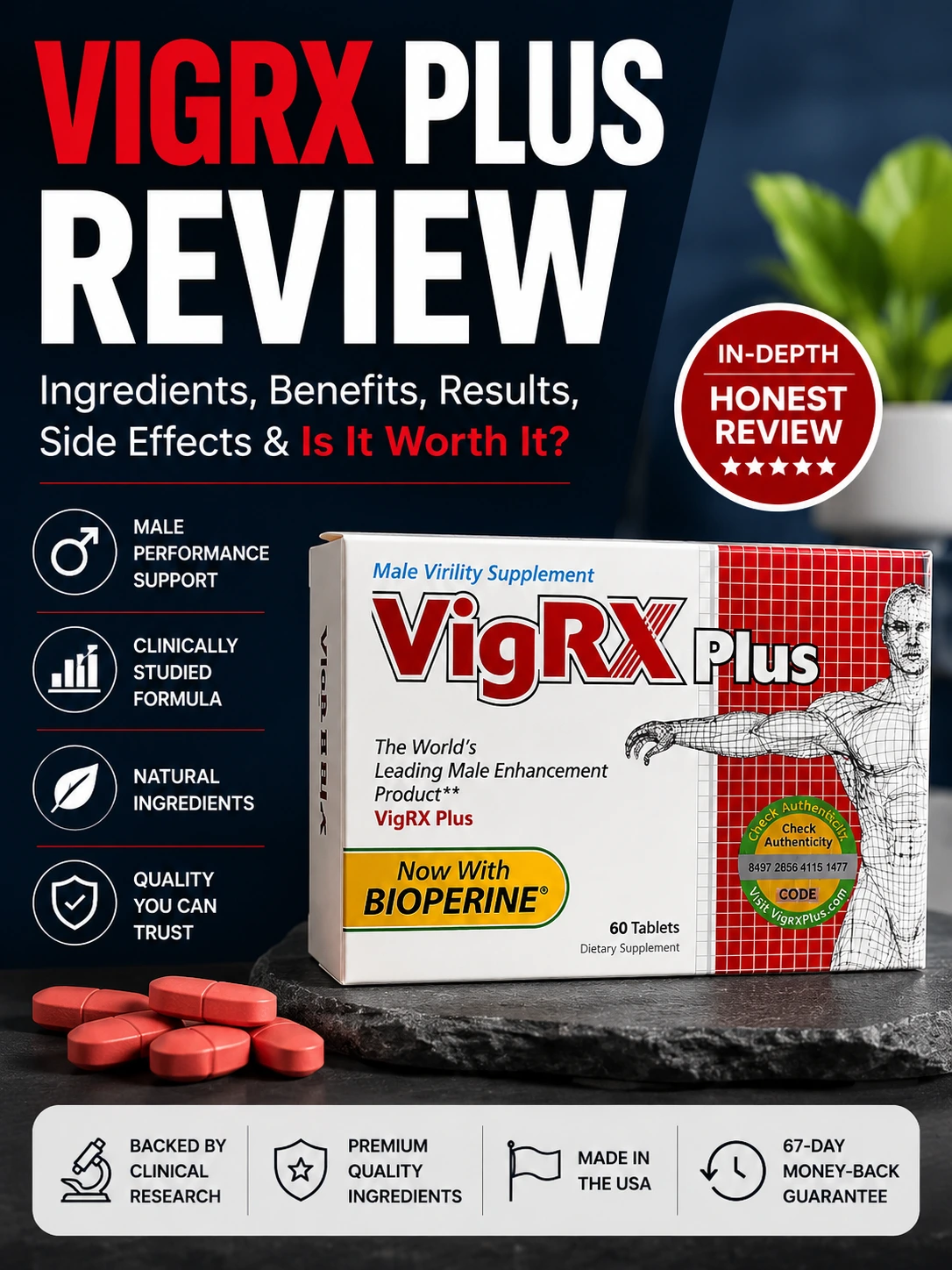
VigRX Plus is a product marketed in the male sexual wellness category.
If you are considering it specifically because of concerns about sexual desire or performance, it is important to distinguish between the product’s marketing claims and the available evidence for its individual ingredients and overall formulation.
Our detailed VigRX Plus review provides a separate look at the product, its ingredients, intended use, and important considerations.
The review should be considered alongside your own circumstances rather than as a substitute for professional medical advice.
Male Libido Is Part of the Bigger Health Picture
Sexual desire does not exist separately from the rest of the body and mind.
Sleep, stress, physical activity, nutrition, relationships, medications, emotional health, and broader physical health can all contribute to how sexual interest changes over time.
This is why a sustainable approach to sexual wellness is usually more useful than searching for one universal solution.
Supporting overall health can provide a stronger foundation than focusing exclusively on libido as an isolated measurement.
If your concern is broader than sexual desire, you can also explore our male enhancement guide and sexual performance guide.
Frequently Asked Questions About Male Libido
What is male libido?
Male libido refers broadly to sexual desire, sexual interest, or motivation to engage in sexual activity.
Is libido the same as erection quality?
No. Libido refers primarily to sexual desire, while erection quality refers to a physical sexual response. A man can experience sexual desire without having a reliable erection, or have an erection without experiencing strong sexual interest.
Can stress lower male libido?
Stress can influence mood, energy, sleep, concentration, and emotional well-being, all of which may affect sexual interest. Persistent stress may therefore be relevant when libido changes.
Can poor sleep affect libido?
Poor sleep and ongoing fatigue can affect energy, mood, and general well-being. These factors may influence sexual interest, although sleep is only one possible contributor.
Does low libido always mean low testosterone?
No. Sexual desire can be influenced by many factors, including stress, sleep, emotional health, relationships, medications, lifestyle, and broader health. Low testosterone should not be assumed without appropriate medical evaluation.
Can exercise support male libido?
Regular physical activity can support cardiovascular health, fitness, energy, mood, and general well-being. These factors may contribute to a healthier overall environment for sexual wellness.
Can medications affect libido?
Some medications can influence sexual function in certain individuals. If you notice a significant change after starting or changing a medication, discuss it with the healthcare professional responsible for your care.
When should I seek help for low libido?
If reduced sexual desire is persistent, causes significant concern, affects your relationships, or occurs alongside other changes in health, consider discussing it with a qualified healthcare professional.
Do male libido supplements guarantee results?
No supplement should be assumed to provide guaranteed results. Evidence varies between ingredients and products, so claims should be evaluated carefully and realistically.
Final Thoughts on Male Libido
Male libido is influenced by much more than one hormone, one food, or one supplement.
Sexual desire can change naturally in response to stress, sleep, relationships, lifestyle habits, medications, emotional well-being, physical health, and many other circumstances.
A temporary change does not automatically mean there is a medical problem. However, a persistent or concerning change deserves more attention than simply assuming that it is normal.
The most useful approach is to consider the bigger picture, maintain realistic expectations, and seek individual professional advice when appropriate.
At Male Health Shop, our goal is to provide educational information that helps men better understand sexual desire, sexual wellness, and the factors that may influence them.