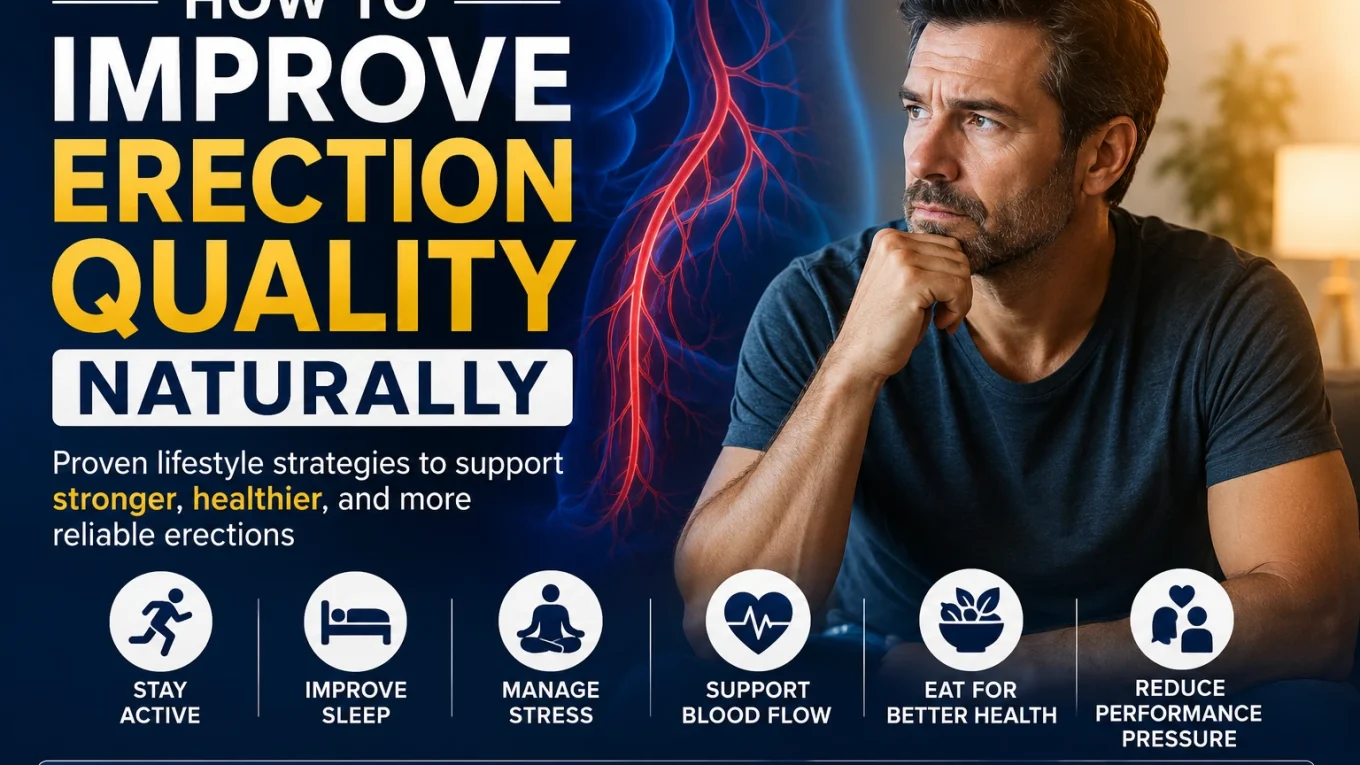
Erections Not as Strong? How to Improve Erection Quality Naturally
How to Improve Erection Quality Naturally: Start by Understanding What Affects It
Many men eventually notice changes in their erection quality. An erection may not feel as firm as it once did, may take longer to develop, or may be more difficult to maintain during sexual activity.
When this happens, the first instinct is often to look for a quick solution. But improving erection quality naturally is usually more complicated than finding one food, exercise, supplement, or technique.
An erection depends on several systems working together. Blood flow, nerve function, sexual arousal, mental well-being, sleep, cardiovascular health, lifestyle habits, and other factors can all play a role.
That means the best approach is not always to ask, “What will make my erections stronger immediately?” A more useful question is:
“What factors may be affecting my erection quality, and what can I realistically improve?”
For some men, addressing stress, poor sleep, inactivity, or unhealthy lifestyle habits may support better sexual well-being. For others, persistent changes may be connected to an underlying health issue that deserves professional evaluation.
This guide looks at practical ways to support healthy erection quality naturally while also explaining the limits of self-care and when it may be important to seek medical advice.
What Does Good Erection Quality Actually Mean?
When people talk about improving erection quality, they are not necessarily talking about achieving an unrealistic or permanent level of sexual performance.
Erection quality can involve several things, including:
- How easily an erection develops in response to sexual stimulation.
- How firm the erection becomes.
- Whether the erection can be maintained during sexual activity.
- How consistent erectile response feels over time.
It is normal for these things to vary occasionally. A man may have a different sexual response after a poor night’s sleep, during a stressful period, after drinking alcohol, or when he is physically exhausted.
One weaker erection does not automatically mean that something is wrong.
What may be more meaningful is a consistent pattern. If erections have gradually become less firm, are regularly difficult to maintain, or have changed significantly from what is normal for you, it may be worth looking more closely at possible contributing factors.
Your Erections Do Not Exist Separately From Your Overall Health
It is easy to think of an erection problem as something that affects only sexual performance. In reality, erectile function is closely connected to broader physical and psychological health.
Healthy erectile function depends heavily on the ability of blood vessels to respond appropriately and deliver sufficient blood flow. It also depends on nerve signals, sexual arousal, and the ability to relax.
This is why factors such as cardiovascular health, metabolic health, smoking, physical inactivity, stress, anxiety, poor sleep, and some medications can potentially influence erection quality.
Improving erection quality naturally may therefore involve improving the conditions that support the body’s overall ability to respond sexually.
Think of Erection Quality as Part of the Bigger Picture
Rather than looking for one isolated trick, consider your sleep, physical activity, stress levels, cardiovascular health, daily habits, medications, and general well-being. Several small improvements may sometimes be more meaningful than searching for one dramatic solution.
“Natural” Does Not Mean Guaranteed
The word natural is often used in sexual health marketing, but it can create unrealistic expectations.
A natural approach may include changes to lifestyle, sleep, physical activity, stress management, diet, and other everyday habits. These changes can support overall health, but they do not guarantee the same result for every person.
For example, improving cardiovascular fitness may be relevant to someone whose lifestyle has become increasingly inactive. Better sleep may be important for someone whose erection changes began during a period of chronic fatigue and stress.
But if persistent erectile changes are caused by a medical condition, medication side effect, or another underlying issue, lifestyle changes alone may not fully address the problem.
This distinction matters because a natural approach should not become a reason to ignore persistent symptoms.
Before Trying to Improve Anything, Look for the Pattern
Before changing your diet, buying supplements, or following a complicated routine, take a moment to consider what has changed.
Ask yourself:
- When did I first notice a change in erection quality?
- Did the change happen suddenly or gradually?
- Does it happen occasionally or consistently?
- Are my erections different depending on stress, sleep, alcohol, or fatigue?
- Has my level of physical activity changed?
- Have I gained or lost a significant amount of weight?
- Have I started or changed any medications?
- Have I noticed changes in libido, energy, mood, or general health?
You do not need to diagnose yourself based on these questions. Their purpose is to help you identify patterns that may provide useful clues.
For example, if erection quality changes mainly during periods of severe stress and poor sleep, those factors may deserve attention. If the problem has become persistent without an obvious explanation, a broader health evaluation may be more appropriate.
Set Realistic Goals for Improving Erection Quality
A healthy goal is not necessarily to achieve perfect erections every time.
Sexual response naturally changes from one situation to another. Age, fatigue, emotional state, relationship context, physical health, and the amount of sexual stimulation can all influence the experience.
A more realistic goal may be to support the factors associated with healthy erectile function and reduce the factors that may be working against it.
This can mean:
- Supporting cardiovascular and metabolic health.
- Becoming more physically active.
- Improving sleep quality.
- Reducing chronic stress and performance pressure.
- Limiting habits that may negatively affect overall health.
- Understanding when persistent changes deserve medical attention.
These steps may not produce an instant transformation, but they can create a stronger foundation for long-term sexual well-being.
The First Step Is to Build the Right Foundation
If you want to improve erection quality naturally, start by avoiding the quick-fix mindset.
Erections depend on far more than one ingredient or one sexual performance technique. Blood flow, cardiovascular fitness, mental well-being, sleep, lifestyle habits, and overall health can all contribute.
The next sections will look at these areas in more detail, beginning with one of the most important foundations: supporting healthy blood flow and cardiovascular health.
If you are currently experiencing persistent weaker erections and want to understand the possible reasons before focusing on solutions, you may also find our guide on why erections may not be as strong as they used to be helpful.
Support Healthy Blood Flow: One of the Foundations of Erection Quality
Healthy blood flow is one of the most important physical foundations of erectile function.
When sexual arousal occurs, the body relies on a coordinated response involving the brain, nerves, hormones, and blood vessels. Blood flow to the erectile tissues needs to increase, while the body must also be able to retain enough blood to create and maintain firmness.
Because of this, erection quality is closely connected to vascular health. Anything that affects the health and function of blood vessels may potentially affect the body’s ability to produce a normal erectile response.
This does not mean that every weaker erection is caused by poor circulation. Stress, anxiety, fatigue, medications, hormonal factors, and other issues can also play a role.
However, supporting cardiovascular health is one of the most practical long-term steps a man can take for both general health and sexual well-being.
Stay Physically Active
Regular physical activity supports several areas that are relevant to erection quality, including cardiovascular fitness, circulation, metabolic health, body composition, energy levels, and stress management.
You do not necessarily need an extreme training program to begin becoming more active. For many people, consistency is likely to be more sustainable than suddenly trying to exercise intensely every day.
A balanced routine may include different forms of movement, such as:
- Walking regularly.
- Cycling or other moderate aerobic activities.
- Swimming.
- Resistance or strength training.
- Sports and recreational physical activities.
- Reducing long periods of sitting.
The goal is not to follow one “magic exercise” for stronger erections. Instead, think about physical activity as part of supporting the cardiovascular and metabolic systems involved in overall health.
Even relatively small changes may help someone move away from a completely inactive routine. For example, walking more frequently, taking regular movement breaks, or gradually increasing exercise can be more realistic starting points than an unsustainable program.
Long Periods of Inactivity Can Add Up
Modern life can make it easy to spend much of the day sitting. Desk work, driving, screen time, and other routines may leave relatively little time for movement.
One day of inactivity is unlikely to explain a noticeable change in sexual function. But a consistently sedentary lifestyle can become part of a broader pattern involving lower cardiovascular fitness, reduced physical conditioning, weight changes, and metabolic health concerns.
If you spend most of the day sitting, consider practical ways to add more movement rather than viewing exercise as something that only happens during a formal workout.
Depending on your circumstances, this could include:
- Taking short walking breaks.
- Walking for part of your commute when practical.
- Using stairs when appropriate.
- Adding regular walks to your daily routine.
- Breaking up long periods of uninterrupted sitting.
- Finding an activity you genuinely enjoy and can maintain.
The best routine is usually one that fits your life well enough to continue over time.
Think About Cardiovascular Fitness, Not Just Sexual Performance
It can be tempting to exercise only because you want better sexual performance. But cardiovascular fitness has much broader importance.
Your heart and blood vessels are involved in delivering oxygen and nutrients throughout the body. Supporting cardiovascular health may therefore benefit many aspects of long-term physical well-being.
For men concerned about erection quality, this broader perspective is useful. Instead of treating exercise as a short-term sexual performance tool, think of it as one part of maintaining the vascular health that erectile function depends on.
Regular activity may also support other factors that influence sexual well-being, including stress management, energy, sleep, and body composition.
Start at a Level That Is Appropriate for You
If you have been inactive for a long time, have known cardiovascular problems, or have other medical concerns, it may be appropriate to discuss a new exercise program with a qualified healthcare professional before making major changes.
Consider the Impact of Smoking on Blood Vessel Health
Smoking can negatively affect cardiovascular and vascular health. Because healthy blood vessel function is important for normal erectile response, this is another reason to consider smoking cessation as part of a broader approach to improving overall health.
Stopping smoking can be difficult, and the benefits are not limited to sexual health. Improving vascular health may also support the heart, lungs, and long-term well-being.
If quitting feels overwhelming, focusing on professional support and a realistic plan may be more useful than simply relying on willpower alone.
The important point is that no supplement or sexual performance product should be viewed as a replacement for addressing a habit that may negatively affect broader health.
Be Realistic About Alcohol
Alcohol can affect sexual response differently depending on the amount consumed and the individual.
Some people may initially feel more relaxed after drinking. However, larger amounts of alcohol can interfere with the nervous system and make it more difficult to achieve or maintain an erection.
Frequent heavy drinking can also affect areas such as sleep, mood, general health, and other factors that may influence sexual well-being.
If you regularly notice poorer erection quality after drinking, this pattern is worth paying attention to.
Rather than assuming that alcohol is harmless because it helps you feel less anxious in the moment, consider its wider effects on your sleep, physical health, and sexual response.
Pay Attention to Blood Pressure and Metabolic Health
Healthy erectile function is connected to more than simply feeling physically fit.
Factors such as blood pressure, blood sugar, cholesterol levels, and metabolic health can also be relevant because they may affect blood vessels and other systems involved in sexual function.
This is one reason persistent erection changes should not always be approached as an isolated bedroom issue.
If you have known cardiovascular or metabolic risk factors, or if you have not had a health check for some time, discussing your concerns with a qualified healthcare professional may provide useful information.
A proper evaluation is more reliable than trying to determine the cause based only on online symptoms or supplement advertising.
Small Changes Can Build a Better Foundation
You do not need to change your entire lifestyle overnight to begin supporting better cardiovascular health.
A more realistic approach may involve identifying one or two habits that you can improve consistently.
For example:
- Move more if you spend most of the day sitting.
- Build regular physical activity into your weekly routine.
- Pay attention to cardiovascular health markers.
- Reduce habits that negatively affect overall health.
- Take persistent changes in erectile function seriously rather than simply ignoring them.
Over time, several sustainable changes may create a stronger foundation than repeatedly searching for a single quick fix.
Blood Flow Is Important, but It Is Not the Whole Story
Supporting cardiovascular and vascular health is an important part of a natural approach to erection quality. Physical activity, reducing prolonged inactivity, avoiding smoking, and paying attention to broader health factors can all be relevant.
But erections are not controlled by blood flow alone.
You can be physically active and still experience weaker erections during periods of severe stress, poor sleep, fatigue, anxiety, or relationship pressure. That is why improving erection quality naturally requires looking at both physical and psychological factors.
In the next section, we will look at another major part of the picture: sleep, stress, mental well-being, and the effect they can have on sexual arousal and erection quality.
How Can Sleep Affect Erection Quality?
Sleep affects far more than how tired you feel the next morning. Consistently poor sleep can influence energy, mood, stress levels, hormone regulation, and overall physical well-being—all of which may be relevant to sexual health.
An occasional short night of sleep may simply leave you feeling tired and less interested in sex. But when poor sleep becomes a regular pattern, its effects can become broader.
You may have less energy, feel more stressed, find it harder to concentrate, and feel less mentally responsive to sexual stimulation. These changes can potentially affect both sexual desire and erection quality.
For this reason, improving sleep can be one practical part of a natural approach to supporting sexual well-being.
It is not a guarantee that better sleep will solve every erection problem. However, if your erection quality changed around the same time that your sleep became consistently worse, the connection is worth considering.
Look at Your Sleep Pattern, Not Just One Bad Night
Almost everyone experiences occasional nights of poor sleep. One late night, a stressful deadline, travel, or a temporary disruption to your routine does not necessarily have a lasting effect on sexual function.
The more useful question is whether poor sleep has become part of your regular lifestyle.
Ask yourself:
- Do I get enough sleep on most nights?
- Do I follow a reasonably consistent sleep schedule?
- Do I regularly wake up feeling tired?
- Has stress made it difficult to fall or stay asleep?
- Do late-night habits regularly reduce my sleep time?
- Has my sleep quality changed around the same time as my sexual function?
You do not need to identify a perfect answer. The goal is simply to notice whether there is a pattern worth improving or discussing with a healthcare professional.
Build a Better Foundation for Sleep
Improving sleep does not require following a complicated routine. Often, the most useful changes are the ones you can maintain consistently.
Depending on your situation, practical steps may include:
- Keeping a more regular sleep and wake schedule.
- Allowing enough time for sleep rather than routinely cutting it short.
- Creating a relaxing routine before bed.
- Reducing habits that regularly interfere with sleep.
- Making your sleeping environment more comfortable and suitable for rest.
- Speaking with a healthcare professional if persistent sleep problems affect your daily life.
Better sleep supports more than erection quality. It can also influence energy, mood, physical recovery, and your ability to manage stress.
Fatigue Can Change Your Sexual Response
When you are physically or mentally exhausted, sexual activity may not receive the same level of attention as it does when you feel rested.
You may still want intimacy, but fatigue can make it more difficult to focus, relax, or become fully engaged in sexual stimulation.
Persistent fatigue can also overlap with other factors. Poor sleep may increase stress, while chronic stress can make sleep worse. Low energy may lead to less physical activity, which can then affect other aspects of general health.
This is why it is often more useful to look at the whole pattern rather than treating tiredness as a completely separate issue.
If fatigue has become persistent or is affecting several areas of your life, it may deserve further attention rather than simply being managed with caffeine, supplements, or willpower.
Chronic Stress Can Affect More Than Your Mood
Stress can influence sexual function both directly and indirectly.
When you are under constant pressure, your attention may be focused on work, finances, family responsibilities, health concerns, or other problems. This can make it harder to mentally shift into a relaxed and sexually responsive state.
Chronic stress may also affect sleep, energy, mood, and relationship dynamics. As a result, its influence on erection quality can involve several overlapping pathways.
Some men notice that their erections are more reliable when they feel rested and relaxed but less consistent during particularly stressful periods.
If this pattern sounds familiar, managing stress may be just as relevant as focusing on physical health.
Performance Anxiety Can Create a Self-Reinforcing Cycle
One disappointing sexual experience can sometimes create concern about the next one.
For example, a man may experience a weaker erection after drinking too much alcohol, getting very little sleep, or going through a stressful period. The experience itself may be temporary, but he may begin worrying that the same thing will happen again.
During the next sexual encounter, attention can shift away from arousal and toward monitoring performance.
Thoughts may begin to sound like:
- Will my erection be strong enough?
- What if I lose it again?
- Will my partner notice?
- What if I disappoint them?
This kind of pressure can make it harder to relax and stay focused on sexual stimulation.
A temporary problem → worry about performance → increased pressure → less relaxation → another disappointing experience → more worry.
Over time, the concern itself can become part of the problem.
This does not mean that every erection difficulty is caused by anxiety. Physical factors should not be ignored simply because someone also feels stressed. But performance anxiety can be an important contributor for some men.
Stop Treating Every Sexual Experience Like a Test
When erection quality becomes a source of concern, it can be easy to turn sex into a performance test.
Instead of focusing on intimacy, pleasure, connection, and arousal, a person may constantly check whether their erection is strong enough.
That type of self-monitoring can increase pressure and make relaxation more difficult.
One practical approach is to reduce the expectation that every sexual experience must follow exactly the same pattern or produce the same result.
Sexual response naturally varies. Fatigue, emotional state, stimulation, context, and other factors can affect how the body responds on a particular day.
Reducing unnecessary pressure does not mean ignoring a persistent problem. It means recognizing that worrying about every small change can sometimes make the situation worse.
Communication and Emotional Context Can Matter
Sexual function does not happen in a vacuum.
Relationship tension, emotional distance, poor communication, fear of disappointing a partner, or unresolved concerns can all influence how relaxed and connected a person feels during intimacy.
For some couples, talking openly about sexual concerns can reduce the pressure created by uncertainty or embarrassment.
This does not mean that relationship factors explain every change in erection quality. A physical cause should not be dismissed simply because relationship stress is also present.
However, emotional context can influence sexual arousal, and addressing that context may be part of a broader approach to improving sexual well-being.
Support Your Mental Well-Being Alongside Your Physical Health
A natural approach to improving erection quality should not focus only on exercise, diet, or circulation.
Mental well-being can also affect sexual desire, arousal, focus, and the ability to relax.
Practical ways to support mental well-being may differ from one person to another. They can include making time for rest, reducing unnecessary pressure, staying physically active, improving sleep, talking openly with a partner, or seeking professional support when stress or anxiety becomes difficult to manage.
If persistent anxiety, low mood, or other mental health concerns are affecting your daily life, professional support can be an important part of taking care of your overall well-being.
Better Sleep and Less Pressure Can Support the Bigger Picture
Sleep, fatigue, stress, anxiety, and emotional context can all influence sexual response.
Improving these areas may not solve every cause of weaker erections, but they can help create better conditions for both physical and psychological sexual well-being.
A natural approach works best when it considers the whole person rather than focusing on one system alone.
Next, we will look at another important part of that foundation: diet, body weight, metabolic health, and everyday lifestyle habits that may influence erection quality.
Diet and Erection Quality: Look at the Bigger Pattern
When searching for ways to improve erection quality naturally, many men immediately look for a specific food that supposedly works like a natural sexual performance booster.
The reality is usually more complicated.
No single food can guarantee stronger erections, and a healthy diet should not be viewed as an instant treatment for persistent erectile problems. However, the overall way you eat can influence broader areas of health that are relevant to sexual function, including cardiovascular and metabolic health.
Instead of asking, “What is the one best food for stronger erections?” it may be more useful to ask:
“Does my usual diet support my overall health, or is it contributing to problems that may affect my body over time?”
A consistent dietary pattern is generally more important than occasionally eating one food that is promoted for sexual health.
Focus on an Overall Healthy Eating Pattern
There is no need to create a complicated “erection diet.”
A more practical approach is to focus on the broader qualities of your usual eating habits. Depending on your individual needs and preferences, this may include eating a varied diet that provides vegetables, fruits, legumes, whole grains, and appropriate sources of protein and healthy fats.
The goal is not to label individual foods as sexual superfoods or to suggest that everyone should follow exactly the same diet.
Different people have different nutritional needs, cultural preferences, medical conditions, and dietary restrictions. What matters is developing an eating pattern that supports long-term health and is realistic enough to maintain.
If you have specific medical or nutritional concerns, personalized guidance from a qualified healthcare professional or registered dietitian may be more useful than following generic advice online.
Metabolic Health Can Be Part of the Picture
Erection quality is not determined by sexual arousal alone. Broader metabolic health can also be relevant.
Factors such as blood sugar regulation, blood pressure, cholesterol, and body composition can affect overall health and may influence systems involved in erectile function.
This is another reason not to treat persistent erection changes as simply a bedroom problem.
If a person has concerns about metabolic health, addressing those concerns may have benefits that extend far beyond sexual performance.
Regular health checks can be particularly useful when there are known risk factors, significant changes in body weight, a family history of certain health conditions, or persistent changes in sexual function.
Body Weight Is Only One Part of Overall Health
It can be tempting to assume that losing weight is automatically the answer to improving erection quality. In reality, body weight alone does not explain every difference in sexual function.
Overall health is influenced by many factors, including physical activity, cardiovascular fitness, sleep, nutrition, metabolic health, stress, and medical conditions.
For someone who has gained weight alongside becoming less physically active and developing poorer metabolic health, improving those broader habits may be relevant.
But the goal should not be to chase an arbitrary number on a scale solely because of concerns about sexual performance.
A more useful focus is improving sustainable health habits and seeking appropriate medical guidance when there are concerns about weight or metabolic health.
Avoid the Quick-Fix Diet Mindset
Extreme diets often promise rapid changes, but they may be difficult to sustain and are not automatically better for long-term health.
Constantly switching between restrictive eating plans can also create unnecessary stress and make it harder to build consistent habits.
If your goal is to support overall health and potentially improve factors related to erection quality, sustainable changes are generally more valuable than repeatedly searching for a dramatic short-term solution.
Consider changes that fit your normal life and can realistically continue over time.
For example, you might gradually improve the quality of everyday meals, become more physically active, reduce excessive alcohol consumption, or replace habits that consistently work against your health with more supportive alternatives.
Hydration and General Well-Being
Hydration is sometimes promoted online as a direct solution for erectile problems, but the relationship is not that simple.
Drinking enough fluids supports normal bodily functions and general well-being, but increasing water intake beyond your body’s needs should not be expected to solve persistent erection difficulties.
The more useful message is to maintain sensible daily habits rather than looking for an exaggerated hydration trick.
If you regularly feel unwell, unusually fatigued, or experience other persistent symptoms, it is better to consider the broader cause rather than assuming that dehydration is responsible for every change.
Small Daily Habits Can Have a Cumulative Effect
Sexual health is influenced by patterns that develop over time.
One unhealthy meal, one missed workout, or one stressful day is unlikely to determine your erection quality. The bigger picture is what happens repeatedly.
Over months or years, habits involving inactivity, poor sleep, smoking, excessive alcohol consumption, chronic stress, and neglect of general health can become part of a broader pattern that may affect well-being.
The opposite can also be true.
Regular movement, better sleep, balanced nutrition, stress management, and attention to preventive healthcare may gradually create a stronger foundation for overall health.
Consistency Matters More Than Perfection
You do not need to eat perfectly, exercise every day, or eliminate every source of stress. A realistic goal is to improve the habits you can control and maintain those improvements over time.
A Simple Lifestyle Foundation to Start With
If you are unsure where to begin, avoid changing everything at once.
You might start by choosing a few realistic areas to improve:
- Move more during the week.
- Reduce long periods of uninterrupted sitting.
- Build a more consistent sleep routine.
- Pay closer attention to your usual eating pattern.
- Reduce smoking or seek support to quit.
- Be more aware of how alcohol affects your sleep and sexual response.
- Schedule a health check if you have concerns about blood pressure, blood sugar, cholesterol, or other health factors.
These changes are not guaranteed to resolve every erection problem. Their purpose is to support the broader conditions associated with better overall physical health.
Healthy Daily Habits Support the Foundation, but They Are Not a Universal Cure
Diet, physical activity, metabolic health, body weight, and everyday habits can all be part of the bigger picture when thinking about erection quality.
However, no individual food, diet, or lifestyle technique should be presented as a guaranteed cure for persistent erectile problems.
If you make healthier changes and still experience ongoing difficulty achieving or maintaining an erection, the next step may be to look more closely at other contributing factors rather than simply trying increasingly extreme routines.
In the next section, we will explore another area that is often overlooked: sexual arousal, relationship context, and practical ways to reduce unnecessary pressure during intimacy.
Looking for Additional Support for Male Sexual Performance?
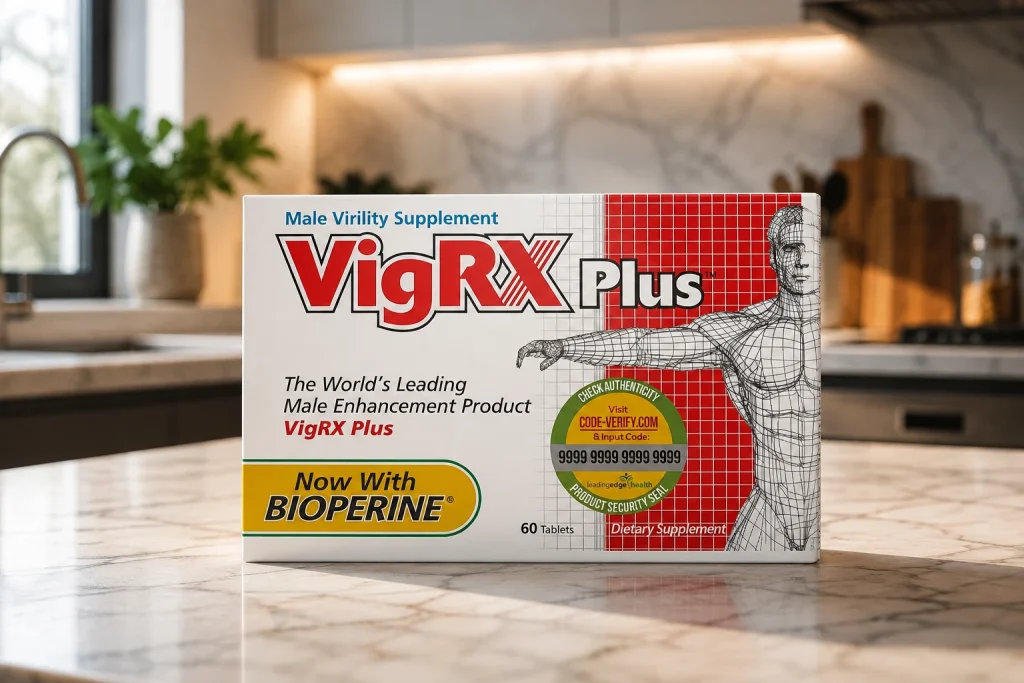
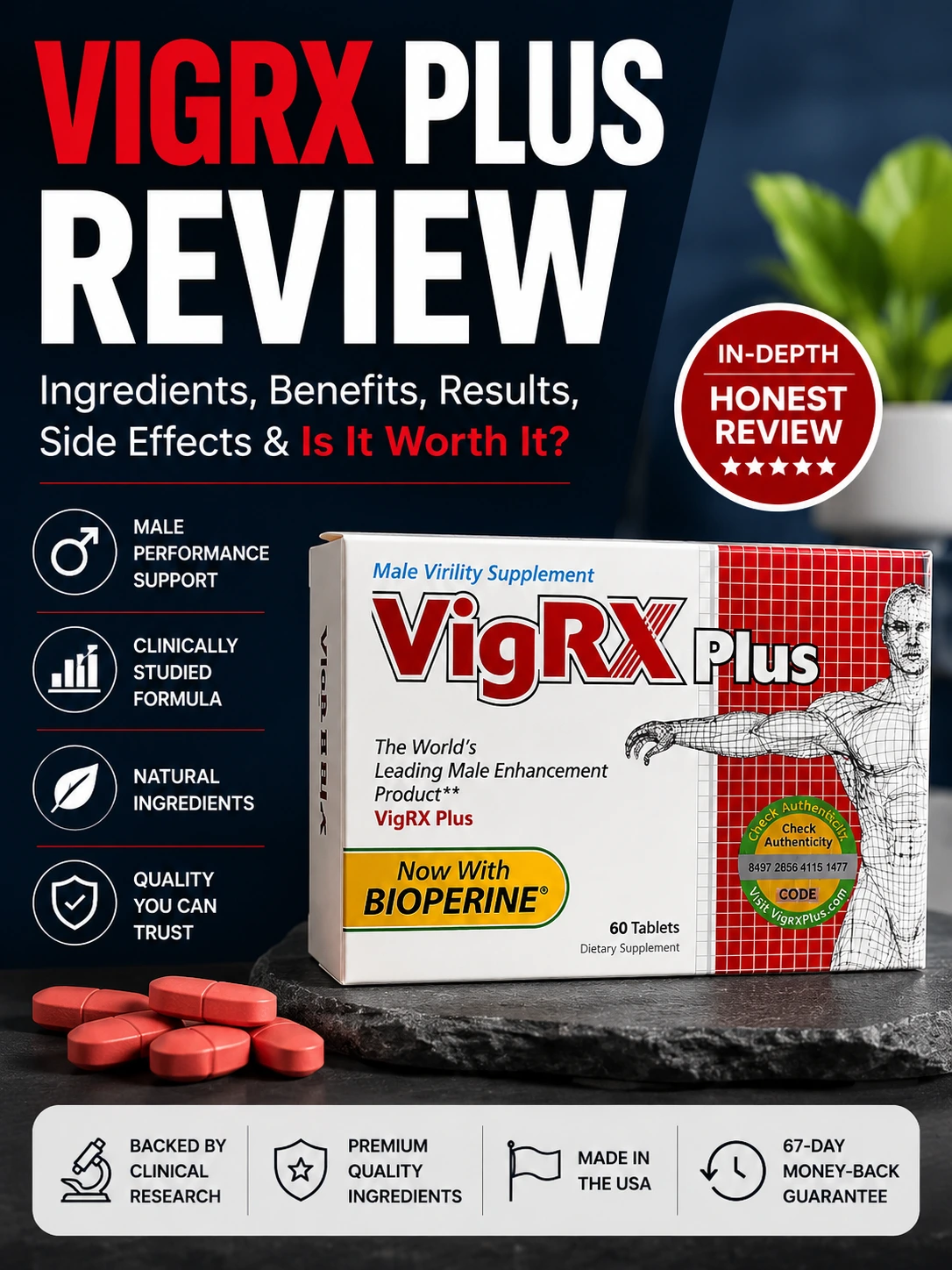
Healthy lifestyle habits can provide an important foundation, but some men also choose to research supplements designed to support male sexual wellness. If you are considering VigRX Plus, review the product information, ingredients, and suitability carefully before making a decision.
Sexual Arousal Matters More Than Many Men Realize
An erection does not happen simply because a man wants one to happen. Sexual arousal involves communication between the brain, nervous system, emotions, senses, and the body.
This means that erection quality can vary depending on the situation. Feeling rushed, distracted, exhausted, worried, or emotionally disconnected may affect the ability to become fully aroused.
Sometimes, the problem is not that the body has completely lost its ability to respond. Instead, the conditions that normally support sexual arousal may be different.
This is why it can be useful to think about the context surrounding sexual experiences rather than judging erection quality based on one moment alone.
Give Sexual Arousal Enough Time
One source of unnecessary pressure can be the expectation that an erection should appear immediately and remain perfectly consistent throughout every sexual experience.
In reality, sexual response can vary. The amount of stimulation, emotional connection, level of relaxation, fatigue, and mental focus may all influence how quickly and strongly the body responds.
Rushing the experience can sometimes increase the focus on performance rather than arousal.
Instead of treating an erection as something that must be produced on demand, it may be more helpful to allow enough time for arousal to develop naturally and focus on the experience itself.
This does not mean that taking more time will resolve every persistent erection problem. However, reducing unnecessary pressure and allowing space for arousal can be relevant when stress or performance anxiety is part of the picture.
Shift Your Focus Away From Constantly Checking Your Erection
When someone becomes concerned about erection quality, it is easy to start monitoring every physical change.
A person may repeatedly ask themselves:
- Is my erection firm enough?
- Is it getting weaker?
- Will I be able to maintain it?
- What will happen if it changes?
This type of constant self-monitoring can pull attention away from sexual stimulation and increase feelings of pressure.
For some men, shifting attention back toward intimacy, sensation, pleasure, and connection may help reduce the cycle of worrying about performance.
The goal is not to ignore persistent problems. It is to avoid turning every sexual experience into a test that you feel you must pass.
Relationship Context Can Influence Sexual Response
Sexual experiences take place within a broader emotional and relationship context.
For some people, unresolved conflict, communication problems, fear of disappointing a partner, or feeling emotionally distant can contribute to tension during intimacy.
When there is pressure to perform, even a temporary change in erection quality can become a source of embarrassment or worry.
Open and respectful communication may help reduce uncertainty and prevent both partners from making incorrect assumptions about what is happening.
For example, a temporary change in erection quality does not automatically mean a lack of attraction or desire for a partner. There can be many physical, emotional, and situational reasons why sexual response varies.
Talking About the Problem May Reduce Some of the Pressure
Many men feel uncomfortable discussing erection concerns. Embarrassment can lead someone to hide the problem, avoid intimacy, or silently worry about what a partner might think.
In some situations, this can create even more pressure.
A calm and honest conversation may help a partner understand that a change in erection quality is not necessarily about attraction or relationship satisfaction.
The conversation does not need to become a detailed medical discussion. Sometimes simply reducing secrecy and unrealistic expectations can make intimacy feel less like a performance.
If relationship tension or anxiety surrounding sex has become difficult to manage, professional counseling or sex therapy may also be worth considering.
Break the Cycle of Pressure and Disappointment
Performance anxiety can become self-reinforcing when each sexual experience is judged according to whether an erection was “successful.”
Imagine this pattern:
One weaker erection → worry about the next encounter → increased pressure → less focus on arousal → difficulty relaxing → another disappointing experience → even more worry.
Breaking this pattern may require changing the way you think about sexual performance.
Rather than expecting complete control over every physical response, it can be helpful to accept that sexual function naturally varies and focus on the broader experience of intimacy.
At the same time, persistent or worsening erectile changes should still be taken seriously. Reducing pressure and seeking appropriate medical evaluation are not mutually exclusive approaches.
Your Daily Lifestyle Can Follow You Into the Bedroom
Stress does not always disappear simply because sexual activity begins.
If you spend the day exhausted, anxious, distracted, or overwhelmed, those feelings may still affect your ability to relax and become sexually responsive later.
This is another reason the previous sections of this guide matter. Better sleep, regular physical activity, stress management, and attention to overall health may support more than one part of your life.
You do not need to create a perfect “sexual performance routine.” Instead, focus on habits that support your general well-being and give yourself realistic expectations about how sexual response can vary.
Avoid Comparing Every Experience With the Past
Another source of unnecessary pressure can be constantly comparing current erection quality with how you performed years ago or with unrealistic images of male sexual performance.
Age, lifestyle, stress, health, relationships, and many other factors can change over time. Expecting every sexual experience to remain identical throughout life can create frustration.
A more useful approach is to focus on whether there has been a meaningful and persistent change from what is normal for you.
If there has, try to understand the possible reasons instead of immediately assuming that you have permanently lost sexual function or that one product is the only answer.
A More Practical Approach to Sexual Intimacy
If stress or performance pressure appears to be affecting your sexual experiences, consider a few practical changes:
- Allow enough time for sexual arousal instead of rushing.
- Focus on intimacy and stimulation rather than constantly checking erection firmness.
- Recognize that one disappointing experience does not predict every future experience.
- Communicate openly and respectfully with your partner when appropriate.
- Avoid excessive alcohol if you know it negatively affects your sexual response.
- Address chronic stress and persistent fatigue outside the bedroom as well.
- Seek professional support when anxiety, relationship concerns, or persistent sexual difficulties become difficult to manage.
These approaches may help reduce unnecessary pressure, but they should not be treated as a replacement for medical evaluation when persistent symptoms suggest that a physical or other underlying factor may be involved.
Healthy Sexual Function Is Not Only About Physical Performance
Improving erection quality naturally may involve supporting both the physical and psychological conditions that influence sexual response.
Blood flow and cardiovascular health are important, but so are sleep, energy, stress levels, emotional well-being, sexual arousal, and the ability to feel relaxed during intimacy.
For some men, reducing performance pressure and addressing lifestyle factors may be an important part of the bigger picture. For others, persistent changes may require professional evaluation to identify possible underlying causes.
In the next section, we will look at another option many men consider: supplements marketed for male sexual wellness and what you should realistically consider before using them.
Can Supplements Help Support Erection Quality?
After looking at lifestyle, blood flow, sleep, stress, and sexual arousal, many men eventually ask whether supplements can also play a role in supporting erection quality.
The answer is not as simple as saying that every supplement works or that supplements never help.
Different products contain different ingredients, use different amounts, and are marketed for different purposes. Some formulas focus on ingredients associated with blood flow or nitric oxide pathways, while others may focus more broadly on libido, energy, hormonal support, or male sexual wellness.
Because of these differences, a supplement should not be evaluated simply because it carries labels such as “male enhancement” or “sexual performance support.”
A better question is:
“What does this particular product contain, what is it designed to support, and is there a reasonable basis for considering it?”
It is also important to remember that a supplement is not a guaranteed solution for persistent erectile difficulties and should not replace appropriate medical evaluation when an underlying health issue may be involved.
Not All Male Sexual Health Supplements Are the Same
Products marketed for male sexual wellness can look similar from the outside while having very different formulas.
One supplement may contain a blend of botanical ingredients. Another may focus on amino acids or ingredients associated with nitric oxide production. A third may be marketed primarily for libido rather than erection quality.
This means you should avoid assuming that two products will produce the same effect simply because both are sold in the same category.
Before considering any supplement, look at the actual product rather than relying only on the marketing headline.
Questions worth asking include:
- What ingredients are included?
- Are the ingredient amounts clearly disclosed?
- What is each ingredient generally included for?
- Does the product target erection quality, libido, sexual stamina, or broader male sexual wellness?
- What evidence exists for the individual ingredients or the finished formula?
- Are there known limitations to the available evidence?
- Are there potential side effects or interactions relevant to your situation?
These questions can help separate informed decision-making from simply buying the product with the most aggressive promises.
Look Beyond the Marketing and Examine the Ingredients
A long ingredient list does not automatically make a supplement better.
Likewise, the presence of one popular ingredient does not guarantee that the finished product will work as expected.
When evaluating a formula, it is useful to consider the individual ingredients, their disclosed amounts, and the quality and relevance of the available evidence.
Evidence can also vary considerably. Some ingredients may have been studied more extensively than others, while research on a particular ingredient may not necessarily apply to every dose, combination, or commercial product.
This distinction is especially important when reading online claims.
A company may discuss research on one ingredient, but that does not automatically prove that its complete formula will produce the same result for every user.
A more balanced approach is to distinguish between:
- What an ingredient has been studied for.
- What amount or preparation was used in available research.
- What evidence exists for the specific finished product.
- What the product realistically claims to support.
Set Realistic Expectations Before Trying a Supplement
One of the biggest problems with the male sexual wellness market is the expectation of immediate and dramatic results.
A supplement should not automatically be expected to produce the same result as a prescription medication, and different people may respond differently to the same formula.
Some users may report noticeable changes, while others may experience little or no difference. Individual health, the underlying reason for erection changes, lifestyle factors, expectations, and other variables can all affect the experience.
Be cautious of claims suggesting that one supplement will:
- Guarantee stronger erections for everyone.
- Work immediately in every situation.
- Permanently solve all erectile difficulties.
- Replace professional medical evaluation.
- Work regardless of underlying health or lifestyle factors.
A realistic product evaluation should include potential benefits, but also limitations.
Safety Matters as Much as Potential Benefits
“Natural” does not automatically mean suitable for everyone.
Botanical extracts, amino acids, and other ingredients can potentially interact with medications or may not be appropriate for people with certain health conditions.
This is particularly important if you use prescription medication, have cardiovascular concerns, or are managing an ongoing health condition.
Before starting a new supplement, review the product information carefully and consider speaking with a qualified healthcare professional or pharmacist if you are unsure whether it is appropriate for you.
You should also be cautious about products that do not clearly disclose their ingredients or rely heavily on vague proprietary blends that make it difficult to understand exactly what and how much you are taking.
When Might a Supplement Be Worth Considering?
A supplement may be something to research when you understand that it is only one part of a broader approach to sexual wellness.
For example, someone may already be working on sleep, physical activity, stress, and other lifestyle factors but still want to explore a product marketed for specific aspects of male sexual performance.
In that situation, the most sensible approach is to compare products carefully rather than buying based only on a headline such as “stronger erections” or “male enhancement.”
Look at the formula, ingredient transparency, intended use, available evidence, safety information, and the company’s purchasing or guarantee policies before making a decision.
Most importantly, do not use a supplement as a way to avoid investigating persistent changes in erectile function.
What If You Are Specifically Researching VigRX Plus?
VigRX Plus is one of the products that men may encounter when researching supplements for male sexual performance.
However, rather than assuming that it is automatically right for every person, it makes more sense to examine the product in detail.
Questions to consider include:
- What ingredients does VigRX Plus contain?
- What is the purpose of those ingredients within the formula?
- What does the available evidence suggest about the ingredients?
- What benefits does the product claim to support?
- What are its limitations?
- Are there safety considerations to keep in mind?
- How does it compare with other approaches to supporting male sexual wellness?
We examine these questions in our in-depth VigRX Plus review, including a closer look at the formula, ingredients, potential benefits, limitations, and factors worth considering before making a purchase.
Think of Supplements as One Possible Part of the Bigger Picture
The most balanced approach is to avoid placing unrealistic expectations on one product.
If poor sleep, chronic stress, smoking, heavy alcohol use, physical inactivity, or an underlying health issue is contributing to changes in erection quality, simply adding a supplement may not address the most important factor.
On the other hand, when someone has realistic expectations and carefully researches a product, a supplement may be one option they choose to explore as part of a broader approach to male sexual wellness.
The key is to understand what the product is—and what it is not.
A supplement is not automatically a cure, a diagnosis, or a replacement for healthy lifestyle habits and appropriate medical care.
Choose Supplements Carefully, Not Emotionally
When sexual performance becomes a source of concern, it is understandable to want a fast solution. But this is exactly when it becomes important to slow down and evaluate products carefully.
Look beyond promises. Examine the ingredients, understand what the formula is intended to support, consider the available evidence, and pay attention to safety.
Supplements may be worth researching for some people, but they should be viewed as one possible option rather than a guaranteed answer to every cause of weaker erections.
Next, we will look at an equally important question: when lifestyle changes and self-care may not be enough, and when persistent changes in erection quality should be discussed with a qualified healthcare professional.
When Lifestyle Changes May Not Be Enough
Improving sleep, becoming more physically active, managing stress, reducing unhealthy habits, and paying closer attention to overall health can all be worthwhile steps. However, lifestyle changes are not a universal solution for every cause of reduced erection quality.
If erections have become consistently weaker, are increasingly difficult to maintain, or have changed significantly from what is normal for you, it is important not to assume that more exercise, a stricter diet, or another supplement will automatically solve the problem.
Persistent changes in erectile function can have different contributing factors. Physical health, mental well-being, medication use, relationship context, and other factors may overlap.
That is why there can be a point where continuing to experiment with self-help strategies becomes less useful than seeking a proper evaluation.
Persistent Changes Deserve More Attention Than Occasional Changes
Sexual response can vary from one day to another. A weaker erection after poor sleep, excessive alcohol consumption, illness, stress, or physical exhaustion may be temporary.
What matters more is whether a pattern develops.
Consider the difference between these two situations:
Occasional Change
An erection is weaker on one occasion after a stressful week, very little sleep, or drinking more alcohol than usual. Normal sexual function returns at other times.
Persistent Change
Erections have gradually become less reliable over several weeks or months, and the problem occurs repeatedly regardless of the situation.
These situations are not necessarily equivalent. A persistent pattern may provide a stronger reason to discuss the issue with a qualified healthcare professional.
When Should You Consider Speaking With a Healthcare Professional?
It may be worth seeking professional advice if changes in erection quality are persistent, worsening, or causing significant concern.
You may also want to discuss the issue if:
- Erections have become consistently less firm than what is normal for you.
- You regularly have difficulty achieving or maintaining an erection.
- The change has continued for an extended period.
- You have noticed a significant change in sexual desire.
- The problem is affecting your relationship or quality of life.
- You have concerns about blood pressure, blood sugar, cholesterol, cardiovascular health, or other aspects of physical health.
- You have recently started, stopped, or changed a medication and noticed a change in sexual function.
- You are experiencing persistent fatigue, unexplained changes in energy, or other symptoms that concern you.
Seeking professional advice does not necessarily mean that the cause is serious. It simply provides an opportunity to look more carefully at possible contributing factors instead of relying entirely on guesswork.
Do Not Ignore the Possible Role of Medication
Some medications can affect sexual function. If you noticed a change in erection quality after starting a new medication or changing your dose, the timing may be worth discussing with the healthcare professional who prescribed it.
However, do not stop a prescribed medication on your own simply because you suspect it may be contributing to sexual difficulties.
A healthcare professional can help evaluate whether the medication may be relevant and discuss appropriate options based on your individual situation.
This is another reason why persistent erectile changes should not always be managed through trial and error with supplements or lifestyle changes alone.
Erection Changes Can Sometimes Be Part of a Broader Health Picture
Because erectile function depends on several systems within the body, persistent changes can sometimes occur alongside broader health concerns.
Blood vessel health, metabolic factors, nerve function, hormonal factors, medication effects, and psychological well-being can all be relevant in different situations.
This does not mean that every change in erection quality is a warning sign of a serious medical condition. It does mean that persistent symptoms deserve an explanation rather than automatic dismissal.
A professional evaluation may help identify whether there are factors that can be addressed directly.
What Might a Professional Evaluation Involve?
The exact process depends on your symptoms, health history, age, medications, and other individual factors.
A healthcare professional may ask questions about when the changes began, how often they occur, your general health, lifestyle, medications, sleep, stress, and sexual symptoms.
Depending on the situation, they may also consider other aspects of your physical health or recommend additional evaluation.
The purpose is not simply to label the problem. It is to better understand the possible factors involved and determine what approach is appropriate for your situation.
This can be more useful than assuming that one cause applies to everyone who experiences weaker or less reliable erections.
Healthy Habits and Professional Care Can Work Together
Seeking professional advice does not mean abandoning a natural or healthy lifestyle.
In many situations, improving sleep, physical activity, diet, stress management, and other everyday habits can still support overall well-being.
The difference is that professional evaluation can help you avoid relying on lifestyle changes alone when another contributing factor may need attention.
Think of these approaches as complementary rather than competing:
- Support your general health through sustainable daily habits.
- Pay attention to patterns and persistent changes.
- Research supplements carefully rather than expecting guaranteed results.
- Seek professional advice when symptoms persist or when you have concerns about underlying health factors.
A balanced approach is usually more useful than choosing between “natural” and “medical” as if they were the only two options.
Do Not Let Embarrassment Stop You From Asking Questions
Sexual health can be difficult to discuss. Some men delay seeking help because they feel embarrassed or believe that erection problems should simply be accepted in silence.
But sexual function is part of overall health and quality of life.
A qualified healthcare professional is accustomed to discussing sensitive health concerns. Asking questions about a persistent change does not make the situation more serious—it simply gives you an opportunity to better understand what may be happening.
If you have already tried improving sleep, exercise, stress management, or other lifestyle factors without seeing meaningful improvement, continuing to search endlessly for another online solution may not be the most useful next step.
Know When to Stop Guessing
A natural approach can be a valuable part of supporting overall health and sexual well-being. Better sleep, regular movement, stress management, balanced nutrition, and careful supplement research may all have a place in a broader strategy.
But persistent changes in erection quality are different from an occasional disappointing experience.
If the problem continues, worsens, or occurs alongside other health concerns, a qualified healthcare professional can help you move beyond guesswork and explore possible contributing factors.
Improving erection quality naturally does not mean ignoring your body. Sometimes, the most sensible next step is simply to ask for professional guidance.
In the final section, we will answer some of the most common questions about improving erection quality naturally and bring together the key points from this guide.
Frequently Asked Questions About Improving Erection Quality Naturally
Can you improve erection quality naturally?
In some situations, improving overall health and lifestyle habits may help support erectile function. Regular physical activity, better sleep, stress management, balanced nutrition, and reducing habits that negatively affect health can all be relevant.
However, natural approaches are not guaranteed to solve every erection problem. Persistent or worsening changes may have different contributing factors and may require evaluation by a qualified healthcare professional.
What causes erections to become weaker?
Erection quality can be affected by many factors. These may include poor sleep, fatigue, stress, performance anxiety, excessive alcohol consumption, smoking, physical inactivity, certain medications, and broader physical or psychological health factors.
Because several factors can overlap, it is not always possible to identify the cause based on one symptom or one experience alone.
Can exercise help improve erection quality?
Regular physical activity supports cardiovascular health, circulation, metabolic health, and overall well-being. These areas can all be relevant to healthy erectile function.
Exercise is not a guaranteed cure for persistent erectile difficulties, but maintaining an active lifestyle can be an important part of supporting long-term health.
Does better sleep help with erections?
Sleep can affect energy, mood, stress levels, and other aspects of physical and mental well-being that may influence sexual response.
If poor sleep has become a regular pattern, improving sleep habits may be worth considering as part of a broader approach to supporting sexual health. Better sleep alone, however, may not resolve every underlying cause of erection problems.
Can stress cause weaker erections?
Stress and anxiety can affect sexual arousal and make it more difficult for some people to relax during intimacy. Performance anxiety can also create a cycle in which worrying about erection quality increases pressure during future sexual experiences.
However, stress should not automatically be assumed to be the only cause of persistent erection changes. Physical and other contributing factors may also be involved.
Can diet improve erection quality?
No single food is guaranteed to improve erections. However, an overall eating pattern that supports cardiovascular and metabolic health may be relevant to general well-being and the systems involved in erectile function.
It is generally more useful to focus on sustainable dietary habits than to search for one supposed “miracle food” for stronger erections.
Are supplements effective for erection quality?
Different supplements contain different ingredients and are designed for different purposes. Their potential effects can vary depending on the formula, the ingredients used, the amounts provided, the individual, and the underlying reason for changes in erection quality.
Before considering a product, examine the ingredient list, intended use, available evidence, potential limitations, and safety considerations. A supplement should not be treated as a guaranteed replacement for professional medical evaluation when persistent symptoms are present.
How do I know whether a male enhancement supplement is worth trying?
Look beyond marketing claims. Check whether the ingredients and amounts are clearly disclosed, understand what the formula is designed to support, and consider what evidence exists for the ingredients or finished product.
You should also review safety information, possible interactions, and whether the product is appropriate for your individual circumstances.
If you are specifically researching one product, reading a detailed product analysis can be more useful than relying on promotional claims alone. For example, our VigRX Plus review examines the formula, ingredients, potential benefits, limitations, and other factors to consider.
How quickly can erection quality improve naturally?
There is no single timeline that applies to everyone. The answer depends on what is contributing to the change in erection quality.
If temporary factors such as fatigue, poor sleep, stress, or excessive alcohol consumption are involved, sexual response may improve when those factors change. When the problem is persistent or related to broader health issues, improvement may require more time or a different approach.
Be cautious of anyone promising a guaranteed or immediate result for every person.
When should I see a doctor about weaker erections?
Consider speaking with a qualified healthcare professional if erection changes are persistent, worsening, significantly different from what is normal for you, or affecting your quality of life or relationship.
You may also want professional advice if you have concerns about cardiovascular or metabolic health, medication effects, persistent fatigue, changes in sexual desire, or other symptoms that concern you.
Key Takeaways: How to Improve Erection Quality Naturally
Improving erection quality naturally is rarely about discovering one secret exercise, food, supplement, or technique.
Healthy erectile function depends on several connected systems and can be influenced by physical health, blood vessel function, sleep, energy levels, stress, emotional well-being, sexual arousal, medications, and lifestyle habits.
A practical approach is to focus on the areas you can realistically improve while paying attention to patterns that may suggest another contributing factor.
- Support cardiovascular and overall physical health.
- Stay physically active and reduce prolonged inactivity.
- Improve sleep and address persistent fatigue.
- Manage chronic stress and reduce unnecessary performance pressure.
- Follow sustainable dietary habits rather than chasing miracle foods.
- Pay attention to smoking, alcohol, and other habits that may affect health.
- Give sexual arousal and intimacy enough time instead of treating every experience like a performance test.
- Research supplements carefully and maintain realistic expectations.
- Seek professional guidance when erection changes persist or worsen.
Final Thoughts: Focus on the Cause, Not Just the Symptom
It is understandable to want stronger and more reliable erections. When sexual performance changes, many men immediately begin searching for the fastest possible solution.
But the most useful approach is often to step back and look at the bigger picture.
Has your sleep changed? Are you under more stress than usual? Have your activity levels declined? Are alcohol, smoking, medication changes, fatigue, or broader health concerns part of the pattern?
Answering these questions may provide more useful direction than repeatedly trying random products or following increasingly extreme advice online.
Healthy lifestyle changes can provide a strong foundation, and carefully researched supplements may be an option some men choose to explore. However, neither should be used to ignore persistent changes that deserve professional attention.
The goal is not to find a guaranteed shortcut. It is to understand the factors that may be affecting your sexual health and make informed decisions based on your individual situation.
If you are exploring supplements as one possible option, take the time to understand the product before buying it. You can read our detailed VigRX Plus review to learn more about its ingredients, formula, potential benefits, limitations, and the factors worth considering before deciding whether it is right for you.
Important Health Information
This article is provided for general educational and informational purposes only and is not intended to diagnose, treat, cure, or prevent any medical condition.
Information about lifestyle changes and supplements should not replace advice from a qualified healthcare professional. If you have persistent or worsening changes in erectile function, concerns about your health, or questions about medications or supplements, speak with an appropriately qualified healthcare professional.