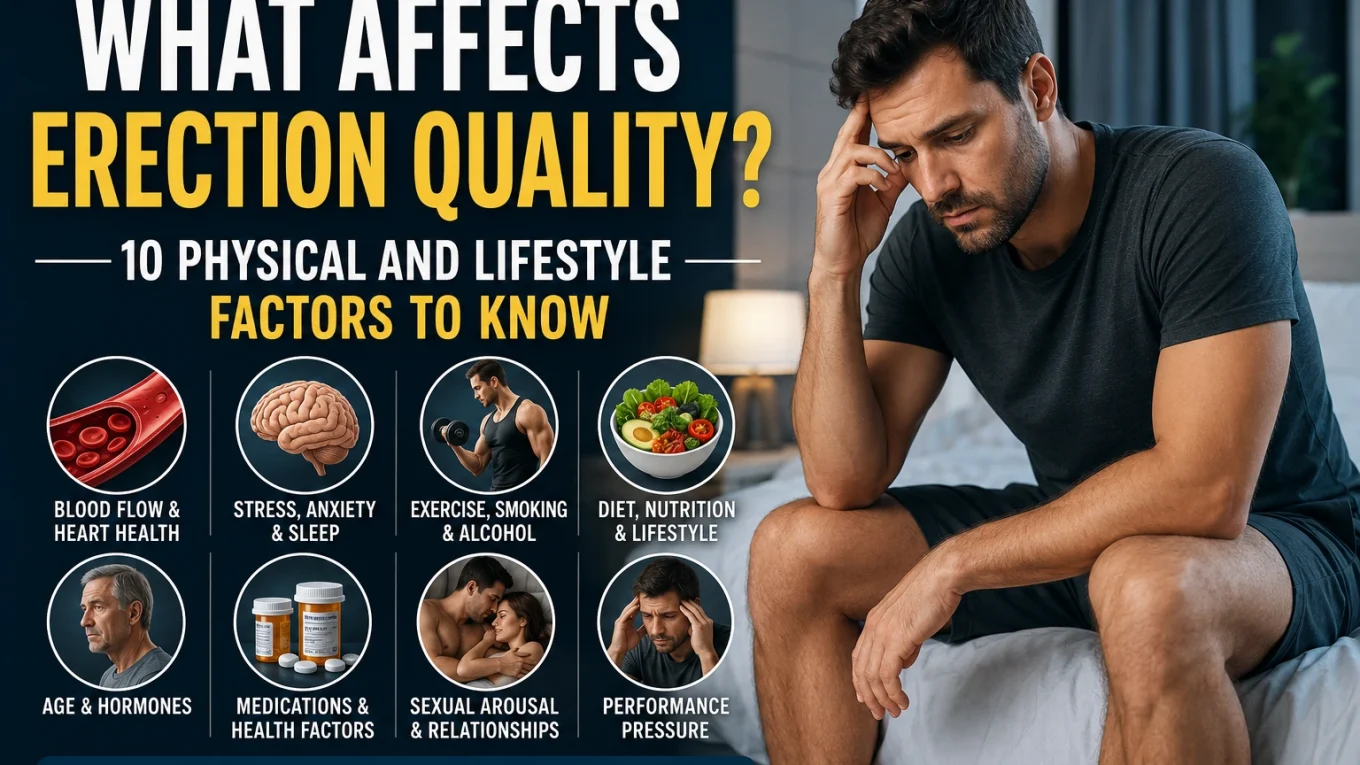
What Affects Erection Quality? 10 Physical and Lifestyle Factors to Know
What Affects Erection Quality?
Erection quality can vary from one experience to another. Many men occasionally notice that their erections are not as firm as usual, take longer to develop, or do not feel as consistent as they once did.
These changes do not always have one simple explanation.
An erection depends on several parts of the body and mind working together. Blood flow, sexual arousal, the nervous system, hormones, emotional well-being, lifestyle habits, and overall health can all play a role.
Because several factors may be involved at the same time, it is not always possible to identify the cause of a change in erection quality based on one experience alone.
Why Can Erection Quality Change?
It is normal for sexual response to vary depending on the circumstances.
For example, fatigue, stress, alcohol, distraction, or a lack of sleep may affect how you feel during a particular intimate experience. In other situations, changes may develop gradually and become more noticeable over time.
The important distinction is between occasional variation and a persistent pattern.
A single less-firm erection does not automatically mean that something is wrong. However, if you repeatedly notice changes in erection quality, it can be helpful to look at the broader factors that may be involved rather than immediately assuming one specific cause.
Erection Quality Is About More Than Just Firmness
When people talk about erection quality, they often focus only on how hard an erection feels.
However, the overall experience can involve several things, including how easily an erection develops, how firm it becomes, whether it can be maintained during intimacy, and whether your sexual response feels different from your usual pattern.
These experiences may not always change for the same reason.
For example, someone may have no difficulty getting an erection but occasionally struggle to maintain it. Another person may notice that erections take longer to develop during periods of stress or fatigue.
Looking at the specific pattern can provide more useful context than simply describing every concern as weak erections.
Physical, Emotional, and Lifestyle Factors Can Overlap
It can be tempting to divide erection problems into either physical or psychological causes. In reality, the situation is often more complicated.
Physical health can affect sexual function, while stress and anxiety may influence arousal, attention, and confidence. Lifestyle habits can also affect broader aspects of health that are relevant to sexual well-being.
These factors can overlap.
For example, someone who is under significant stress may also be sleeping poorly, exercising less, drinking more alcohol, and feeling physically exhausted. Looking for one single explanation may therefore miss the bigger picture.
10 Factors That Can Affect Erection Quality
The following factors can influence erection quality directly or indirectly, depending on the individual and their circumstances:
- Blood flow and cardiovascular health
- Stress and emotional well-being
- Sleep and physical recovery
- Physical activity and fitness
- Smoking and nicotine use
- Alcohol consumption
- Diet and overall nutrition
- Age and changes in overall health
- Medications and individual health circumstances
- Sexual arousal, relationship factors, and performance pressure
Not every factor will be equally important for every person. The purpose of this guide is not to help you diagnose yourself, but to explain why erection quality can be influenced by more than one aspect of your life and health.
Start With the Bigger Picture Instead of Looking for One Quick Answer
When someone notices a change in erection quality, the first instinct may be to search for one product, food, exercise, or technique that will immediately fix the problem.
However, lasting improvements in overall sexual wellness may depend on understanding the broader circumstances involved.
That may include looking at sleep, stress, daily activity, alcohol and smoking habits, general health, medications, and emotional pressure during intimacy.
Some factors are easier to change than others, but identifying patterns can be a useful first step.
In the next section, we will begin with one of the most important foundations of erection quality: healthy blood flow and cardiovascular health.
1. Blood Flow and Cardiovascular Health
Healthy blood flow is one of the most important physical factors involved in erection quality.
During sexual arousal, blood flow to the penis increases and helps create an erection. Because this process depends on the circulatory system, broader cardiovascular health can be relevant when considering persistent changes in erection quality.
This does not mean that every less-firm erection automatically indicates a cardiovascular problem. Erection quality can still vary because of stress, fatigue, alcohol, emotional pressure, and many other factors.
However, healthy circulation remains an important part of the bigger picture.
How Blood Flow Supports an Erection
An erection is not simply a matter of sexual desire. It involves communication between the brain, nervous system, blood vessels, and other parts of the body.
When sexual arousal occurs, signals in the body help increase blood flow into erectile tissue. The ability to achieve and maintain an erection depends on this process working effectively.
For this reason, factors that affect the health of blood vessels and circulation may also be relevant to sexual function.
At the same time, having a temporary change in erection firmness does not tell you exactly what is happening inside your cardiovascular system. One experience alone is not enough to identify a cause.
Why Cardiovascular Health Can Be Relevant
Cardiovascular health refers broadly to the health of the heart and blood vessels.
Lifestyle habits that support overall cardiovascular health, such as regular physical activity, avoiding smoking, maintaining a balanced diet, and managing other individual health factors, may also support the broader physical foundation involved in sexual function.
This is one reason persistent changes in erection quality should not always be dismissed as simply a normal part of getting older or a temporary lack of confidence.
A qualified healthcare professional can consider whether your individual health history or other factors deserve further attention.
Good Blood Flow Is Important, but It Is Not the Only Factor
It is important not to oversimplify erection quality by assuming that every problem is caused by poor circulation.
A person may be physically healthy but experience temporary difficulties because of stress, performance anxiety, fatigue, alcohol, or distraction. Likewise, several physical and psychological factors can overlap at the same time.
This is why improving one area does not necessarily guarantee the same sexual response in every situation.
The goal is to understand that blood flow is one important part of a much larger system.
Everyday Habits That Support Overall Circulation
You cannot control every factor that affects circulation, but some everyday habits can support overall cardiovascular health.
Regular movement is one example. Activities such as walking, cycling, swimming, and strength training can all contribute to a more active lifestyle when performed appropriately for your individual circumstances.
A balanced eating pattern, adequate sleep, avoiding smoking, and moderating alcohol intake may also support broader health goals.
The key is consistency. Searching for one food, supplement, or exercise that promises an immediate change may be less useful than building sustainable habits over time.
When Changes in Erection Quality Deserve More Attention
Occasional variation can happen. You may be tired after a difficult week, distracted by stress, or simply not experiencing the same level of arousal as usual.
However, if changes in erection quality become persistent, increasingly frequent, or noticeably different from your usual sexual function, it may be worth discussing them with a qualified healthcare professional.
This is not about assuming the worst. It is about avoiding self-diagnosis and considering the possibility that overall health may be relevant.
Professional advice can provide a more individual assessment than trying to identify the cause from general information online.
The Main Takeaway: Circulation Is One Important Piece of the Puzzle
Healthy blood flow provides an important physical foundation for erection quality, which is why cardiovascular health can be relevant when looking at persistent changes.
But circulation is only one part of the picture. Stress, sleep, physical activity, alcohol, smoking, emotional well-being, and other individual circumstances can also influence sexual function.
In the next part, we will look more closely at how stress, anxiety, poor sleep, and inadequate recovery can affect the broader conditions surrounding erection quality.
2. Stress, Anxiety, Sleep, and Recovery
Erection quality is not influenced by physical factors alone. Stress, anxiety, poor sleep, and inadequate recovery can also affect the conditions that support a healthy sexual response.
The connection is not always straightforward. A stressful day does not automatically mean that you will experience erection problems, and one night of poor sleep does not necessarily cause a lasting change.
However, when stress, anxiety, or poor sleep become ongoing parts of everyday life, they may affect energy levels, mood, sexual interest, focus, and overall well-being.
This is why emotional and lifestyle factors can be important when looking at the bigger picture behind changes in erection quality.
How Stress Can Affect Sexual Response
Stress can influence the body in many different ways. When you are dealing with work pressure, financial concerns, relationship difficulties, or other ongoing problems, it may become harder to relax and focus on intimacy.
Sexual arousal generally involves attention, comfort, and communication between the brain and body. Constant stress can make it more difficult to switch your attention away from worries and into the present moment.
Some people may also become more physically tense when they feel stressed. Others may notice reduced energy, lower interest in intimacy, or difficulty concentrating.
These effects can vary from person to person, but they show why erection quality cannot always be explained by one physical factor alone.
Anxiety and Constant Self-Monitoring Can Create Additional Pressure
Once someone notices a change in erection quality, it can be easy to start worrying about whether it will happen again.
This may lead to constant self-monitoring during intimacy. Instead of focusing on arousal and connection, a person may repeatedly check whether the erection feels firm enough or worry about losing it.
That additional pressure can make the situation feel more difficult.
This does not mean that every erection concern is caused by anxiety. Physical health and other individual factors can still be relevant. However, worrying about sexual performance can sometimes become part of a cycle in which concern itself adds more pressure to the experience.
Performance Pressure Can Become Part of the Problem
Many people put significant pressure on themselves to perform in a certain way during intimacy.
They may worry about satisfying a partner, maintaining an erection, lasting for a particular amount of time, or meeting expectations created by previous experiences or unrealistic comparisons.
When intimacy starts to feel like a test that must be passed, relaxation and enjoyment can become more difficult.
Reducing unnecessary performance pressure does not guarantee a particular sexual outcome, but understanding this pattern can help explain why some difficulties appear more often in situations where a person feels especially nervous or under pressure.
Why Sleep Matters for Overall Well-Being
Sleep is another important part of the bigger picture.
Poor sleep can leave you feeling tired, less focused, and less able to manage everyday stress. Over time, consistently inadequate sleep may also affect broader aspects of physical and emotional well-being.
When someone is exhausted, sexual activity may simply not feel the same as it does when they are well rested. Energy, mood, motivation, and interest can all vary.
For this reason, improving sleep habits may be a useful part of supporting overall health, even though sleep alone cannot explain every change in erection quality.
Recovery Is About More Than Just Getting Enough Hours in Bed
Recovery involves more than the number of hours you sleep.
Daily routines, physical activity, work demands, stress levels, and the amount of time you allow yourself to rest can all influence how recovered you feel.
Someone who exercises intensely, works long hours, sleeps poorly, and rarely takes time to recover may experience ongoing fatigue that affects many areas of life.
Building a healthier routine may involve looking at the overall pattern rather than expecting one quick change to solve every problem.
Practical Ways to Support Stress Management and Recovery
There is no single approach that works for everyone, but some people find it helpful to create more consistent routines around sleep, exercise, relaxation, and daily responsibilities.
Simple habits such as maintaining a regular sleep schedule, taking time away from constant work demands, staying physically active, and discussing concerns with a partner may support broader emotional well-being.
It can also help to avoid treating every sexual experience as a measurement of performance.
If anxiety or stress feels difficult to manage, or if it is having a significant effect on daily life or relationships, speaking with a qualified healthcare or mental health professional may provide more individual support.
The Main Takeaway: Stress and Recovery Are Part of the Bigger Picture
Stress, anxiety, performance pressure, poor sleep, and inadequate recovery can all influence the broader conditions surrounding sexual function.
They are not necessarily the only explanation for changes in erection quality, but they should not be ignored when looking at the overall pattern.
In the next part, we will look at several everyday lifestyle factors, including physical activity, smoking, and alcohol consumption, and how they may be relevant to overall health and erection quality.
3. Physical Activity and Fitness
Regular physical activity can support many aspects of overall health, including cardiovascular fitness, circulation, energy levels, and stress management.
Because erection quality involves several systems working together, maintaining an active lifestyle may be one part of supporting the broader physical foundation involved in sexual function.
This does not mean that one particular exercise will immediately improve erection quality for everyone. Individual health, fitness levels, age, lifestyle habits, and other circumstances can all make a difference.
The bigger goal is to avoid focusing on one specific workout and instead consider regular movement as part of a sustainable approach to overall health.
Why Regular Movement Can Matter
Modern lifestyles can involve long periods of sitting, whether at work, during travel, or while relaxing at home.
Adding regular movement to your routine may support general cardiovascular health and help maintain a healthier overall lifestyle. Walking, cycling, swimming, resistance training, and other forms of physical activity can all contribute depending on what is appropriate and enjoyable for the individual.
Consistency is usually more important than choosing the most demanding exercise programme.
A routine that you can maintain over time may provide more value than pushing yourself through short periods of intense activity that are difficult to continue.
Fitness Can Also Influence Energy and Overall Well-Being
Physical activity is not only relevant because of circulation.
Regular exercise may also support energy levels, sleep quality, mood, and stress management. These areas can overlap with sexual well-being, which is another reason erection quality should be viewed as part of a broader picture rather than an isolated issue.
Someone who feels physically exhausted, stressed, and inactive may experience intimacy differently from someone who generally feels well rested and physically active.
Of course, this does not mean that exercise can explain or solve every persistent erection concern. It is simply one lifestyle factor that may be relevant alongside many others.
4. Smoking and Nicotine Use
Smoking and nicotine use can affect overall health in several ways, including factors related to the cardiovascular system.
Because healthy blood vessels and circulation are important parts of the physical process involved in an erection, smoking is worth considering when looking at long-term lifestyle factors that may affect sexual health.
Quitting smoking can be challenging, and the right approach may vary from person to person. Professional support may be helpful for people who want to reduce or stop smoking.
Rather than viewing sexual health separately from the rest of the body, it can be useful to recognise that habits affecting cardiovascular and general health may also be relevant to sexual function.
5. Alcohol Consumption
Alcohol can affect sexual experiences differently depending on the amount consumed, the individual, and the circumstances.
Some people may feel more relaxed after drinking, while larger amounts of alcohol can interfere with coordination, attention, physical response, and sexual performance.
Occasional changes after drinking do not necessarily indicate a long-term problem. However, frequent or heavy alcohol consumption may be worth considering as part of the broader lifestyle picture.
If you notice a consistent pattern between alcohol use and changes in your sexual response, paying attention to that pattern may provide useful context.
Avoid Looking for One Single Cause
Physical activity, smoking, and alcohol are important lifestyle considerations, but none of them automatically explains every change in erection quality.
One person may notice that poor sleep and stress are more relevant, while another may have concerns connected to broader health or medication use.
Several factors can also overlap at the same time.
For example, someone may be physically inactive, under significant stress, sleeping poorly, and drinking more alcohol than usual during the same period. Looking at the overall pattern can therefore be more useful than blaming one single factor.
Building Healthier Lifestyle Patterns Over Time
Small and sustainable changes may be easier to maintain than attempting to transform everything at once.
Adding more movement to your week, improving sleep habits, reducing smoking or alcohol where appropriate, and paying attention to stress can all be part of a broader effort to support overall well-being.
The purpose is not to promise that any one habit will produce a specific result.
Instead, healthier routines can help support the physical and emotional conditions that are relevant to many aspects of life, including sexual health.
The Main Takeaway: Everyday Habits Can Add Up
Physical activity, smoking, and alcohol consumption are three lifestyle factors worth considering when looking at the bigger picture behind erection quality.
They work alongside other influences such as blood flow, stress, sleep, emotional well-being, diet, medications, and overall health.
In the next part, we will look more closely at diet, nutrition, and other lifestyle patterns that may support overall health and well-being.
Looking for additional support for your sexual wellness?
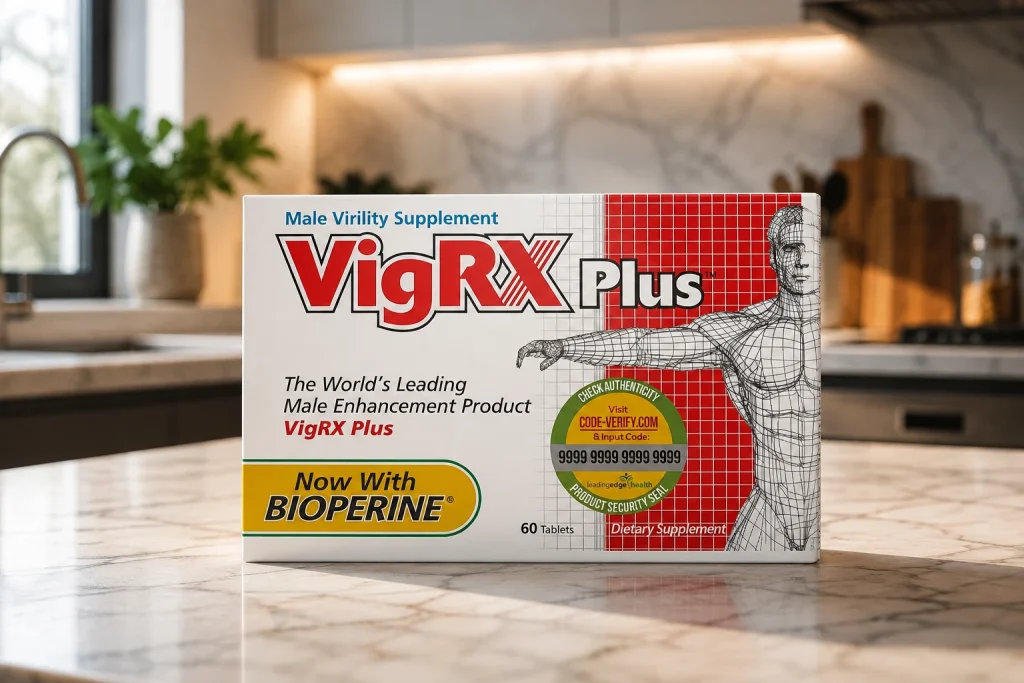
Learn more about VigRX Plus and review the product information before deciding whether it may be suitable for you.
6. Diet and Overall Nutrition
Diet is another part of the broader lifestyle picture that can be relevant to overall health and, indirectly, to the physical systems involved in sexual function.
There is no single food that can guarantee better erection quality, and it is important to be cautious about claims that one particular ingredient will produce immediate results.
Instead, the overall pattern of your diet may matter more than searching for one so-called miracle food.
A balanced eating pattern can support general health, energy levels, and cardiovascular well-being, all of which are relevant when considering the bigger picture behind erection quality.
Focus on Overall Eating Patterns Rather Than One “Miracle” Food
It can be tempting to search online for one food that supposedly improves blood flow or immediately produces stronger erections.
However, sexual function and overall health are more complex than the effects of one meal or individual ingredient.
A sustainable approach may involve paying attention to your broader eating habits over time. This can include eating a varied diet, choosing nutrient-rich foods, and creating a pattern that supports your general health.
For most people, consistency is likely to be more realistic than constantly switching between extreme diets or chasing the latest food trend.
Body Weight and Overall Health Can Also Be Relevant
Body weight is only one aspect of health, and it does not tell the complete story about a person’s sexual function or overall well-being.
However, changes in weight, physical activity, eating habits, and metabolic health can all be relevant when looking at broader health patterns.
The goal should not be to pursue a particular appearance as a solution to every sexual concern.
Instead, focusing on sustainable habits that support general health may be more useful than treating erection quality as something that can be separated completely from the rest of the body.
Hydration and General Well-Being
Hydration is another basic part of everyday health that is sometimes overlooked when people search for complicated solutions.
Being adequately hydrated supports normal bodily functions, but drinking extra water should not be viewed as a guaranteed way to improve erection quality.
The broader point is that basic health habits can work together.
Regular meals, adequate fluid intake, sufficient sleep, physical activity, and stress management may all contribute to a healthier overall routine.
Avoid Extreme Diets and Quick-Fix Promises
Extreme dieting or heavily restrictive eating patterns can sometimes create additional stress and may be difficult to maintain.
Likewise, products or online advice that promise dramatic changes in sexual performance from one food, drink, or supplement should be approached with realistic expectations.
If you choose to make changes to your diet, gradual and sustainable adjustments may be easier to continue over the long term.
For individual nutritional advice, particularly if you have an existing health condition or specific dietary requirements, a qualified healthcare professional or registered nutrition professional can provide more personalised guidance.
Healthy Lifestyle Factors Often Work Together
Diet is not an isolated factor.
Eating habits can overlap with sleep, physical activity, stress, alcohol consumption, smoking, and other aspects of daily life.
For example, someone who is regularly stressed may sleep poorly and make different food choices than usual. Someone who improves their overall routine may notice changes in energy and well-being without being able to identify one single reason.
This is why looking at the complete lifestyle picture can be more useful than trying to find one universal answer to changes in erection quality.
The Main Takeaway: Think About Your Overall Lifestyle Pattern
Diet and nutrition can support broader aspects of general and cardiovascular health, but no single food or eating strategy can guarantee a particular change in erection quality.
A more balanced approach is to focus on sustainable habits and remember that diet works alongside many other factors, including physical activity, sleep, stress, smoking, alcohol use, and individual health circumstances.
In the next part, we will look at age, hormones, medications, and other health-related factors that may also be relevant when erection quality changes over time.
7. Age and Changes in Overall Health
Many men notice changes in their bodies as they get older, but age alone does not determine whether someone will experience erection problems.
Sexual function varies considerably from person to person, and many different physical, emotional, and lifestyle factors can influence how erection quality changes over time.
Rather than assuming that every change is simply caused by ageing, it can be more useful to consider the broader health picture.
Changes that become persistent or noticeably different from your usual sexual function may deserve individual attention regardless of age.
8. Hormones and Sexual Function
Hormones are involved in many processes throughout the body, including aspects of sexual health and well-being.
However, it is important not to assume that every change in erection quality is automatically caused by a hormone problem.
Symptoms can overlap, and sexual function may be influenced by many different factors at the same time.
If you are concerned about persistent changes in sexual desire, energy, or other aspects of your health, a qualified healthcare professional can consider whether further evaluation is appropriate for your individual circumstances.
9. Medications Can Sometimes Be Relevant
If a noticeable change in sexual function occurs after starting, stopping, or changing a medication, the timing may be worth discussing with the healthcare professional responsible for your care.
Some medications may affect sexual function for some individuals, but you should not assume that a prescribed medication is the cause without appropriate advice.
Do not stop, reduce, or change prescribed medication on your own because of concerns about erection quality.
A qualified healthcare professional can review your individual situation and discuss whether medication, another health factor, or something else may be relevant.
10. Other Individual Health Factors
Erection quality can be connected to broader physical health, which is why persistent changes should not always be explained away as stress or a temporary lack of confidence.
Different health circumstances may affect sexual function in different ways, and it is not possible for a general article to identify the cause of an individual’s symptoms.
Looking at the complete picture may include considering overall cardiovascular health, sleep, stress, medications, lifestyle habits, and any other changes in general well-being.
This approach can be more useful than trying to self-diagnose based on a single symptom or online checklist.
Look for Patterns Over Time
An occasional change in erection quality can happen for many reasons and may not indicate a lasting problem.
However, if changes become persistent, increasingly frequent, or noticeably different from your usual pattern, consider looking beyond one isolated experience.
Paying attention to when the changes occur and whether they happen alongside other changes in your overall well-being may provide useful context.
Patterns can help you describe your concerns more clearly, but they cannot replace an individual assessment from a qualified healthcare professional.
When Professional Advice May Be Helpful
Consider speaking with a qualified healthcare professional if erection difficulties become persistent, cause significant concern, or are accompanied by other noticeable changes in your health or well-being.
Professional advice may also be useful if you are unsure whether stress, lifestyle habits, medications, or another individual health factor could be contributing.
Seeking advice does not mean assuming that something serious is wrong.
It can simply be a practical way to better understand your individual circumstances instead of relying entirely on guesswork.
The Main Takeaway: Age Is Only One Part of the Story
Age, hormones, medications, and other health factors may all be relevant when considering persistent changes in erection quality, but no single factor explains every situation.
The most useful approach is to avoid automatic assumptions and consider the broader pattern of your health, lifestyle, and sexual well-being.
In the next part, we will look at sexual arousal, relationship factors, and performance pressure, which can also influence how a person experiences erection quality during intimacy.
Sexual Arousal Is an Important Part of Erection Quality
Erection quality is not determined by physical health alone. Sexual arousal also plays an important role, and the level of arousal can naturally vary from one situation to another.
Factors such as attraction, comfort, emotional connection, mood, fatigue, distraction, and stress may all influence how mentally and physically engaged someone feels during intimacy.
This means that a less-firm erection on one occasion does not necessarily indicate a physical problem.
Looking at the circumstances surrounding the experience can sometimes provide useful context, particularly when changes appear only in certain situations rather than as a consistent pattern.
Relationship Factors Can Influence Sexual Well-Being
For people in relationships, the emotional environment surrounding intimacy can also make a difference.
Communication difficulties, unresolved tension, fear of disappointing a partner, or feeling pressured to perform can affect how relaxed and comfortable someone feels.
Open and respectful communication may help reduce unnecessary pressure and make it easier for both partners to understand each other’s expectations.
Relationship concerns are not necessarily the cause of erection difficulties, but they can be one part of the wider emotional context that influences sexual experiences.
Performance Pressure and Constant Self-Monitoring
One common pattern is becoming increasingly focused on whether an erection is firm enough or whether it can be maintained.
After one disappointing experience, some people begin to monitor every sensation during future intimate situations. They may repeatedly ask themselves whether everything is working normally or worry about losing the erection.
This can shift attention away from intimacy and toward performance.
For some people, that additional pressure may become part of a cycle in which worrying about sexual performance makes it harder to relax and stay focused on the experience itself.
Previous Experiences Can Affect Sexual Confidence
A previous experience of losing an erection or feeling dissatisfied with sexual performance can sometimes affect confidence during later intimate experiences.
The memory of what happened may create an expectation that the same thing will happen again.
This does not mean that one experience permanently determines future sexual function. However, repeated worry can influence how someone approaches intimacy and how much pressure they place on themselves.
Recognising this pattern may help separate one past experience from assumptions about what must happen in the future.
Unrealistic Expectations Can Create Unnecessary Pressure
Sexual experiences do not always follow a predictable pattern, and erection quality can naturally vary.
Comparing every experience with unrealistic expectations may create unnecessary concern. This can include expecting an erection to remain exactly the same throughout every intimate situation or assuming that any temporary change automatically represents a problem.
A more realistic perspective allows room for natural variation without immediately turning every change into a test of sexual performance.
If concerns are persistent, however, it is still important not to dismiss them automatically and to seek professional advice when appropriate.
How to Reduce Unnecessary Pressure During Intimacy
Reducing pressure does not mean ignoring persistent health concerns. Instead, it may involve changing the way you respond to occasional variation or anxiety during intimacy.
Some people find it helpful to slow down, focus less on monitoring erection quality, and pay more attention to comfort, connection, and the overall experience.
Open communication with a partner may also reduce uncertainty or unrealistic expectations.
There is no single technique that works for everyone, but recognising when intimacy has started to feel like a performance test can be an important first step.
The Main Takeaway: Erection Quality Can Be Influenced by the Situation
Sexual arousal, emotional comfort, relationship factors, previous experiences, and performance pressure can all influence the circumstances surrounding erection quality.
These factors do not explain every persistent erection concern, and physical health should not be ignored. However, they help explain why sexual response can sometimes vary depending on the situation.
In the final part of this guide, we will answer some common questions and bring together the most important points about the physical, lifestyle, and emotional factors that can affect erection quality.
Frequently Asked Questions About Erection Quality
What affects erection quality the most?
Erection quality can be influenced by several factors rather than one single cause. Blood flow, overall cardiovascular health, stress, sleep, physical activity, alcohol, smoking, medications, sexual arousal, and individual health circumstances may all play a role.
Can stress make erections less firm?
Stress may affect how relaxed, focused, and emotionally present someone feels during intimacy. For some people, ongoing stress or anxiety may contribute to changes in sexual response. However, persistent erection difficulties should not automatically be assumed to be caused by stress alone.
Can poor sleep affect erection quality?
Poor sleep can affect energy, mood, stress management, and overall well-being. These factors may influence the conditions surrounding sexual function. Improving sleep may support general health, but it does not guarantee a specific change in erection quality.
Does exercise help support erection quality?
Regular physical activity can support cardiovascular fitness, circulation, energy levels, and overall well-being. Because these areas are relevant to general health, maintaining an active lifestyle may be one part of supporting the broader physical foundation involved in sexual function.
Can alcohol affect erections?
Alcohol can affect sexual response differently depending on the individual and the amount consumed. Larger amounts may interfere with coordination, attention, and physical response. If you notice a consistent pattern between alcohol use and changes in sexual performance, this may be worth considering as part of your broader lifestyle habits.
Does smoking affect erection quality?
Smoking and nicotine use can affect overall health, including factors related to the cardiovascular system. Because healthy blood vessels and circulation are involved in erections, smoking is one lifestyle factor worth considering when looking at broader sexual health.
Can age cause weaker erections?
Sexual function can change over time, but age alone does not explain every change in erection quality. Lifestyle habits, overall health, stress, medications, and other individual circumstances may also be relevant.
When should I see a doctor about changes in erection quality?
Consider speaking with a qualified healthcare professional if changes become persistent, increasingly frequent, noticeably different from your usual sexual function, or cause significant concern. Professional advice may help identify whether your individual health circumstances deserve further evaluation.
Final Thoughts: Erection Quality Depends on the Bigger Picture
Erection quality is influenced by more than one factor. Physical health, blood flow, stress, sleep, physical activity, smoking, alcohol, diet, medications, sexual arousal, and emotional well-being can all contribute to the overall picture.
This is why searching for one universal cause or one instant solution may not always be helpful.
An occasional change in erection firmness can happen for many ordinary reasons, including fatigue, stress, alcohol, distraction, or natural variation in sexual arousal. Persistent changes, however, deserve a more careful look.
Paying attention to broader lifestyle and health patterns can be a useful starting point, but online information cannot diagnose the cause of an individual problem.
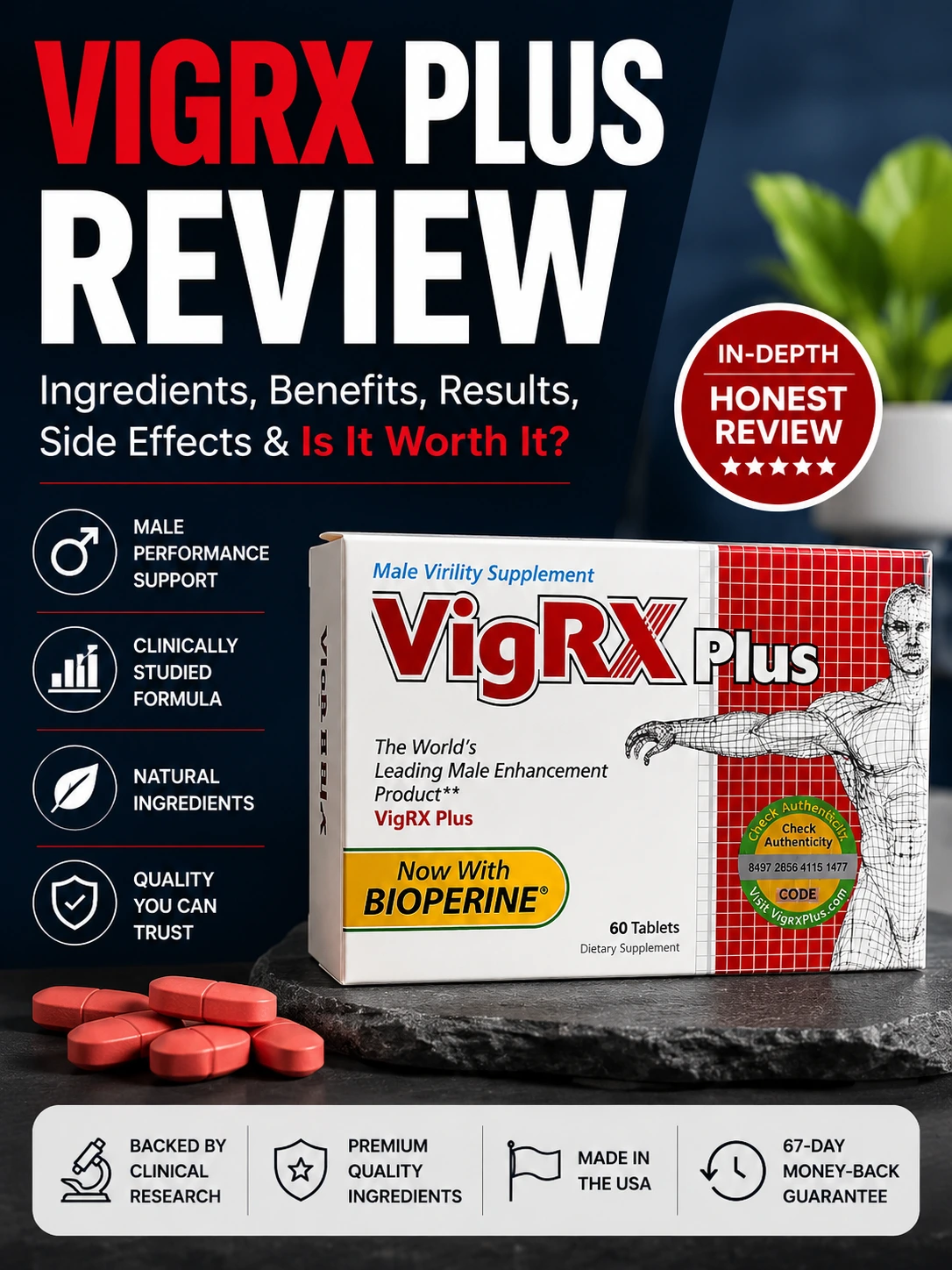
If you choose to explore supplements as part of your broader approach to male sexual wellness, it is important to maintain realistic expectations and review product information carefully. You can learn more about one option in our complete VigRX Plus Review.
Ultimately, the most balanced approach is to support your overall health, avoid jumping to conclusions based on one experience, and seek professional advice when persistent changes or concerns deserve individual attention.