Why Can You Get an Erection but Not Stay Hard?
This does not necessarily mean that one single problem is responsible.
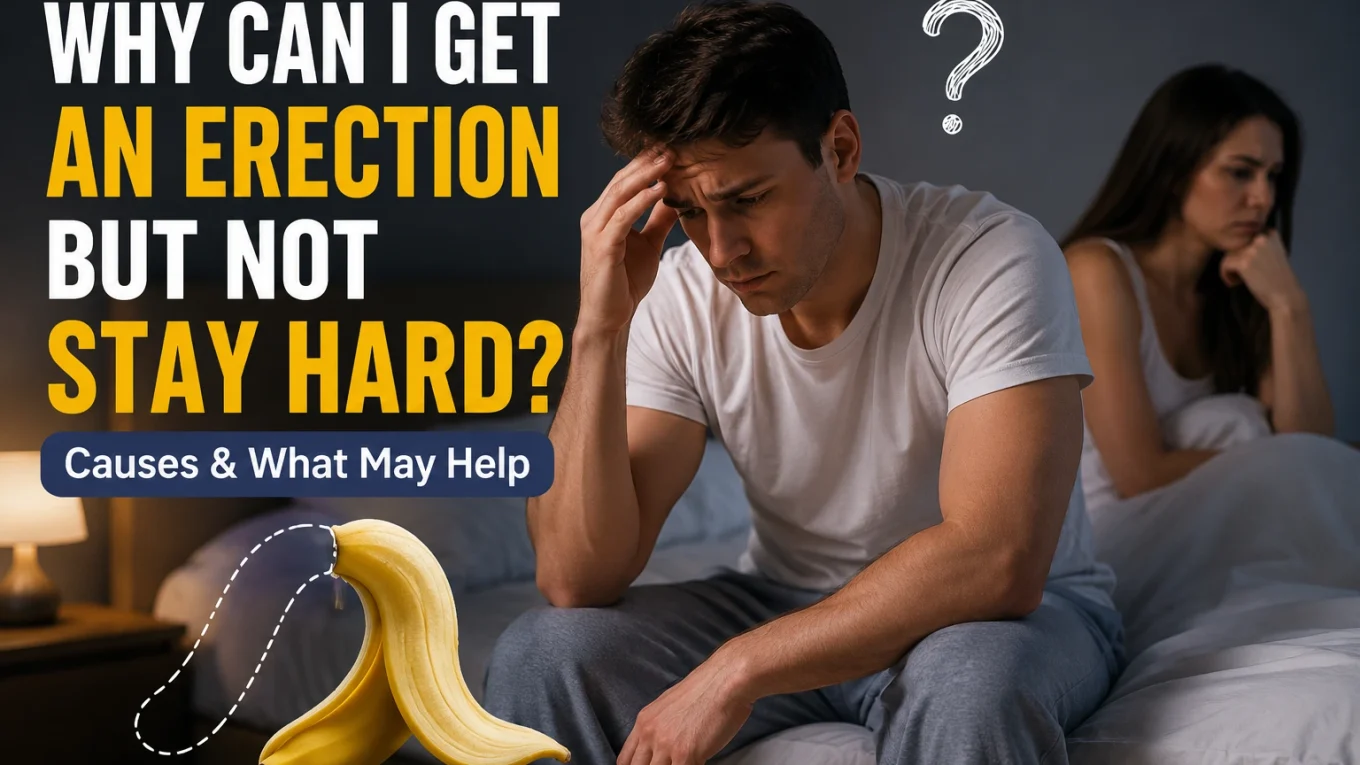
Getting an erection and maintaining one are connected, but they are not exactly the same process. Sexual arousal can trigger an erection, while maintaining that erection depends on a continuing combination of physical response, blood flow, stimulation, arousal, emotional state, and the circumstances around the sexual experience.
That is why someone may have no difficulty becoming erect but still occasionally struggle to stay hard.
For some men, this may happen only once in a while. For others, it can become a repeated pattern that causes frustration and worries about sexual performance.
Understanding the difference between getting hard and staying hard is an important starting point before looking for solutions.
Getting Hard and Staying Hard Are Not Exactly the Same Thing
An erection is not simply something that switches on and then remains unchanged until sexual activity ends.
Erection firmness can naturally change during intimacy. Arousal may increase or decrease, stimulation can change, your attention can shift, and your body may respond differently from one moment to the next.
For example, you might initially feel highly aroused and get a firm erection, but then begin thinking about whether you will be able to maintain it. That shift in attention alone may change how relaxed and engaged you feel.
In other situations, fatigue, alcohol, stress, a lack of sleep, or reduced stimulation may contribute to changes in erection firmness.
This is why an occasional loss of firmness does not automatically point to one specific cause.
However, if the same problem happens regularly, becomes more frequent, or is noticeably different from your usual sexual function, looking at the broader pattern becomes more useful than focusing on one isolated experience.
Erection Firmness Can Naturally Change During Intimacy
Many people assume that a healthy erection should remain equally firm from the beginning of sexual activity until the end.
Real sexual response is often more variable than that.
Changes in position, pace, stimulation, focus, comfort, and emotional state can all affect the experience. An erection may become firmer, slightly less firm, or temporarily fade before returning.
What matters is whether occasional variation has turned into a persistent difficulty.
If you occasionally lose your erection but can usually become aroused and maintain firmness without ongoing problems, one isolated experience may not mean very much.
If you repeatedly lose your erection despite wanting to continue sexual activity, however, it may be worth exploring the possible physical, psychological, lifestyle, and situational factors involved.
Why Losing an Erection Can Quickly Become Frustrating
One of the difficult things about losing an erection is that the experience itself can create pressure during the next sexual encounter.
After it happens once, you may begin asking yourself questions such as:
- Why did I lose my erection?
- Will it happen again?
- Can my partner tell that something is wrong?
- What if I cannot stay hard next time?
- Does this mean there is a serious problem?
These questions can shift attention away from intimacy and toward monitoring your own sexual performance.
The more closely you watch whether you are staying hard, the more pressure you may feel. For some men, that pressure becomes part of a repeating cycle: an erection fades, concern increases, and the next sexual experience begins with more anxiety than before.
This does not mean that every difficulty maintaining an erection is caused by anxiety. Physical and psychological factors can overlap, which is why it is important not to jump immediately to one explanation.
The Best Starting Point Is to Look at the Whole Picture
When trying to understand why you can get an erection but cannot always stay hard, it is tempting to search for one quick answer.
You might blame low testosterone, poor circulation, stress, age, your relationship, or a lack of attraction. In reality, sexual function can be influenced by several factors at the same time.
A better approach is to consider the overall picture.
Ask yourself whether the problem happens every time or only occasionally. Does it happen with every partner or situation? Has anything changed recently in your sleep, stress levels, lifestyle, health, medication, or relationship?
These questions do not provide a diagnosis, but they can help you understand whether the issue appears situational, temporary, or persistent.
In the following sections, we will look more closely at the factors that may influence your ability to maintain an erection, starting with something that is often overlooked: the changing relationship between arousal, stimulation, and erection firmness.
How Arousal Can Affect Your Ability to Stay Hard
Getting an erection is closely connected to sexual arousal, but arousal is not something that always remains at exactly the same level throughout intimacy.
You may feel highly aroused at the beginning of a sexual experience and quickly become erect. As the situation changes, however, your level of arousal may also change.
Distractions, interruptions, changes in stimulation, physical discomfort, tiredness, or worries about performance can all shift your attention away from the experience.
When that happens, erection firmness may also change.
This is one reason why being able to get hard does not always guarantee that you will remain equally hard throughout sexual activity.
An occasional change in firmness can be a normal variation in sexual response. The more important question is whether losing your erection has become a frequent pattern that repeatedly interrupts intimacy.
Stimulation Can Change Throughout Intimacy
Sexual stimulation is not always constant.
The type, intensity, and continuity of stimulation can change during intimacy. A pause, a change in position, an interruption, or a shift in attention may affect how aroused you feel in that particular moment.
This does not mean that you need continuous stimulation in one specific way to maintain an erection. Every person and sexual experience can be different.
It simply means that erection firmness can respond to changes in the overall sexual situation.
For example, you may notice that your erection becomes less firm when you stop focusing on intimacy and begin thinking about something unrelated. In another situation, you may lose firmness during a pause but become erect again once arousal returns.
These experiences can be very different from persistent difficulties that happen regardless of the situation.
Why Distraction Can Sometimes Make You Lose an Erection
Sexual arousal requires more than simply deciding that you want to have sex.
If your attention is divided, your mind may not remain fully engaged with the experience.
You might suddenly start thinking about:
- Work or financial concerns.
- Whether your partner is enjoying the experience.
- How long you have been able to stay hard.
- Whether you are performing well enough.
- Something that happened earlier in the day.
- What you need to do tomorrow.
A brief distraction does not necessarily cause a problem. But if your attention repeatedly shifts away from arousal and toward worry or self-monitoring, it may become harder to stay relaxed and engaged.
This is particularly relevant for men who notice that they can get an erection without difficulty but lose it once they begin worrying about maintaining it.
Constantly Checking Whether You Are Still Hard Can Create More Pressure
After losing an erection once, some men begin monitoring themselves closely during every future sexual experience.
Instead of being focused on arousal, pleasure, and connection, the mind starts asking:
- Am I still hard?
- Am I getting softer?
- Can I stay hard long enough?
- What happens if I lose my erection now?
This can turn intimacy into a performance test.
The problem is not simply the questions themselves. It is the pressure that can develop when every change in erection firmness is treated as evidence that something is going wrong.
An erection can naturally fluctuate, but constant monitoring may make even a small change feel like a major problem.
For some men, this becomes a repeating pattern in which the fear of losing an erection creates more tension during intimacy, making it harder to stay mentally relaxed and engaged.
Rushing the Experience Can Also Change the Situation
Another factor that may be overlooked is feeling rushed.
If you approach intimacy with the expectation that you must become fully erect immediately and remain perfectly firm from beginning to end, you may create unnecessary pressure before the experience has even developed naturally.
Sexual response is not identical every time. Energy levels, mood, stress, comfort, and the circumstances surrounding intimacy can all be different from one day to another.
Giving yourself enough time to relax and become genuinely engaged may be more useful than treating erection firmness as something you must force or constantly control.
This does not guarantee that every erection problem will disappear. Persistent difficulties can have physical, psychological, or lifestyle-related contributors that deserve closer attention.
Is the Problem Situational or Does It Happen Consistently?
One useful thing to consider is whether you lose your erection in every situation or only under certain circumstances.
For example, does the problem happen mainly when you feel stressed, tired, distracted, or under pressure? Or does it occur consistently even when you feel relaxed and highly aroused?
The pattern can provide useful context.
Situational changes may suggest that the circumstances surrounding intimacy are relevant. A persistent pattern does not automatically point to one specific cause either, but it may be a reason to look more closely at your overall health and consider professional advice when appropriate.
There is no need to diagnose yourself based on one experience. The goal is simply to recognize patterns rather than treating every isolated change in erection firmness as proof of the same problem.
The Main Takeaway: Staying Hard Depends on More Than Getting Aroused
Being able to get an erection is only one part of sexual response. Maintaining erection firmness can also be influenced by changing levels of arousal, stimulation, focus, comfort, distractions, and the overall circumstances surrounding intimacy.
This is why an occasional loss of firmness does not necessarily mean that something is seriously wrong.
However, if you repeatedly lose your erection and the problem is causing frustration or affecting your sex life, it is worth looking beyond one single explanation.
In the next section, we will examine one of the most common factors that can become part of this pattern: stress, performance anxiety, and the pressure of worrying about whether you can stay hard.
How Stress Can Affect Your Ability to Stay Hard
Stress does not automatically prevent every erection, but it can affect the overall conditions that support sexual arousal and relaxation.
You may be physically capable of getting an erection while still carrying stress from work, finances, relationships, family responsibilities, or other parts of daily life.
Sometimes that stress remains in the background. At other times, it becomes difficult to switch your attention away from whatever is worrying you.
During intimacy, this can make it harder to stay mentally present and relaxed. Your body may initially respond to sexual arousal, but a shift toward tension, worry, or distraction can change the experience.
This is one reason why some men notice that they can get hard at first but lose their erection when their mind begins focusing on something other than intimacy.
Of course, stress is not the only possible explanation for difficulty maintaining an erection. Physical health, sleep, alcohol, medications, lifestyle factors, and other circumstances can also be relevant.
Performance Anxiety Can Create a Difficult Cycle
Performance anxiety often begins with a simple concern: What if I cannot stay hard?
After one disappointing experience, it is understandable to worry that the same thing will happen again. The problem is that this concern can become the main focus of the next sexual encounter.
Instead of being present in the moment, you may start monitoring your body and looking for signs that your erection is becoming less firm.
The cycle can look something like this:
- You lose your erection once.
- You begin worrying about why it happened.
- Before the next encounter, you wonder whether it will happen again.
- During intimacy, you monitor whether you are still hard.
- Small changes in firmness create more concern.
- The concern increases pressure and makes it harder to relax.
Over time, the fear of losing an erection can become almost as frustrating as the original experience.
This does not mean that the problem is “all in your head.” It simply means that psychological pressure can interact with physical sexual response.
Why the Pressure to Perform Can Make Intimacy Feel Like a Test
Many men place a great deal of pressure on themselves to perform perfectly.
They may believe that a successful sexual experience requires getting fully hard immediately, remaining equally firm throughout the entire experience, and never showing any variation in sexual response.
Real intimacy is usually less predictable than that.
When every sexual encounter becomes a test of whether you can maintain an erection, it can be difficult to simply enjoy the experience.
You may become focused on achieving a specific physical result instead of paying attention to connection, arousal, pleasure, and comfort.
For some people, reducing the sense of pressure can help interrupt this pattern. That may involve slowing down, communicating more openly with a partner, and accepting that sexual response can vary rather than expecting complete control over every moment.
Worrying About Your Partner’s Expectations Can Add More Pressure
Another source of anxiety can be worrying about what your partner thinks.
You may wonder whether your partner believes you are no longer attracted to them, whether they are disappointed, or whether they notice every small change in erection firmness.
These concerns can create additional pressure even when your partner is supportive and understanding.
In some cases, honest communication can reduce unnecessary assumptions. A partner may not interpret an occasional change in erection quality as negatively as you imagine.
Feeling emotionally comfortable and less judged can also make it easier to focus on the experience rather than constantly evaluating your performance.
Relationship concerns are not always the cause of erection difficulties, but the emotional environment surrounding intimacy can influence how relaxed or pressured you feel.
What Happens Outside the Bedroom Can Affect What Happens Inside It
Sexual performance does not exist separately from the rest of your life.
If you are constantly exhausted, overwhelmed, worried, or unable to switch off mentally, those experiences can affect your overall sense of well-being.
Managing stress does not mean eliminating every difficult situation from your life. Instead, it can mean finding realistic ways to create more recovery, relaxation, and mental space.
Depending on your circumstances, helpful habits may include:
- Making time for regular physical activity.
- Prioritizing sufficient and consistent sleep.
- Taking breaks from work and constant notifications.
- Using relaxation techniques that genuinely work for you.
- Talking openly with a supportive partner.
- Addressing ongoing sources of stress rather than simply ignoring them.
These habits are not guaranteed cures for erection difficulties, but they may support the broader conditions that influence energy, mood, relaxation, and sexual well-being.
Do Not Assume That Every Problem Is Your Fault
When an erection fades, it can be easy to blame yourself.
You may think that you are not masculine enough, not attracted enough to your partner, too old, or somehow failing at sex.
These assumptions can make the situation more emotionally difficult without necessarily explaining what is happening.
Erection quality can be influenced by many factors, and one experience does not define your overall sexual ability or your relationship.
If difficulties become persistent, the most useful approach is usually to look for patterns and consider the full picture rather than attacking yourself or jumping immediately to the worst possible conclusion.
Stress and Anxiety Are Not Always the Whole Explanation
It is important not to automatically assume that stress or performance anxiety explains every difficulty maintaining an erection.
A man can feel anxious because he repeatedly loses his erection, rather than anxiety being the original reason it started.
Physical and psychological factors can also overlap. For example, a temporary physical change may lead to worry about sexual performance, while that worry then adds another layer of difficulty during future encounters.
This is why looking at the whole pattern matters. Consider when the problem began, how often it happens, whether it occurs in different situations, and whether there have been other changes in your health or lifestyle.
Persistent or worsening difficulties should not simply be dismissed as stress without considering professional advice when appropriate.
The Main Takeaway: Worrying About Staying Hard Can Become Part of the Problem
Stress and performance anxiety can change the way you experience intimacy, particularly when your attention shifts from arousal and connection toward constantly checking whether you can maintain an erection.
For some men, one disappointing experience creates a cycle of worry that adds more pressure to the next one.
Reducing unnecessary pressure, avoiding constant self-monitoring, and looking at the bigger picture may be more helpful than treating every change in firmness as a personal failure.
However, stress is only one possible part of the story. In the next section, we will look at the physical side of the picture, including blood flow, general health, and other factors that may influence your ability to maintain an erection.
Why Blood Flow Matters When It Comes to Staying Hard
An erection depends on a coordinated physical response, and blood flow is an important part of that process.
Sexual arousal can help trigger changes that allow more blood to flow into erectile tissue. Maintaining firmness then depends on the body’s ability to support that response throughout the sexual experience.
This is one reason why someone may be able to get an erection but still notice changes in firmness later.
Getting hard at the beginning does not necessarily mean that every factor involved in maintaining an erection will remain unchanged. Physical response, arousal, stimulation, attention, and overall health can all interact.
However, it is important not to assume that every problem maintaining an erection is simply a blood-flow problem. Sexual function is more complex than one single factor, and the pattern of symptoms matters.
Overall Cardiovascular Health Is Part of the Bigger Picture
The health of your blood vessels and cardiovascular system can be relevant to sexual function because erections involve circulation.
That does not mean that an occasional loss of firmness automatically indicates a cardiovascular problem. Temporary changes can happen for many different reasons.
But when erection difficulties become persistent, it can be useful to think about sexual health as part of overall health rather than as something completely separate from the rest of the body.
Factors that support general cardiovascular health may also be relevant to healthy sexual function, including regular physical activity, a balanced diet, sufficient sleep, and avoiding habits that can negatively affect overall health.
The goal is not to search for one magic solution. It is to support the broader foundation that contributes to physical well-being.
Can Physical Activity Help Support Better Erection Quality?
Regular physical activity can support several aspects of overall health, including cardiovascular fitness, energy levels, mood, and general well-being.
For this reason, staying physically active can be part of a healthy lifestyle approach for men who want to support sexual wellness.
You do not necessarily need an extreme training program.
Depending on your current fitness level and individual circumstances, activities such as walking, cycling, swimming, resistance training, or other forms of regular movement may help support overall health.
Consistency is generally more valuable than trying to transform your lifestyle overnight.
At the same time, exercise is not a guaranteed or immediate solution for persistent erection difficulties. If problems continue, it is important to avoid assuming that simply exercising more will identify or solve the underlying reason.
Metabolic Health Can Also Be Part of the Overall Picture
Your sexual health is connected to your general physical well-being.
Energy levels, body weight, daily activity, nutrition, and other aspects of metabolic health can influence how you feel and function overall.
This does not mean that there is one ideal body type required for healthy sexual function. It also does not mean that body weight alone explains why someone loses an erection.
The more useful approach is to focus on sustainable health habits rather than chasing a specific number on a scale.
Regular movement, balanced nutrition, adequate recovery, and attention to your broader health can all be part of that foundation.
Age Can Change Sexual Response, but It Does Not Explain Everything
Some men notice changes in sexual response as they get older.
You may find that it takes more time to become fully aroused, that your erections do not always respond as quickly as they once did, or that recovery between sexual experiences feels different.
These changes can vary significantly from person to person.
Age alone, however, should not be used to automatically explain every persistent change in erection quality. Health, lifestyle, medications, emotional well-being, and many other factors can also play a role.
If a noticeable change is persistent or causing concern, it can be more useful to discuss it with a qualified healthcare professional than to simply assume it is an unavoidable part of getting older.
Could Medications Be Affecting Your Ability to Stay Hard?
If you have noticed changes in sexual function after starting, stopping, or changing a medication, it is worth considering the timing.
Some medications can affect sexual function for some people, although this does not mean that every medication-related change has the same cause or solution.
Do not stop taking a prescribed medication simply because you think it may be affecting your erections.
Instead, speak with the healthcare professional who prescribed it. They can consider your individual situation and discuss whether the medication, dosage, timing, or another factor may be relevant.
General information online can help you understand possible considerations, but it cannot determine what is appropriate for your specific medical circumstances.
Sometimes More Than One Factor Is Involved
One of the biggest mistakes when trying to understand erection difficulties is assuming that there must be one single cause.
In reality, several smaller factors can sometimes combine.
For example, poor sleep may leave you feeling tired, stress may make it harder to relax, alcohol may affect your sexual response, and concern about losing your erection may add performance pressure.
None of these factors necessarily has to explain the entire problem on its own.
Together, however, they may create conditions that make it more difficult to maintain erection firmness consistently.
That is why looking at your overall pattern can be more useful than searching endlessly for one simple explanation.
The Main Takeaway: Physical Health Is One Part of Staying Hard
Blood flow and overall physical health are important parts of the broader picture, but they are not the only factors involved in maintaining an erection.
Regular exercise, healthier daily habits, cardiovascular well-being, and attention to your general health may help support the conditions associated with healthy sexual function.
At the same time, persistent problems should not automatically be blamed on age, circulation, or lifestyle without considering other possible factors.
After looking at both the psychological and physical sides of the issue, we can now turn to another area that some men choose to explore when supporting their sexual wellness: supplements designed for male sexual performance.
Looking for Additional Support for Sexual Performance?
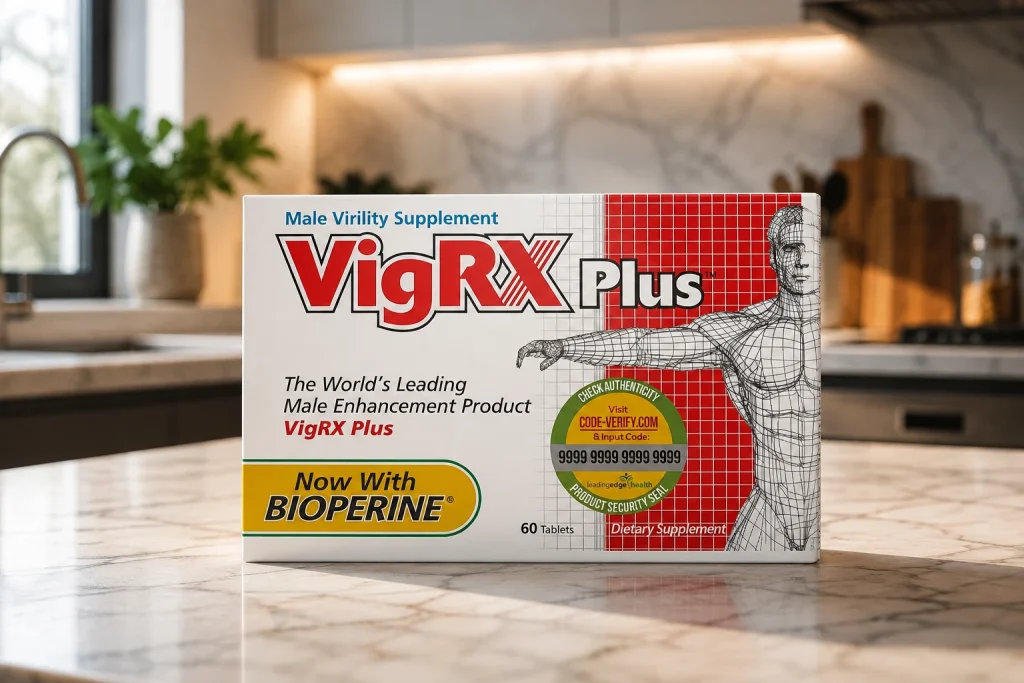
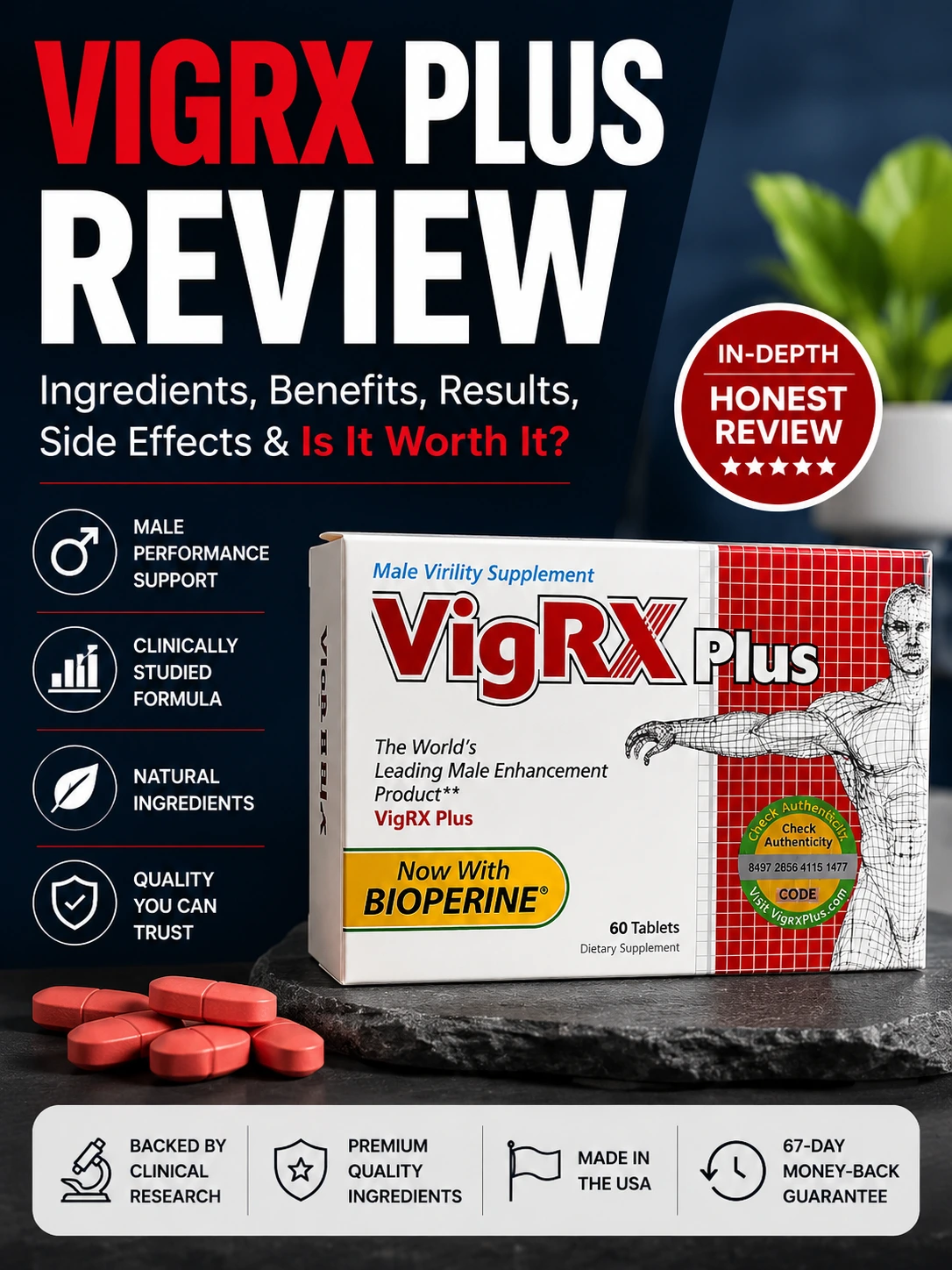
Healthy lifestyle habits can provide an important foundation for sexual wellness. Some men also choose to research supplements designed to support male sexual performance. Learn more about VigRX Plus and review the official product information before deciding whether it may be worth considering.
Can Poor Sleep Make It Harder to Stay Hard?
Sleep is easy to overlook when thinking about sexual performance, but consistently poor sleep can affect several areas of overall well-being.
When you are tired, you may have less energy, find it harder to concentrate, feel more stressed, or simply be less interested in sexual activity. These changes can affect the conditions surrounding intimacy and may influence sexual response for some people.
One bad night of sleep does not necessarily explain why you lost an erection. However, if poor sleep has become a regular part of your life, it may be worth looking at as part of the bigger picture.
Prioritizing a more consistent sleep routine can support physical recovery, energy levels, mood, and overall health. These benefits are not limited to sexual wellness, which is one reason sleep should be considered part of a broader healthy lifestyle.
Fatigue Can Change the Way You Respond During Intimacy
Being physically and mentally exhausted can change how engaged you feel during sex.
You may still become aroused and get an erection, but maintaining the same level of energy, focus, and arousal throughout intimacy may feel more difficult when you are extremely tired.
This can be especially relevant after a demanding day, long periods of poor sleep, intense physical activity without adequate recovery, or ongoing stress that leaves you mentally drained.
Again, fatigue is not the explanation for every erection problem. But if you notice a clear pattern between exhaustion and difficulty staying hard, improving recovery and sleep may be a sensible area to focus on.
Can Alcohol Make You Lose an Erection?
Alcohol can affect sexual response, particularly when consumed in larger amounts.
Some people feel more relaxed after drinking, which may initially reduce inhibition. However, feeling more relaxed does not necessarily mean that the body will respond more effectively throughout sexual activity.
If you notice that difficulty maintaining an erection happens more often after drinking, consider whether the amount of alcohol you consume may be contributing to the pattern.
Rather than assuming that alcohol improves sexual performance because it makes you feel less nervous, pay attention to how your body actually responds.
Reducing excessive alcohol consumption can also support broader health and well-being.
Smoking and Overall Vascular Health
Smoking can negatively affect overall health, including the health of blood vessels and circulation.
Because blood flow is relevant to erectile function, protecting cardiovascular and vascular health is part of supporting the broader conditions involved in sexual wellness.
If you smoke, quitting can be challenging, but reducing or stopping tobacco use can provide benefits that extend far beyond sexual function.
If you need help making changes, consider seeking support from an appropriate healthcare professional or smoking-cessation service.
Small Daily Habits Can Add Up Over Time
When people search for ways to stay hard longer, they often hope to find one immediate solution.
But daily habits can create the broader conditions that influence energy, cardiovascular health, stress, recovery, and overall well-being.
Useful areas to consider include:
- Getting sufficient and consistent sleep.
- Staying physically active.
- Eating a balanced and sustainable diet.
- Managing stress where possible.
- Avoiding excessive alcohol consumption.
- Protecting cardiovascular health.
- Making time for rest and recovery.
You do not need to change everything at once. A realistic routine that you can maintain is often more useful than making dramatic changes that disappear after a few weeks.
Look for Patterns in Your Own Lifestyle
One person’s experience may be different from another’s.
Instead of assuming that every recommendation will affect you in exactly the same way, pay attention to patterns in your own life.
Do you tend to lose your erection more often after drinking? Does the problem appear when you are severely tired? Is it more likely during particularly stressful periods? Or does it happen consistently regardless of your lifestyle or circumstances?
Looking for patterns can help you understand whether certain daily factors appear to be connected with changes in your sexual response.
However, tracking patterns is not the same as diagnosing yourself. If difficulties are persistent, worsening, or causing significant concern, professional advice may be more useful than endless self-experimentation.
The Main Takeaway: Your Daily Routine Can Influence the Bigger Picture
Sleep, fatigue, alcohol, smoking, stress, physical activity, and other daily habits can all influence aspects of your overall health and well-being.
Improving these areas may help support the conditions associated with healthy sexual function, but there is no single lifestyle change that guarantees you will always maintain an erection.
The goal is to build a healthier and more sustainable foundation rather than searching for a quick fix.
In the next section, we will look more closely at supplements and where products marketed for male sexual performance may fit into a realistic approach to supporting sexual wellness.
Can Supplements Help Support Sexual Performance?
Some men who experience changes in erection quality or difficulty staying hard choose to research supplements marketed for male sexual performance.
This is understandable, especially when someone is looking for additional support alongside healthier lifestyle habits.
However, it is important to approach supplements with realistic expectations.
A supplement is not automatically a solution to every reason an erection may fade. Difficulty maintaining an erection can involve physical health, stress, fatigue, alcohol, medications, relationship factors, changing arousal, and other individual circumstances.
For that reason, a supplement should not be viewed as a replacement for addressing persistent health concerns or improving the broader lifestyle factors that may be relevant.
What Should You Look for in a Male Performance Supplement?
If you decide to research a supplement, it can be helpful to look beyond the promises on the front of the bottle.
Before making a decision, consider questions such as:
- What ingredients does the product contain?
- What is the intended purpose of those ingredients?
- How is the product supposed to be used?
- Are there any precautions or warnings to consider?
- Does the company provide clear information about the formula?
- Are your expectations realistic?
Taking time to understand a product before purchasing it is generally more useful than choosing something simply because it promises an immediate or guaranteed result.
Individual responses can vary, and marketing claims should not be treated as a guarantee of a specific outcome.
Supplements Are Usually Part of a Bigger Picture
For men interested in supporting sexual wellness, supplements may be one area to explore, but they are only one part of the overall picture.
For example, taking a supplement while consistently getting very little sleep, drinking excessively, ignoring ongoing stress, and neglecting overall health may not address the factors contributing to the problem.
A more balanced approach is to think about sexual wellness as a combination of different areas:
- Overall physical health.
- Cardiovascular well-being.
- Regular physical activity.
- Sufficient sleep and recovery.
- Stress management.
- Balanced nutrition.
- Healthy lifestyle habits.
- Appropriate professional advice when persistent problems need attention.
Supplements, if you choose to use them, fit into this broader approach rather than replacing it.
Where Does VigRX Plus Fit In?
VigRX Plus is a male sexual performance supplement that some men choose to research when looking for additional support for sexual wellness.
Whether it is worth considering depends on your individual goals, health circumstances, and expectations.
It is sensible to review the product formula, ingredients, directions for use, and precautions before deciding whether it is appropriate for you.
You should also remember that no supplement can determine the exact reason why one individual is having persistent difficulty maintaining an erection.
If you want a more detailed look at the product itself, including its formula, intended use, potential benefits, and important considerations, you can read our complete VigRX Plus Review.
This can help you understand the product in more detail before making a purchasing decision rather than relying only on general marketing claims.
Be Careful With Claims That Promise an Instant Solution
Difficulty maintaining an erection can be frustrating, which makes quick-fix promises particularly appealing.
However, be cautious about any product or approach that suggests it can guarantee the same result for everyone or solve every possible cause of erection difficulties immediately.
Sexual response is individual, and persistent changes can have different contributing factors.
A more realistic approach is to understand what a product is designed for, maintain reasonable expectations, and avoid treating supplements as a substitute for professional evaluation when ongoing symptoms deserve attention.
When Should You Ask a Healthcare Professional About Supplements?
If you take prescription medications, have ongoing health concerns, or are unsure whether a supplement is appropriate for you, consider speaking with a qualified healthcare professional before using it.
This is especially important when you are trying to understand a persistent change in sexual function rather than simply looking for general wellness support.
A healthcare professional can consider your individual circumstances in a way that a general article or product description cannot.
Do not use online information alone to diagnose the reason behind persistent erection difficulties.
The Main Takeaway: Supplements May Be Worth Researching, but They Are Not a Complete Answer
Some men choose to explore male sexual performance supplements as part of their broader approach to sexual wellness.
But supplements should be researched carefully, used with realistic expectations, and considered alongside the lifestyle and health factors discussed throughout this guide.
If you are specifically interested in VigRX Plus, reviewing the formula and product information in detail can help you make a more informed decision. You can learn more in our VigRX Plus Review.
In the next section, we will look at an important question: when should difficulty staying hard be taken seriously, and when might it be worth speaking with a qualified healthcare professional?
When Should Difficulty Staying Hard Be Taken Seriously?
Losing an erection occasionally does not necessarily mean that something is seriously wrong.
Erection firmness can change because of temporary factors such as fatigue, stress, poor sleep, alcohol, distractions, changing levels of arousal, or the circumstances surrounding intimacy.
However, there is a difference between an occasional experience and a problem that becomes persistent.
If you regularly lose your erection and the pattern continues over time, it may be worth looking beyond temporary explanations and considering whether professional advice could help.
The purpose is not to create unnecessary anxiety. It is simply important not to ignore a persistent change in sexual function indefinitely.
Look for a Pattern Rather Than Judging One Experience
One disappointing sexual experience does not necessarily tell you very much about your overall sexual health.
Instead, look at what happens over time.
Consider whether the difficulty:
- Happens repeatedly rather than occasionally.
- Has continued for an extended period.
- Appears to be becoming more frequent.
- Occurs in different situations rather than only during periods of stress or fatigue.
- Is noticeably different from your usual sexual function.
- Is causing significant worry or affecting your relationship and quality of life.
A recurring pattern can provide more useful context than trying to interpret every individual experience on its own.
Persistent Changes Deserve More Attention Than Occasional Variation
Sexual response is not exactly the same every time, and expecting perfect consistency can create unnecessary pressure.
But if you used to maintain erections without difficulty and have noticed a clear, persistent change, it is reasonable to pay attention to it.
You do not need to assume the worst or try to diagnose yourself based on information online.
Instead, consider whether the change has become part of a broader pattern and whether there have been other changes in your health, energy levels, sleep, medications, or overall well-being.
A qualified healthcare professional can evaluate your individual circumstances more effectively than a general article can.
A Sudden or Noticeable Change May Also Be Worth Discussing
Some changes in sexual function develop gradually, while others may feel more noticeable or unexpected.
If you experience a significant change in your ability to maintain an erection and the change continues, it can be sensible to discuss it with a qualified healthcare professional.
This is particularly true if you cannot identify an obvious temporary factor and the difficulty is consistently different from your usual experience.
A professional can consider your broader health, lifestyle, medications, and other individual factors that cannot be assessed through a general online guide.
Pay Attention to Other Changes in Your Overall Health
Sexual function is connected to the rest of your body and overall well-being.
If persistent difficulty staying hard appears alongside other noticeable changes in your health, it may be even more useful to consider the bigger picture.
For example, you may want to discuss the situation with a qualified healthcare professional if you have also noticed:
- Significant or unexplained changes in energy levels.
- Major changes in sexual desire that concern you.
- Persistent sleep problems.
- Noticeable changes in your general physical well-being.
- Ongoing stress or emotional difficulties that are affecting daily life.
- Other new or worsening symptoms that concern you.
These changes do not automatically point to one specific cause. They simply reinforce why persistent sexual-health concerns are sometimes best considered as part of your overall health rather than in isolation.
Think About Recent Medication Changes
If you noticed changes in sexual function after starting, stopping, or changing a medication, pay attention to the timing.
Some medications may affect sexual function for some people, but you should not assume that a medication is responsible without discussing the situation with an appropriate healthcare professional.
Do not stop taking prescribed medication on your own simply because you think it may be affecting your erections.
The healthcare professional who prescribed it can consider your individual situation and discuss appropriate options.
Why Endless Self-Experimentation Is Not Always the Best Approach
When a problem feels embarrassing, it can be tempting to spend months searching online for answers instead of discussing it directly.
You might try changing your diet, taking a new supplement, exercising more, or following another piece of advice every few weeks.
Healthy lifestyle changes can be valuable, and researching supplements can be a personal choice. But endless self-experimentation may not tell you why a persistent problem is happening.
If difficulty maintaining an erection continues, professional advice can help move you away from guessing and toward a more individualized evaluation.
A qualified healthcare professional can consider your medical history, current medications, overall health, and the specific pattern of changes you are experiencing.
Supplements Do Not Replace Appropriate Medical Evaluation
Some men choose to research supplements as part of their approach to sexual wellness, including products such as VigRX Plus.
However, a supplement should not become a reason to indefinitely ignore a persistent change in sexual function.
Supplements and professional healthcare serve different purposes. A product may be researched as additional wellness support, while a healthcare professional can help assess individual concerns and possible contributing factors.
If you are considering VigRX Plus, review the ingredients, directions, and precautions carefully. If you take medications or have health concerns, consider discussing supplements with a qualified healthcare professional.
For a closer look at the product itself, you can also read our VigRX Plus Review.
The Main Takeaway: Persistent Problems Should Not Be Ignored
Occasionally losing an erection can happen, and one experience alone does not necessarily mean that there is a serious problem.
What matters more is the overall pattern.
If you repeatedly struggle to stay hard, notice a persistent change from your usual sexual function, feel that the problem is becoming worse, or are concerned about other changes in your health, it may be worth speaking with a qualified healthcare professional.
Healthy lifestyle habits and carefully researched supplements may form part of a broader approach to sexual wellness, but they should not replace appropriate attention to persistent concerns.
In the final part of this guide, we will answer some of the most common questions about getting an erection but struggling to stay hard and summarize the most practical lessons from everything covered in this article.
Frequently Asked Questions
Why can I get hard but not stay hard?
Being able to get an erection but losing firmness later can happen for different reasons. Changes in arousal, stimulation, distraction, stress, fatigue, alcohol, overall physical health, medications, and other factors may all be relevant. An occasional experience does not necessarily mean there is a serious problem, but a repeated pattern may be worth paying closer attention to.
Why do I lose my erection during sex?
An erection can fade during sex when arousal, stimulation, focus, comfort, or other circumstances change. For some men, stress or worrying about sexual performance can also become part of the pattern. Physical factors may also be relevant, especially when the difficulty happens consistently.
Can stress make you lose an erection?
Stress can affect how relaxed, focused, and engaged you feel during intimacy. Some men find that when their attention shifts toward worry or performance pressure, it becomes harder to maintain an erection. However, stress is not the only possible explanation for persistent erection difficulties.
Why do I get hard but lose my erection when changing positions?
A change in position can also involve a temporary change in stimulation, focus, comfort, or physical rhythm. An occasional loss of firmness during these transitions can happen. If the problem occurs repeatedly in many different situations, however, it may be useful to look at the broader pattern.
Can alcohol make it harder to stay hard?
Alcohol can affect sexual response, particularly when consumed in larger amounts. While drinking may initially make some people feel more relaxed, excessive alcohol consumption can interfere with normal sexual function. If you notice that difficulty maintaining an erection happens more often after drinking, that pattern may be worth considering.
Does poor sleep affect erection quality?
Consistently poor sleep can affect energy, mood, stress levels, recovery, and overall well-being. These factors may influence the conditions surrounding sexual response for some people. One bad night does not necessarily explain an erection problem, but long-term poor sleep can be part of the bigger lifestyle picture.
How can I stay hard during sex naturally?
A natural approach usually starts with looking at the broader factors that support sexual wellness. This may include regular physical activity, sufficient sleep, stress management, balanced nutrition, moderating alcohol, avoiding smoking, and paying attention to overall cardiovascular health. If performance anxiety is involved, reducing pressure and focusing less on constantly monitoring erection firmness may also help.
Can supplements help me stay hard?
Some men choose to research supplements designed for male sexual performance as part of their broader approach to sexual wellness. However, supplements are not a guaranteed solution for every reason an erection may fade. It is important to review ingredients, directions, precautions, and your individual circumstances before using any product.
When should I see a doctor about difficulty staying hard?
It may be worth speaking with a qualified healthcare professional if difficulty maintaining an erection becomes persistent, noticeably different from your usual sexual function, increasingly frequent, or is causing significant concern. Professional advice can also be helpful when you have other health changes, take medications, or are unsure what may be contributing to the problem.
Final Thoughts: Getting Hard but Not Staying Hard Does Not Always Have One Simple Explanation
If you can get an erection but struggle to maintain it, the experience can be frustrating, especially when it happens repeatedly.
But it is important to remember that getting hard and staying hard are influenced by more than one single factor.
Your level of arousal, stimulation, focus, stress, emotional state, sleep, fatigue, alcohol use, lifestyle, overall health, and other individual circumstances can all be part of the bigger picture.
That is why the most useful starting point is usually to look for patterns rather than assuming that every experience has the same cause.
An occasional loss of firmness can happen. However, if you repeatedly lose your erection or notice a persistent change in your sexual function, do not simply ignore the problem or rely indefinitely on guesswork.
Start by considering the lifestyle and situational factors discussed in this guide. Support your overall health, pay attention to patterns, and reduce unnecessary pressure around sexual performance.
If you choose to research supplements for additional sexual wellness support, approach them with realistic expectations and understand what the product is designed for. You can also learn more about one option by reading our complete VigRX Plus Review.
Most importantly, persistent concerns deserve appropriate attention. A qualified healthcare professional can help evaluate your individual situation in a way that a general online article cannot.
Taking a broader, more realistic approach can be more valuable than searching for one instant answer. Understanding the factors involved is the first step toward making better decisions about your sexual health and overall well-being.