Sexual Performance: Understanding the Factors That Can Affect Sexual Health
Because so many factors can influence sexual experiences, there is rarely one explanation for a change in sexual performance. A person may notice differences because of stress, tiredness, relationship circumstances, lifestyle habits, physical health, medications, or other individual factors.
It is also important to remember that sexual performance can naturally vary from one situation to another. One experience does not necessarily tell you everything about your overall sexual health.
This guide explores the main factors that may influence sexual performance and provides a practical framework for understanding the subject without reducing it to one product, supplement, or quick fix.
What Does Sexual Performance Mean?
Sexual performance does not have one universal definition.
For some men, the term may refer mainly to the ability to achieve and maintain an erection. For others, it may involve sexual desire, arousal, confidence, stamina, satisfaction, or the ability to remain comfortable and engaged during intimacy.
This distinction is important because different concerns can have different causes.
For example, a man may have normal sexual desire but experience occasional difficulty maintaining an erection. Another man may have no major erection concerns but experience reduced interest in sex or increased anxiety around sexual situations.
Understanding the specific issue is therefore a better starting point than assuming that every sexual performance concern requires the same solution.
Sexual Performance and Erection Quality
Erection quality is one component of sexual performance, but it is not the entire picture.
An erection involves communication between the brain, nervous system, blood vessels, and erectile tissue. Sexual arousal can increase blood flow to erectile tissue, allowing an erection to develop and be maintained.
Because several systems are involved, erection quality can be influenced by physical health as well as emotional and lifestyle factors.
Occasional changes are not necessarily a sign of a medical problem. However, persistent or recurring erection difficulties may deserve individual attention rather than being dismissed automatically as a normal part of ageing.
For a more specific discussion, see our guide to male enhancement and sexual health.
Blood Flow and Sexual Performance
Healthy circulation is an important part of the physical process involved in an erection.
During sexual arousal, signals in the body help increase blood flow into erectile tissue. This means that cardiovascular health can be relevant when considering persistent changes in erection quality.
However, it would be too simplistic to assume that every change in sexual performance is caused by circulation.
Stress, anxiety, tiredness, alcohol, medications, relationship circumstances, and other factors can all influence sexual experiences.
For more information, read our guide to blood flow and erectile health.
Sexual Arousal and Performance
Sexual arousal involves more than physical stimulation.
The brain, emotions, environment, relationship circumstances, and physical response can all contribute to how a person experiences sexual arousal.
Someone may therefore notice differences in sexual response depending on how relaxed, interested, tired, distracted, or emotionally comfortable they feel.
This is one reason why comparing one sexual experience with another may not always provide a useful indication of overall sexual health.
A temporary change in arousal does not automatically indicate a problem, particularly when there are obvious situational factors involved.
Stress and Sexual Performance
Stress can influence many areas of everyday life, including concentration, energy, mood, sleep, and relationships.
When someone is dealing with ongoing work pressure, financial concerns, relationship difficulties, or other sources of stress, it may become harder to relax and focus during intimacy.
Sexual performance can sometimes become another source of pressure. A person may begin worrying about whether they will maintain an erection, satisfy their partner, or perform in a particular way.
That concern can make intimacy feel more like a test than an enjoyable experience.
Reducing unnecessary performance pressure cannot guarantee a particular sexual outcome, but recognising the relationship between stress and sexual experiences can be useful.
If stress or anxiety is significantly affecting daily life, relationships, or sexual well-being, professional support may be appropriate.
Performance Anxiety and Self-Monitoring
Performance anxiety can develop when a person becomes increasingly concerned about how they will perform during intimacy.
After one difficult experience, it is possible to start anticipating the same problem the next time. During intimacy, this may lead to constant self-monitoring rather than focusing on arousal, connection, and the experience itself.
This does not mean that erection difficulties are always caused by anxiety. Physical health, medications, lifestyle factors, and other circumstances may still be relevant.
However, anxiety can sometimes become one part of a cycle in which concern about sexual performance creates additional pressure.
Understanding this possibility can help someone approach the issue more realistically rather than assuming that one disappointing experience means the same thing will happen every time.
Sleep, Energy, and Recovery
Sleep is another factor worth considering when looking at overall sexual well-being.
When someone is consistently tired, it can affect energy, concentration, mood, motivation, and the ability to manage everyday stress.
Sexual activity may also feel different when a person is exhausted compared with when they are well rested.
Recovery involves more than simply counting hours of sleep. Work demands, exercise, stress, daily routines, and time spent relaxing can all influence how recovered someone feels.
Improving sleep and recovery habits may therefore support broader well-being, although sleep alone cannot explain every change in sexual performance.
Physical Activity and Sexual Performance
Regular physical activity can support general cardiovascular fitness, physical health, energy, and stress management.
Walking, cycling, swimming, resistance training, and other forms of movement can contribute to an active lifestyle when they are appropriate for the individual.
The goal should not be to find one specific exercise that supposedly guarantees better sexual performance.
Instead, consistent physical activity can be considered one part of a broader approach to maintaining general health.
A sustainable routine is generally more practical than repeatedly starting intense programmes that are difficult to maintain.
Smoking, Alcohol, and Sexual Performance
Lifestyle habits can also be relevant to sexual health.
Smoking can affect cardiovascular health, while alcohol can influence sexual experiences depending on the amount consumed and the individual circumstances.
Some people may notice that larger amounts of alcohol make it more difficult to remain focused or respond physically during intimacy.
Occasional changes after drinking do not automatically indicate a long-term problem. However, if you notice a consistent relationship between alcohol consumption and your sexual response, that pattern may be worth considering.
Reducing or stopping smoking can also be an important general health goal. People who want to quit may benefit from professional support.
Diet and Nutrition
Nutrition is another part of the wider health picture.
There is no single food that can guarantee improved sexual performance, and claims about “miracle foods” should be treated cautiously.
A more realistic approach is to focus on an overall eating pattern that supports general health and cardiovascular well-being.
Eating a varied diet, maintaining appropriate energy intake, staying physically active, and avoiding extreme dietary approaches can all form part of a sustainable lifestyle.
Diet should be considered alongside other factors rather than treated as an isolated solution to sexual performance concerns.
Libido and Sexual Performance Are Different
Sexual desire and physical sexual response are related, but they are not identical.
Libido refers broadly to sexual desire or interest. Erection quality, on the other hand, refers to a physical response that can occur during sexual arousal.
A man can have sexual desire while experiencing difficulty with an erection. Conversely, someone may be physically capable of achieving an erection while experiencing reduced sexual interest.
This distinction matters because addressing one area does not necessarily address the other.
If reduced sexual desire is your primary concern, visit our male libido guide for more information.
Relationships and Communication
Sexual experiences do not happen in isolation.
Relationship dynamics, communication, emotional comfort, expectations, and mutual understanding can all influence how people experience intimacy.
Someone who feels worried about disappointing their partner may experience more pressure than someone who feels comfortable discussing concerns openly.
Communication cannot solve every physical or medical problem, but it can help reduce misunderstandings and unrealistic expectations.
It may also make it easier for partners to discuss changes in sexual function without treating them as a personal failure.
Age and Sexual Performance
Sexual function can change throughout life, but age alone does not determine sexual performance.
As people get older, they may experience changes in health, medications, activity levels, sleep, stress, relationships, or other circumstances that can influence sexual experiences.
It is therefore too simplistic to assume that every change is simply the unavoidable result of getting older.
If a change is persistent or noticeably different from your usual sexual function, considering the broader health picture may be more useful than automatically blaming age.
Medications and Sexual Function
Some medications may influence sexual function in certain individuals.
If you notice a significant change after starting, stopping, or changing a medication, the timing is worth discussing with the healthcare professional responsible for your care.
Do not stop or change prescribed medication on your own because of concerns about sexual performance.
A healthcare professional can consider whether a medication, another health factor, or a combination of circumstances may be relevant to your situation.
Sexual Performance Can Reflect the Bigger Health Picture
Sexual function is connected to several systems throughout the body, which is why persistent changes should not always be viewed as an isolated sexual issue.
Factors such as cardiovascular health, metabolic health, stress, sleep, medications, physical activity, and emotional well-being may all be relevant.
This does not mean that every change in sexual performance indicates an underlying disease.
It simply means that persistent or recurring changes deserve a more thoughtful approach than immediately assuming that a supplement or quick fix is the answer.
When Should You Seek Professional Advice?
Occasional changes in sexual performance are common and can happen for many situational reasons.
However, consider speaking with a qualified healthcare professional if erection difficulties or other sexual concerns become persistent, recurring, or significantly affect your quality of life or relationships.
Professional advice can also be useful when you are unsure whether medications, lifestyle factors, stress, or another aspect of your health may be involved.
Seeking advice does not mean assuming that something serious is wrong. It is simply a way to obtain an individual assessment instead of relying entirely on general information found online.
What About Sexual Wellness Products and Supplements?
Products marketed for male sexual wellness can include dietary supplements, herbal formulations, vitamins, minerals, and other ingredients.
The evidence behind individual ingredients can vary, and evidence for an ingredient does not automatically prove that an entire finished product will produce the same result.
When evaluating a product, consider the complete ingredient list, serving information, manufacturer details, claims, warnings, and available evidence.
Be especially cautious about products that promise guaranteed results, dramatic changes, or immediate improvements.
For a broader introduction, visit our male enhancement guide.
Male Sexual Wellness Product Reviews
If you are researching a specific product, it can be useful to look beyond promotional claims and examine the formulation, intended use, available evidence, and potential limitations.
Our product reviews are designed to provide additional context so readers can make more informed decisions.
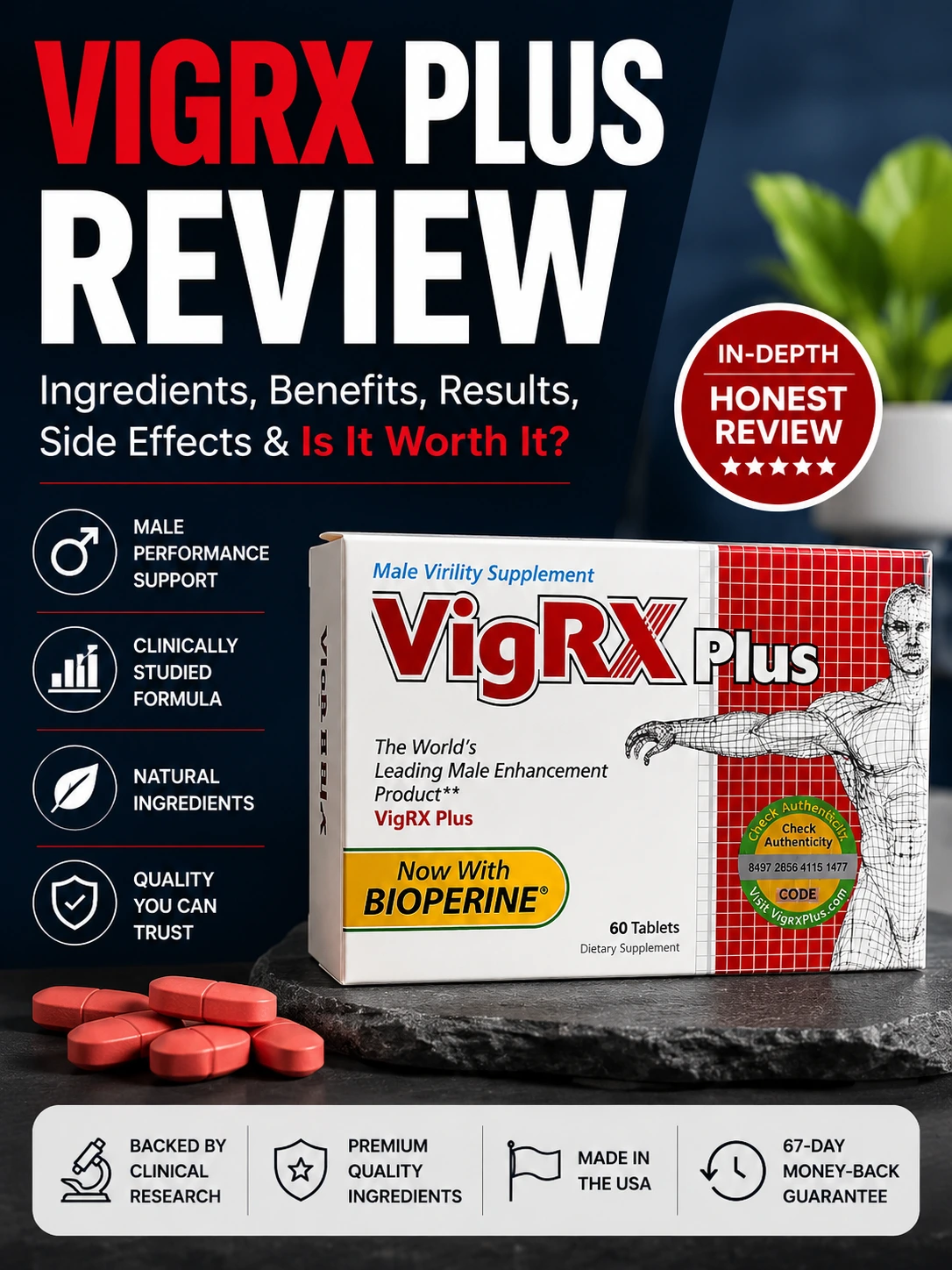
VigRX Plus Review
Read our VigRX Plus review for a detailed look at the product, its formulation, claims, and important considerations.
Semenax Review
For readers researching semen and ejaculation-related products, our Semenax review provides a separate overview of Semenax and its formulation.
Frequently Asked Questions About Sexual Performance
What does sexual performance mean?
Sexual performance is a broad term that can include erection quality, sexual desire, arousal, confidence, stamina, emotional comfort, and satisfaction during intimacy.
Why can sexual performance vary from one situation to another?
Sexual response can be influenced by many factors, including stress, tiredness, alcohol, emotional circumstances, relationship dynamics, physical health, and medications. A single experience does not necessarily indicate a lasting problem.
Is erection quality the same as sexual performance?
No. Erection quality is one component of sexual performance. Sexual performance can also involve libido, arousal, confidence, emotional well-being, communication, and other factors.
Can stress affect sexual performance?
Stress and anxiety can influence attention, relaxation, mood, and confidence during intimacy. Performance pressure can also add another layer of concern for some people.
Can lifestyle habits affect sexual performance?
Lifestyle factors such as physical activity, smoking, alcohol consumption, sleep, diet, and stress management can all be relevant to broader health and sexual well-being.
When should I talk to a healthcare professional?
If sexual difficulties become persistent, recurring, or significantly concerning, professional advice can help identify whether physical health, medications, emotional factors, lifestyle habits, or other circumstances may be relevant.
Are sexual enhancement supplements guaranteed to work?
No supplement should be assumed to provide guaranteed results. Evidence can vary between ingredients and products, so it is important to review product information and claims carefully and maintain realistic expectations.
Final Thoughts on Sexual Performance
Sexual performance is not a single measurement and should not be reduced to erection firmness or the ability to perform in a particular way.
Sexual health involves several interconnected areas, including physical health, circulation, libido, arousal, sleep, stress, lifestyle habits, emotional well-being, and relationships.
If you occasionally experience a different sexual response, consider the circumstances surrounding that experience before assuming that something is wrong.
If changes become persistent or concerning, however, an individual assessment from a qualified healthcare professional can be much more useful than trying to diagnose the cause yourself.
At Male Health Shop, our goal is to provide educational information that helps you understand the different factors involved in men’s sexual health and evaluate sexual wellness products with realistic expectations.