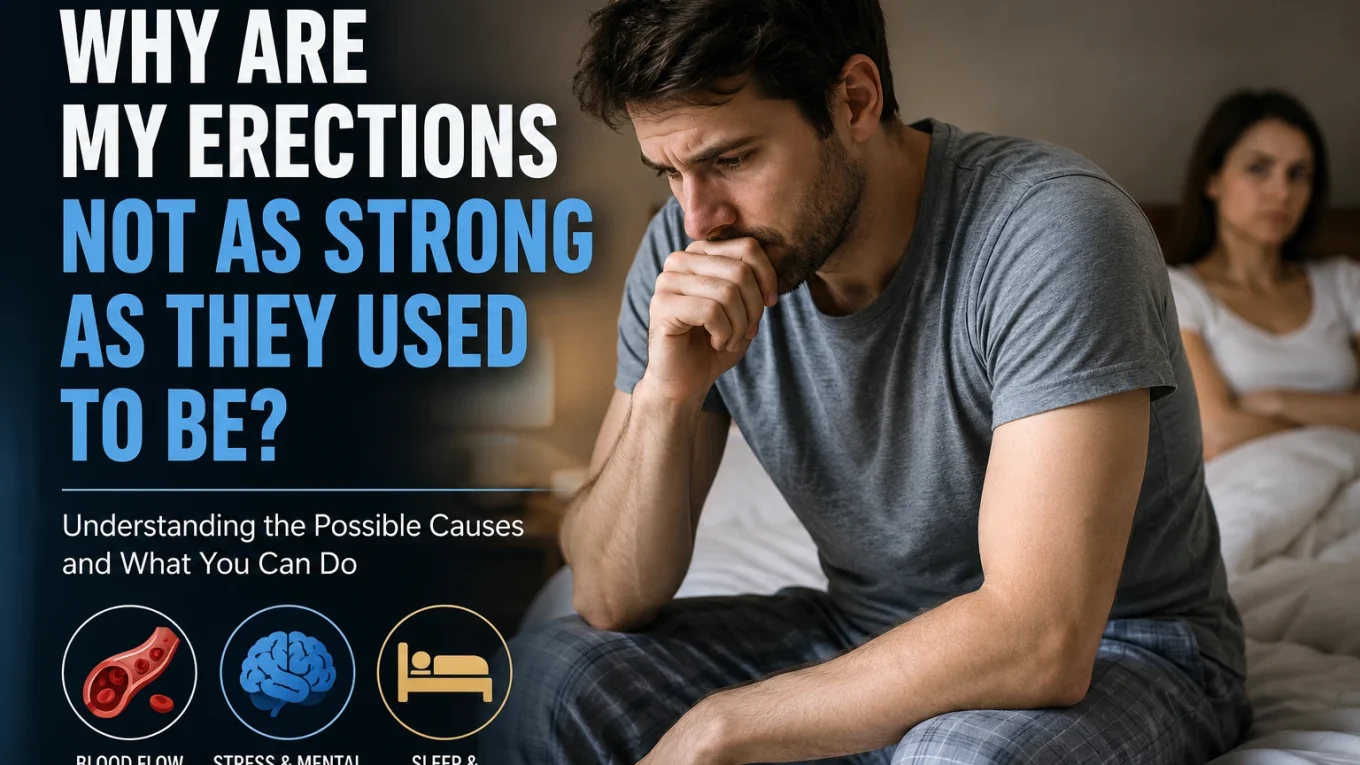
Why Are My Erections Not as Strong as They Used to Be?
If your erections do not feel as firm, reliable, or easy to maintain as they once did, you are not necessarily alone—and it does not automatically mean that there is one simple cause.
Erection changes can happen for many different reasons. Blood flow, hormone levels, nerve function, stress, sleep, medication use, lifestyle habits, and underlying health conditions can all play a role. In many cases, more than one factor may be involved at the same time.
An occasional weaker erection is not necessarily a sign of a long-term problem. Fatigue, stress, alcohol use, temporary anxiety, or simply an off day can affect sexual performance. However, if erections have become consistently less firm or more difficult to maintain, it may be worth looking more closely at what has changed.
This guide explains some of the most common reasons erections may not feel as strong as they used to be, what changes may be temporary, and when persistent symptoms deserve more attention.
Quick Answer: Why Are My Erections Getting Weaker?
Weaker erections can result from changes in blood flow, sexual arousal, hormones, nerve function, mental health, lifestyle habits, medications, or underlying medical conditions. The reason is not always obvious, and some men experience a combination of physical and psychological factors.
For example, a period of stress or poor sleep may temporarily affect sexual performance. At the same time, conditions that affect blood vessels, metabolism, hormones, or nerves may contribute to more persistent erection problems.
The key difference is often the pattern. If the problem happens occasionally and appears connected to temporary factors such as exhaustion or stress, it may improve when those factors change. If erections have become consistently weaker over time, happen across different situations, or are accompanied by other changes in health or sexual function, it is worth taking the issue more seriously.
The Short Version
- An occasional weaker erection can happen to anyone.
- Persistent changes may have physical, psychological, lifestyle-related, or mixed causes.
- Getting older can change sexual response, but weaker erections should not automatically be dismissed as simply an unavoidable part of aging.
- Blood flow, cardiovascular health, diabetes, hormone issues, certain medications, stress, anxiety, smoking, alcohol use, and poor lifestyle habits can all be relevant factors.
- Finding the underlying reason is more useful than assuming that one product or one solution will work for everyone.
Is It Normal for Erections to Change With Age?
Sexual response can change as men get older. An erection may take longer to develop, more direct stimulation may be needed, or recovery between sexual activity may feel different than it did years earlier.
But there is an important distinction between changes that can occur with aging and assuming that persistent erection problems are simply something a man has to accept because of his age.
Age itself is only part of the picture. As people get older, other factors that can affect erectile function may also become more common. These can include changes in cardiovascular health, blood pressure, cholesterol, body weight, blood sugar regulation, medication use, sleep, and hormone levels.
That means asking, “Why aren’t my erections as strong as they used to be?” may require looking beyond age alone.
For some men, the change may be gradual. They may notice that erections are still possible but require more stimulation or are less reliable than before. Others may notice difficulty maintaining firmness throughout sexual activity. These patterns can have different contributing factors, which is why there is no single explanation that applies to everyone.
An Occasional Weak Erection Is Different From a Persistent Change
Almost every man can experience an occasional erection that does not develop as expected or does not remain firm for as long as desired. This can happen during periods of stress, tiredness, illness, excessive alcohol consumption, distraction, or performance anxiety.
A single experience does not necessarily tell you much about your overall sexual health.
The situation becomes more important when you begin noticing a consistent pattern, such as:
- Erections becoming noticeably less firm over time.
- Increasing difficulty getting an erection.
- Being able to get an erection but losing it before or during sexual activity.
- Experiencing the problem repeatedly rather than occasionally.
- Noticing other changes, such as reduced sexual desire or changes in general health.
Persistent erection problems are often described medically as erectile dysfunction when a person repeatedly has difficulty getting or keeping an erection firm enough for sexual activity. However, the experience can exist on a spectrum. Some men may not feel that they have completely lost the ability to achieve an erection—they may simply notice that their erections are no longer as strong, consistent, or dependable as they once were.
That distinction matters because it can encourage a person to pay attention to changes early rather than waiting until the problem becomes more severe.
Why There Is Rarely Just One Cause
An erection is not controlled by one body system alone. It depends on communication between the brain, nerves, hormones, emotions, and blood vessels.
Sexual arousal begins with the brain. Signals then travel through the nervous system and help trigger changes that allow more blood to flow into erectile tissue. For an erection to develop and remain firm, several processes need to work together.
This is one reason erection problems can sometimes be complicated.
A man may have generally healthy blood flow but be experiencing significant stress or performance anxiety. Another person may feel psychologically relaxed but have an underlying health condition affecting blood vessels or hormones. Someone else may have several smaller factors working together—poor sleep, reduced physical activity, weight gain, stress, and medication use, for example.
In other words, weaker erections are often better understood as a signal to look at the bigger picture rather than as a problem with one universal cause.
Important to Remember
Trying to identify the cause yourself can be difficult. Persistent changes in erectile function may sometimes be associated with health conditions that deserve medical attention. If the problem continues, becomes worse, or concerns you, speaking with a qualified healthcare professional can help identify possible contributing factors.
So What Changes an Erection in the First Place?
To understand why erections may become weaker, it helps to first understand what needs to happen for an erection to become firm.
In the next section, we will look at the role of blood flow, the nervous system, sexual stimulation, and the body’s ability to maintain an erection. From there, we can examine the specific factors that may interfere with those processes.
How Does an Erection Actually Work?
An erection may seem simple from the outside, but it depends on several systems in the body working together at the right time. The brain, nerves, blood vessels, hormones, emotions, and erectile tissue can all play a role.
Sexual stimulation can begin through physical touch, thoughts, visual stimulation, emotional connection, or a combination of different factors. The brain processes that stimulation and sends signals through the nervous system.
Those signals help trigger changes in the blood vessels and smooth muscle within the penis. As blood flow increases, the erectile tissue begins to fill with blood. At the same time, the mechanisms that normally allow blood to leave the area become restricted enough to help maintain firmness.
In simple terms, a firm erection depends on two important things:
- Enough blood flowing into the erectile tissue.
- The ability to retain enough of that blood to maintain firmness.
If something interferes with the signals from the brain, nerve function, blood flow, vascular health, sexual arousal, or the body’s ability to maintain an erection, the result may be an erection that feels less firm or more difficult to sustain.
This is why asking why erections have become weaker does not always have one simple answer. The problem can develop at different points in the process.
The Brain, Nerves and Sexual Arousal
Many people think of erections primarily as a physical issue, but the brain plays an important role from the beginning.
Sexual arousal involves the brain responding to stimulation and sending signals that support the physical processes involved in an erection. If a person is distracted, anxious, exhausted, depressed, under significant stress, or worried about sexual performance, those mental and emotional factors may interfere with arousal.
This does not mean that erection problems are “all in your head.” Physical and psychological factors can interact with each other.
For example, a man might experience one weaker erection because he is tired or stressed. That experience can then create concern before the next sexual encounter. He may begin wondering whether it will happen again, paying close attention to whether his erection is developing or remaining firm.
That increased focus and anxiety can itself make it harder to relax and become fully aroused. Over time, this can create a cycle:
A weaker erection → concern about performance → increased anxiety → reduced relaxation or arousal → another weaker erection.
Of course, this pattern does not explain every case. But it shows why sexual function should not always be separated into a purely physical problem or a purely psychological one. For many people, the two can overlap.
Why Blood Flow Matters So Much for Erection Quality
Blood flow is one of the most important physical factors involved in erection quality.
During sexual arousal, blood flow to the erectile tissue increases. As that tissue fills, pressure builds and helps create firmness. For an erection to remain strong enough for sexual activity, the vascular system needs to respond effectively.
This means that anything affecting the health and function of blood vessels may potentially be relevant to erectile function.
Over time, factors associated with reduced vascular health can make it more difficult for blood vessels to respond as efficiently as they once did. This may be one reason some men notice gradual changes rather than suddenly losing the ability to achieve an erection.
Someone might still be able to get an erection but notice that:
- It takes longer to become fully firm.
- More direct stimulation is needed.
- The erection does not feel as hard as before.
- Firmness is more difficult to maintain.
- Erection quality varies more from one occasion to another.
These changes do not automatically reveal the exact cause, but they can be useful signs that something in the overall process has changed.
Erections and the Health of Your Blood Vessels
Blood vessels do much more than support sexual function. They are part of the body’s wider cardiovascular system, which delivers blood and oxygen to tissues throughout the body.
Because an erection requires a healthy vascular response, erectile changes can sometimes occur alongside other factors affecting cardiovascular and metabolic health.
Examples of factors that may be relevant include:
- High blood pressure.
- Changes in cholesterol levels.
- Diabetes or problems with blood sugar regulation.
- Smoking.
- Low levels of physical activity.
- Excess body weight.
- Other conditions that can affect blood vessels or circulation.
It is important not to assume that weaker erections automatically mean a person has one of these conditions. Many other factors can contribute. However, persistent changes in erectile function can be a useful reason to take overall health seriously rather than focusing only on sexual performance.
In some cases, addressing broader lifestyle and health factors may be just as important as looking for a short-term solution.
But Blood Flow Is Not the Only Piece of the Puzzle
Although blood flow is essential, stronger circulation alone does not explain every aspect of erectile function.
A person also needs sufficient sexual arousal, effective nerve signaling, functioning erectile tissue, and an appropriate hormonal and psychological environment. This is why two men with apparently similar lifestyles may experience very different sexual changes.
One person may primarily struggle with stress and performance anxiety. Another may have a medication-related issue. Someone else may be dealing with several factors at once, such as poor sleep, reduced physical activity, weight gain, and changes in general health.
That is also why there is no single “best solution” for every man experiencing weaker erections.
Understanding what may be contributing to the change is usually more useful than immediately searching for a product that promises the same result for everyone.
What About Morning Erections?
Some men notice changes in their morning erections and wonder whether this provides a clue about what is happening.
Morning erections can occur as part of normal sleep-related physiological processes. Their frequency and strength may vary from person to person and can also change depending on sleep quality, stress, age, general health, and other factors.
Occasionally having fewer or weaker morning erections does not automatically identify a medical problem. Likewise, having morning erections does not necessarily rule out every possible cause of erection difficulties during sexual activity.
However, patterns can sometimes be useful to discuss with a healthcare professional when evaluating persistent changes.
For example, a person who continues to experience normal spontaneous or morning erections but regularly struggles during partnered sexual activity may have different contributing factors than someone who notices a broader and more consistent change in erectile function.
The point is not to self-diagnose based on one sign. It is to look at the overall pattern.
Temporary Changes vs. Ongoing Changes in Erection Quality
Blood flow and sexual function can also change temporarily.
A poor night’s sleep, a stressful week, heavy alcohol use, illness, lack of exercise, or emotional distraction may affect sexual response without representing a permanent problem.
This is one reason it can be helpful to ask a few broader questions when erections do not feel as strong as before:
- Has the change happened once, occasionally, or consistently?
- Did it begin suddenly or gradually?
- Has anything changed in your sleep, stress level, relationship, or daily routine?
- Have you started taking any new medications?
- Are there other changes in libido, energy, mood, or general health?
- Does the problem happen in every situation or only under certain circumstances?
The answers may not provide a diagnosis, but they can help create a clearer picture of whether the problem appears temporary, situational, or persistent.
The Key Takeaway: An Erection Depends on More Than One System
If your erections are not as strong as they used to be, blood flow is an important area to consider—but it is only one part of a much larger process.
Sexual stimulation begins in the brain. Nerve signals help trigger physical changes. Blood flow supports firmness. The body must also maintain the erection, while factors such as hormones, stress, sleep, medications, and overall health can influence the process.
That complexity helps explain why an effective approach should begin with understanding possible contributing factors rather than assuming that every weaker erection has the same cause.
Next, we will look more closely at several of the factors that can affect erection quality over time, beginning with cardiovascular and metabolic health.
Cardiovascular Health Can Affect More Than Your Heart
Because erections depend heavily on a healthy vascular response, cardiovascular health can be relevant when erection quality changes over time.
Conditions and risk factors that affect blood vessels may also affect the body’s ability to deliver and regulate blood flow efficiently. High blood pressure, unhealthy cholesterol levels, smoking, diabetes, obesity, and low levels of physical activity are among the factors that may be associated with erectile difficulties.
This does not mean that every man with weaker erections has cardiovascular disease. Nor does it mean that a weaker erection can identify a specific health condition on its own.
What it does mean is that persistent changes in erectile function should not always be viewed as an isolated bedroom problem. In some cases, they can be part of a broader health picture involving blood vessels, circulation, metabolism, or other systems.
That is one reason healthcare professionals may consider a person’s general health, medical history, medications, and cardiovascular risk factors when evaluating ongoing erectile difficulties.
Think Beyond the Immediate Symptom
If erections have become consistently weaker, it may be tempting to focus only on finding something that improves sexual performance. But understanding why the change is happening can be just as important—especially when other health changes or risk factors are present.
Metabolic Health and Blood Sugar May Also Play a Role
Metabolic health refers broadly to how the body manages processes such as blood sugar, body weight, and energy use. Problems in these areas can affect several body systems, including blood vessels and nerves.
Diabetes is one example of a condition that can be associated with erectile dysfunction. Over time, poorly controlled blood sugar can affect blood vessels and nerves that are involved in sexual function.
This does not mean that every man who experiences weaker erections has diabetes. However, when erection changes occur alongside other symptoms or known metabolic health concerns, it may be worth discussing the situation with a qualified healthcare professional.
More broadly, factors such as reduced physical activity, significant weight changes, poor diet quality, and problems with blood sugar regulation can contribute to overall health in ways that may also influence sexual function.
For this reason, improving erection quality is not always about focusing on the penis alone. Supporting broader cardiovascular and metabolic health may also be part of a more complete approach.
Stress Can Make Erections Feel Less Reliable
Stress does not stay neatly separated from sexual function.
When a person is under significant pressure, the body and mind may be focused on work, financial concerns, family responsibilities, health worries, or other sources of stress. This can make it harder to relax, focus on sexual stimulation, and become fully aroused.
Stress may also affect sleep, energy levels, mood, and relationship dynamics. As a result, its influence on sexual function can be both direct and indirect.
A man may notice that erections are stronger when he feels rested and relaxed but less reliable during periods of intense pressure. This type of pattern can provide useful context, although it does not necessarily rule out physical causes.
The important point is that psychological and physical factors often overlap. A person can have stress-related changes in sexual performance while also having lifestyle or health factors that affect erectile function.
How Performance Anxiety Can Create a Difficult Cycle
One disappointing sexual experience can sometimes create concern about the next one.
A man who previously had no major concerns may experience a weaker erection because of fatigue, stress, alcohol, distraction, or another temporary factor. If he then begins worrying that the same thing will happen again, sexual activity itself can become a source of pressure.
Instead of focusing on arousal, pleasure, or connection, he may start monitoring his erection and asking himself questions such as:
- Am I getting hard enough?
- Will I lose my erection?
- Will my partner notice something is wrong?
- What if this happens again?
That constant self-monitoring can make it more difficult to relax. The body may then be less responsive to sexual stimulation, reinforcing the original concern.
Temporary problem → worry about performance → increased pressure → reduced relaxation → another disappointing experience → more worry.
Breaking this cycle may require addressing the underlying stress rather than simply searching for a stronger or faster solution. Open communication with a partner, reducing pressure around sexual performance, improving sleep, and seeking professional support when anxiety becomes persistent can all be relevant depending on the situation.
If erection changes happen regularly, however, it is still important not to automatically assume that anxiety is the only explanation.
What About Hormones and Testosterone?
Testosterone is often one of the first things people think about when they notice changes in sexual function. But the relationship between testosterone and erections is more complicated than many advertisements suggest.
Testosterone plays an important role in male sexual health, particularly in areas such as libido and sexual desire. Low testosterone can also be associated with other symptoms, including changes in energy, mood, and body composition.
However, weaker erections do not automatically mean that a man has low testosterone.
Erection quality depends heavily on blood flow, nerve function, sexual arousal, and other physical and psychological factors. A man may have normal testosterone levels and still experience erection difficulties for other reasons.
Likewise, someone with low testosterone may experience changes in libido without necessarily having the same pattern of erectile difficulties as another person.
This is why it is usually better to avoid assuming that every sexual-performance issue is a “low testosterone problem.”
When Might Hormonal Changes Be Worth Discussing?
A healthcare professional may consider hormone-related factors when changes in erection quality occur alongside other symptoms.
For example, some men may notice a broader pattern involving:
- A significant or persistent reduction in sexual desire.
- Changes in energy or motivation.
- Changes in mood.
- Changes in body composition or physical strength.
- Other symptoms that raise questions about hormonal health.
These symptoms can have many possible causes, so they should not be used to self-diagnose low testosterone.
If there is a genuine concern about hormone levels, appropriate medical evaluation and testing are more useful than relying on symptoms alone or assuming that a supplement marketed for testosterone support will address the underlying issue.
For Many Men, Several Small Factors Add Up
One of the most useful ways to think about weaker erections is to avoid searching for one explanation too quickly.
Consider a man who has recently been sleeping poorly, exercising less, gaining weight, feeling stressed at work, and drinking more alcohol than usual. None of those factors necessarily has to explain the entire change by itself.
Together, however, they may influence energy levels, cardiovascular health, sexual desire, psychological well-being, and the body’s overall ability to respond to sexual stimulation.
This is why sexual health is often connected to the bigger picture of a person’s physical and emotional health.
Before looking for a single product or solution, it can be useful to ask:
- What has changed recently?
- Has my sleep changed?
- Am I under more stress than usual?
- Has my physical activity level decreased?
- Have my eating or drinking habits changed?
- Have I started a new medication?
- Have I noticed changes in libido, energy, mood, or general health?
The answers will not necessarily identify the cause, but they can help reveal patterns that deserve more attention.
The Bigger Picture Matters
Cardiovascular health, metabolic health, stress, anxiety, and hormones can all potentially influence sexual function. For some men, one factor may be particularly important. For others, several factors may overlap.
That is why persistent weaker erections should not automatically be blamed on age, testosterone, stress, or “poor circulation” without considering the broader context.
In the next section, we will look at several other commonly overlooked factors, including sleep, fatigue, medications, alcohol, smoking, physical activity, and everyday lifestyle habits.
Can Poor Sleep Affect Erection Quality?
Sleep is closely connected to many aspects of physical and mental health, including energy, mood, hormone regulation, and cardiovascular function. For that reason, consistently poor sleep can also affect sexual well-being.
After a single bad night of sleep, some men may simply feel tired, distracted, or less interested in sex. During longer periods of poor sleep, however, the effects may become broader. Fatigue can reduce energy, increase stress, affect mood, and make it more difficult to feel mentally and physically responsive during sexual activity.
Sleep is also one reason erection quality can vary from one day to another. A man may notice that his sexual response feels different after several nights of poor sleep compared with periods when he feels rested.
That does not mean poor sleep is always the direct cause of weaker erections. But if sleep quality has changed around the same time as sexual function, it is a factor worth considering.
Useful questions to ask include:
- Am I getting enough sleep most nights?
- Do I wake up feeling rested?
- Has stress recently affected my ability to sleep?
- Has my work schedule changed?
- Do I regularly stay awake much later than I used to?
Improving sleep may not solve every erection problem, but better sleep can support the broader physical and psychological conditions involved in healthy sexual function.
Fatigue Can Change More Than Your Energy Level
Being tired does not only make exercise or work feel more difficult. Persistent fatigue can also influence mood, concentration, motivation, and sexual interest.
When the body is exhausted, sexual activity may simply not be a priority. A person may still want intimacy but find it harder to become fully aroused or maintain focus during sexual activity.
Fatigue can also interact with other factors. For example, poor sleep may increase stress, while stress can make sleep even worse. Reduced energy may lead to less physical activity, and lower activity levels can affect general health over time.
This is another example of why weaker erections are sometimes connected to a combination of smaller changes rather than one obvious cause.
If persistent fatigue is affecting daily life as well as sexual function, it may be worth looking beyond the bedroom and discussing possible causes with a qualified healthcare professional.
Could a Medication Be Affecting Your Erections?
Some medications can affect sexual function in certain people. Depending on the medication and the individual, possible changes may involve sexual desire, arousal, the ability to achieve an erection, or the ability to maintain one.
Medication-related sexual side effects can be complicated because the underlying condition being treated may also influence sexual function.
For example, a person taking medication for high blood pressure may experience changes related to the medication, the underlying cardiovascular condition, or a combination of both. Similar questions can arise with some medications used for mental health conditions, pain, hormonal conditions, and other health concerns.
If you noticed a change in erection quality after starting, stopping, or changing a medication, it is worth mentioning this to the healthcare professional who prescribed it.
Do Not Stop Prescription Medication on Your Own
Do not stop or change a prescribed medication simply because you suspect it may be affecting sexual function. A healthcare professional can help evaluate whether the medication, dosage, underlying condition, or another factor may be involved and discuss appropriate options.
Alcohol May Affect Sexual Performance
Alcohol can affect sexual response in several ways. While some people may initially feel more relaxed after drinking, larger amounts of alcohol can interfere with the nervous system and make it more difficult to achieve or maintain an erection.
An occasional night involving more alcohol than usual may lead to a temporary change in sexual performance. That does not necessarily indicate a long-term erection problem.
However, frequent heavy alcohol use can also affect broader areas of health that are relevant to sexual function, including sleep, mood, hormones, and general physical well-being.
If erections are consistently less reliable and alcohol use has increased, reducing consumption may be one of several lifestyle factors worth examining.
Smoking and Vascular Health
Because blood flow is so important for erection quality, habits that affect blood vessel health can also be relevant to sexual function.
Smoking is associated with negative effects on cardiovascular and vascular health. Over time, this may affect the body’s ability to maintain the healthy blood vessel function needed for an effective erectile response.
Stopping smoking can be challenging, but erectile function is another reason to consider the broader benefits of improving vascular health.
It is also important to remember that sexual health is only one part of the picture. Changes that support healthier blood vessels may also benefit other aspects of long-term health.
Does Physical Activity Matter?
Regular physical activity supports several systems that are relevant to sexual health. Depending on the type and amount of activity, exercise can support cardiovascular fitness, circulation, body composition, stress management, energy levels, and general well-being.
This does not mean that one particular workout will immediately produce stronger erections. Sexual function is more complicated than that.
However, a consistently inactive lifestyle can contribute to a broader pattern of reduced cardiovascular fitness and metabolic health. Over time, those factors may become increasingly relevant to erectile function.
A more useful goal is usually to think about physical activity as part of long-term health rather than as a quick fix for one sexual performance concern.
For someone who has been inactive, even beginning with manageable changes may be more realistic than trying to transform everything overnight.
Body Weight, Daily Habits and the Bigger Picture
Body weight alone does not explain every change in erectile function. However, significant changes in body weight can occur alongside other factors involving cardiovascular health, metabolism, physical activity, hormone balance, and psychological well-being.
This is why it can be more useful to focus on overall habits rather than treating one number on a scale as the entire explanation.
Consider the broader pattern:
- How physically active are you compared with the past?
- Has your diet changed significantly?
- Are you sleeping well?
- How often do you drink alcohol?
- Do you smoke?
- Has stress become a regular part of daily life?
- Have you noticed changes in energy or general health?
When several lifestyle factors have changed at the same time, improving only one may not tell the whole story. A more comprehensive approach may be more useful.
Your Relationship and Sexual Context Can Matter Too
Erection quality does not exist separately from the context in which sexual activity happens.
Relationship tension, lack of communication, emotional distance, fear of disappointing a partner, or pressure to perform can all influence how relaxed and sexually responsive a person feels.
This does not mean that relationship issues are responsible for every erection problem. Physical factors should not be dismissed simply because a person is experiencing stress in a relationship.
But sexual function can be affected by emotional context. A man may notice different patterns depending on whether he feels relaxed, connected, pressured, distracted, or anxious.
Looking honestly at these factors can sometimes provide useful insight into why erection quality changes in certain situations.
Sometimes Small Lifestyle Changes Add Up
Many men look for one major explanation when their erections are not as strong as they used to be. But sometimes the change develops gradually through a combination of smaller factors.
Imagine several changes happening over a few years:
- Less exercise.
- More sitting.
- Gradual weight gain.
- Poorer sleep.
- Higher stress.
- More frequent alcohol use.
- Less time for intimacy or relaxation.
No single change necessarily explains everything. But together, they may affect the physical and psychological conditions involved in sexual function.
This is why the best response is not always to search immediately for a stronger supplement or a faster solution. Sometimes the first step is simply identifying what has changed and deciding which factors are within your control.
Take a Step Back and Look at the Full Picture
Sleep, fatigue, medications, alcohol, smoking, physical activity, and everyday lifestyle habits can all potentially influence erection quality.
Some changes may be temporary. Others may gradually become part of a larger pattern involving physical health, stress, or aging.
If your erections are not as strong as they used to be, the most useful question may not be, “What product will fix this?” Instead, it can be helpful to ask, “What has changed, and which factors may be contributing?”
In the next section, we will move from possible causes to practical action: what you can do to support healthy erectile function, when lifestyle changes may help, and when it is important to seek medical advice.
What Can You Do If Your Erections Are Not as Strong as They Used to Be?
If you have noticed a persistent change in erection quality, the most useful approach is usually to avoid assuming that one solution will work for everyone.
Because erections depend on blood flow, nerve function, sexual arousal, mental well-being, hormones, and overall health, the right next step depends on what may be contributing to the change.
For some men, the problem may improve after addressing temporary factors such as stress, poor sleep, fatigue, or excessive alcohol use. For others, a longer-term change in erectile function may deserve a broader medical evaluation.
A practical approach often begins with three questions:
- Is this change occasional or persistent?
- Have any lifestyle, health, medication, or emotional factors changed?
- Are there other symptoms or health concerns that should be discussed with a healthcare professional?
The goal is not to diagnose yourself. It is to understand the pattern well enough to make better decisions about what to do next.
Start by Looking at Your Overall Health
Persistent erection changes can be a reason to take a broader look at your health rather than focusing only on sexual performance.
If you have not had a recent health check, it may be useful to discuss relevant concerns with a qualified healthcare professional. Depending on your individual situation, this may include talking about cardiovascular health, blood pressure, blood sugar, cholesterol, medications, hormone-related concerns, and other factors.
This is especially important when weaker erections occur alongside other changes in health.
Seeking medical advice does not necessarily mean that something serious is wrong. It simply provides an opportunity to investigate possible contributing factors rather than relying on guesswork.
A Supplement Should Not Replace Proper Evaluation
If erectile changes are persistent, worsening, or accompanied by other concerning symptoms, using a supplement as a substitute for appropriate medical evaluation may not address the underlying cause.
Improve the Foundations That Support Sexual Health
There is no lifestyle checklist that guarantees stronger erections. However, several habits can support areas of health that are closely connected to sexual function.
Prioritize Better Sleep
Consistently poor sleep can affect energy, mood, stress levels, and overall physical health. If your sleep has become worse, improving your sleep routine may be one practical area to address.
This can include maintaining a more consistent sleep schedule, reducing habits that regularly interfere with sleep, and discussing persistent sleep problems with a healthcare professional.
Stay Physically Active
Regular physical activity supports cardiovascular health, circulation, energy, body composition, and stress management. These benefits may also be relevant to the broader systems involved in sexual function.
The best approach is usually one that you can maintain consistently. You do not necessarily need an extreme exercise routine to begin becoming more active.
Reduce Factors That May Work Against Vascular Health
Smoking, frequent heavy alcohol use, prolonged inactivity, and other unhealthy habits can affect broader aspects of physical health. Addressing these factors may support more than sexual function alone.
Pay Attention to Stress
If stress or performance anxiety appears to be part of the problem, simply focusing harder on erection quality may make the situation worse. Reducing pressure, improving communication, making time for relaxation, and addressing persistent anxiety can be important parts of the solution.
Why a Quick-Fix Mindset Can Be Misleading
When sexual performance changes, it is understandable to want a fast solution.
The internet is full of products and claims promising stronger erections, greater sexual stamina, higher libido, or improved male performance. But products do not all work in the same way, and marketing language does not always explain who a product may or may not be suitable for.
A more useful question is not simply:
“What is the strongest product I can take?”
Instead, consider asking:
- What problem am I actually trying to address?
- Do I understand the possible factors involved?
- What ingredients does the product contain?
- What evidence exists for those ingredients or the finished formula?
- What are the potential limitations?
- Could the product interact with medications or be unsuitable for my situation?
This approach can help separate informed decision-making from simply reacting to persuasive marketing.
Where Do Supplements Fit In?
Supplements may be one area that some men explore when they are looking for additional support for sexual wellness, libido, or erection quality. However, it is important to understand their role realistically.
A dietary supplement is not automatically a solution to every cause of weaker erections. If the underlying issue involves cardiovascular disease, diabetes, a medication side effect, significant anxiety, a hormone disorder, or another medical condition, simply taking a supplement may not address the root cause.
Supplement formulas can also vary significantly. Two products marketed for “male enhancement” may contain completely different ingredients, dosages, and types of supporting evidence.
For that reason, it is worth evaluating individual products rather than assuming that every supplement in the category offers the same potential benefits.
When researching a supplement, consider looking at:
- The complete ingredient list.
- The amount of each ingredient, where disclosed.
- The evidence behind the ingredients or finished formula.
- The manufacturer’s stated directions for use.
- Potential safety considerations.
- Whether the product’s claims are realistic and clearly explained.
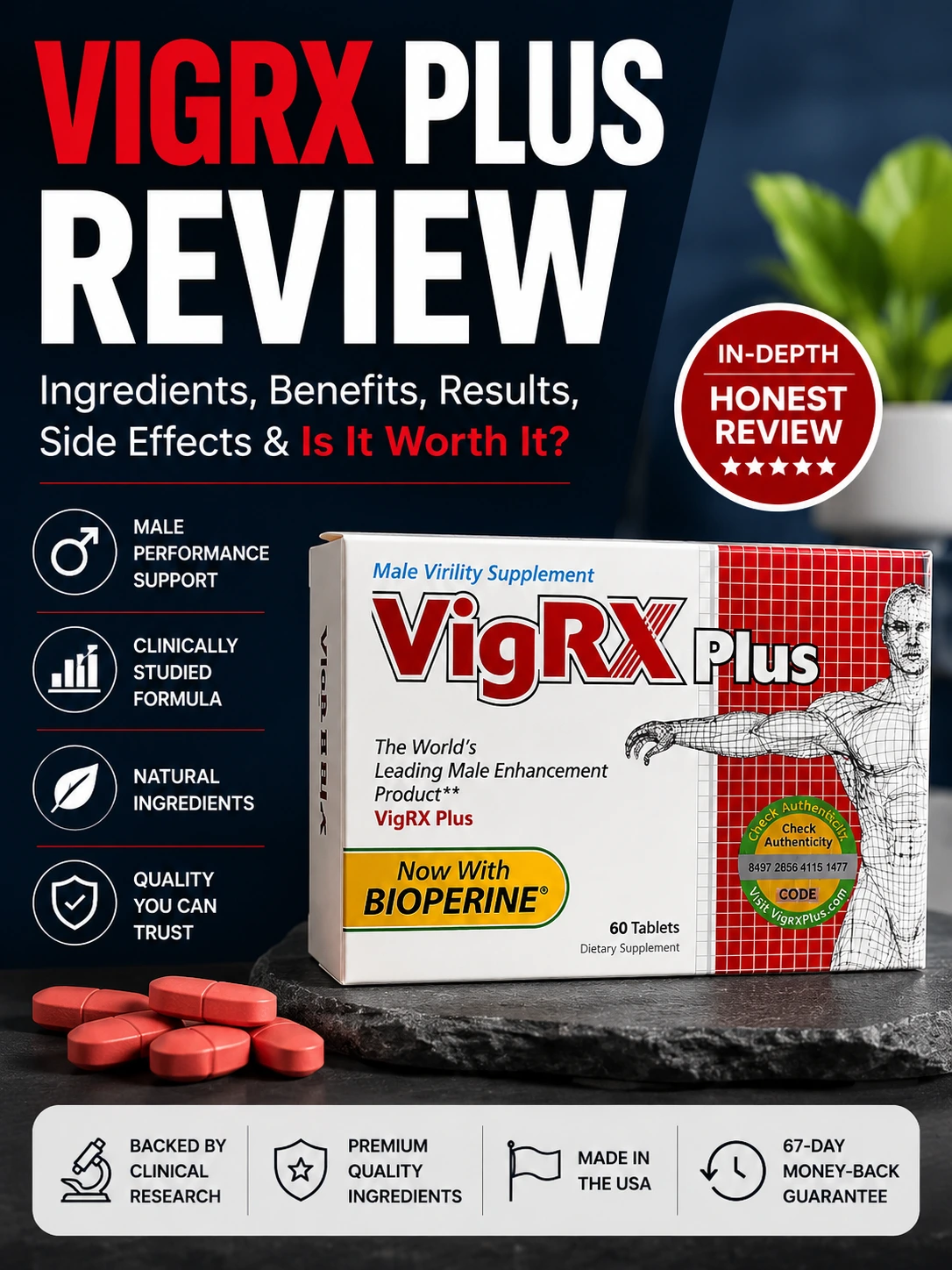
If you are specifically researching VigRX Plus as a supplement for male sexual wellness, you can read our detailed VigRX Plus review, where we examine its formula, available evidence, potential benefits, limitations, and other factors worth considering before buying.
Not Every Supplement Should Be Judged the Same Way
It can be tempting to compare supplements only by their advertising claims. A better approach is to examine what is actually inside the product and what information supports its intended use.
For example, some products focus primarily on ingredients associated with libido or sexual desire. Others may be marketed around blood flow, energy, endurance, or broader male sexual performance.
That distinction matters because a product aimed at one aspect of sexual wellness may not be the best fit for someone whose main concern is different.
This is also why understanding the problem comes before choosing a product.
If your main concern is consistently weaker erections, ask what may be affecting your erectile function before assuming that a general libido supplement will address the issue. Likewise, if your main concern is low sexual desire, a product marketed primarily around circulation may not necessarily address the underlying reason for reduced libido.
When Should You Talk to a Healthcare Professional?
Occasional changes in erection quality can happen for many temporary reasons. However, it is worth seeking professional advice when the problem becomes persistent, worsens over time, or causes significant concern.
You may also want to speak with a healthcare professional if weaker erections occur alongside:
- A major or persistent change in sexual desire.
- Unusual fatigue or other significant changes in energy.
- Symptoms that may suggest changes in cardiovascular or metabolic health.
- New symptoms following a change in medication.
- Persistent anxiety or distress related to sexual performance.
- Other unexplained changes in your general health.
A healthcare professional can help evaluate the wider context and determine whether additional testing or treatment may be appropriate.
This is particularly important because persistent erectile difficulties can sometimes be associated with health issues that are not obvious from sexual symptoms alone.
What Not to Do
If your erections are not as strong as they used to be, frustration can make it easier to make decisions based on urgency rather than information.
Try to avoid:
- Assuming that aging is automatically the only explanation.
- Self-diagnosing low testosterone without appropriate evaluation.
- Stopping prescribed medication without speaking with the prescriber.
- Believing that every “male enhancement” product works the same way.
- Ignoring persistent symptoms because an occasional supplement appears to help temporarily.
- Buying a product solely because it makes the strongest marketing promises.
A more balanced approach is to understand the possible causes, improve the factors within your control, seek appropriate advice when necessary, and evaluate products carefully.
The Most Useful Next Step Depends on the Cause
If your erections are not as strong as they used to be, there is no universal answer that applies to everyone.
Some men may benefit from addressing temporary factors such as poor sleep, stress, fatigue, alcohol use, or reduced physical activity. Others may need to look more closely at cardiovascular health, metabolic factors, medications, hormones, or other medical concerns.
Supplements can be part of the conversation for some people, but they should be evaluated realistically. Understanding the formula, available evidence, safety considerations, and limitations is more useful than assuming that a product will solve every possible cause of weaker erections.
The next step is to bring everything together: how to recognize the difference between an occasional change and a pattern worth investigating, and how to make more informed decisions about supporting your sexual health.
Putting the Pieces Together: Look for Patterns, Not Just One Bad Experience
A weaker erection on one occasion does not necessarily mean that something is seriously wrong. Stress, fatigue, alcohol, poor sleep, distraction, and many other temporary factors can affect sexual response from time to time.
What matters more is the overall pattern.
If erections have gradually become less firm, take longer to develop, or are increasingly difficult to maintain, it may be worth looking at what has changed in your health and daily life. The answer may involve one factor, but for many men, several physical and psychological factors can overlap.
Blood flow, cardiovascular health, metabolic health, stress, anxiety, sleep, medication use, hormones, alcohol, smoking, physical activity, and relationship context can all potentially influence sexual function.
This is why searching for one universal explanation—or one universal solution—can be misleading.
A Practical Checklist If Your Erections Have Changed
If you have noticed that your erections are not as strong as they used to be, consider taking a step back and asking yourself the following questions:
- How long has the change been happening? Did it happen once, occasionally, or consistently over time?
- Did the change begin suddenly or gradually? A sudden change may have a different context from a gradual change over several months or years.
- Has your sleep changed? Poor or inconsistent sleep can affect energy, mood, stress, and sexual well-being.
- Have your stress levels increased? Work, financial pressure, relationship concerns, and performance anxiety can all affect sexual response.
- Has your lifestyle changed? Consider physical activity, alcohol use, smoking, diet, body weight, and general daily habits.
- Have you started or changed any medications? If the timing appears connected, discuss it with the healthcare professional who prescribed the medication.
- Have you noticed other changes? Changes in libido, energy, mood, or general health may provide useful context.
- Do you have known health conditions or risk factors? Cardiovascular and metabolic health can be relevant to erectile function.
You do not need to answer every question perfectly. The purpose is to identify patterns and decide whether there are obvious factors you can address or whether the change deserves professional evaluation.
What Does a Realistic Approach to Improvement Look Like?
A realistic approach to sexual health is usually less dramatic than the promises found in some advertisements.
It may involve improving one or several areas over time: getting better sleep, becoming more physically active, reducing smoking or excessive alcohol use, managing stress, addressing relationship pressure, or seeking medical advice about an underlying health concern.
For some people, progress may come from identifying and addressing a specific cause. For others, improving several aspects of overall health may support better sexual well-being over time.
The important thing is to avoid expecting every solution to produce the same result for every person.
Sexual function is individual, and the factors contributing to weaker erections can also be individual.
If You Are Considering a Supplement, Ask Better Questions
Many men eventually explore supplements when looking for support for sexual performance or male sexual wellness.
Before buying, however, it is worth moving beyond the question, “Does this product work?”
A more useful set of questions might be:
- What exactly is this product designed or marketed to support?
- Does that match my main concern?
- What ingredients are included?
- Are the amounts clearly disclosed?
- What evidence exists for the ingredients or finished formula?
- What are the product’s limitations?
- Are there safety considerations or possible interactions relevant to me?
- Am I using this product instead of investigating a persistent health problem?
These questions can help you make a more informed decision and avoid judging every product based only on testimonials or marketing promises.
If you are researching VigRX Plus specifically, our detailed VigRX Plus review examines its formula, available evidence, potential benefits, limitations, and other factors to consider before making a purchase.
When It May Be Better Not to Wait
Occasional changes in erection quality can happen. However, persistent or worsening changes are worth taking seriously, particularly when they occur alongside other changes in health.
Consider speaking with a qualified healthcare professional if:
- The problem continues over time rather than happening occasionally.
- Erection quality has noticeably worsened.
- You are experiencing a significant change in sexual desire.
- You have concerns about blood pressure, blood sugar, cardiovascular health, or other medical conditions.
- The change began after starting or changing a medication.
- You are experiencing persistent fatigue, mood changes, or other unexplained symptoms.
- The problem is causing significant anxiety or affecting your quality of life or relationship.
Getting professional advice is not an overreaction. It can help identify possible contributing factors and prevent you from relying entirely on trial and error.
Frequently Asked Questions
Why are my erections weaker than they used to be?
Weaker erections can be influenced by many factors, including changes in blood flow, cardiovascular or metabolic health, stress, anxiety, poor sleep, fatigue, medications, alcohol use, smoking, lifestyle habits, hormones, and underlying medical conditions. An occasional weaker erection can be temporary, while persistent changes deserve closer attention.
Is it normal for erections to become weaker with age?
Sexual response can change with age, and some men may need more stimulation or notice changes in erection reliability. However, persistent erectile changes should not automatically be dismissed as an unavoidable part of aging because health, lifestyle, medication, and psychological factors may also contribute.
Can stress cause weaker erections?
Yes. Stress and performance anxiety can interfere with relaxation and sexual arousal, making erections feel less reliable. However, stress is not the only possible cause, and persistent changes should not automatically be assumed to be psychological.
Can poor sleep affect erection quality?
Poor sleep can affect energy, mood, stress levels, and overall health, all of which may influence sexual well-being. If erection changes happen alongside a significant decline in sleep quality, improving sleep may be one factor worth addressing.
Does weak erection mean low testosterone?
Not necessarily. Testosterone is important for male sexual health and can influence libido, but erection quality also depends heavily on blood flow, nerve function, sexual arousal, psychological factors, and overall health. Weaker erections alone cannot confirm low testosterone.
Can exercise help support healthy erectile function?
Regular physical activity supports cardiovascular health, circulation, energy, stress management, and overall well-being. These factors can be relevant to sexual health, although exercise is not a guaranteed or immediate solution for every cause of weaker erections.
Can supplements fix weaker erections?
Supplements should not be viewed as a universal solution. Different products contain different ingredients and may be marketed for different aspects of sexual wellness. If weaker erections are related to an underlying medical condition, medication, or another specific cause, a supplement may not address that root cause.
When should I see a doctor about weaker erections?
It is worth seeking professional advice when erection changes are persistent, worsening, causing significant concern, or occurring alongside other changes in sexual or general health. A healthcare professional can help evaluate possible physical, psychological, medication-related, or other contributing factors.
Final Thoughts
If your erections are not as strong as they used to be, try not to jump immediately to one explanation.
An occasional change can be influenced by temporary factors such as stress, fatigue, poor sleep, or alcohol. But when the change becomes persistent, it may be useful to look at the bigger picture: cardiovascular health, metabolism, medications, hormones, mental well-being, lifestyle, and other aspects of overall health.
The most useful approach is usually to understand the pattern, address the factors within your control, and seek appropriate medical advice when needed.
And if you decide to explore supplements, evaluate them carefully. Look at what they contain, what evidence is available, what they are realistically designed to support, and whether they are appropriate for your individual situation.
Better sexual health decisions begin with understanding the problem—not simply searching for the fastest promise of a solution.